






Understanding Tones in Mandarin Chinese
Mandarin Chinese is a tonal language, which means that the pitch or intonation used when pronouncing a syllable can alter its meaning. There are four main tones in Mandarin, and each tone gives a syllable a different meaning, even if the pronunciation of the consonants and vowels remains the same. Mastering these tones is essential for effective communication and avoiding misunderstandings.
The Four Tones Explained
Each Mandarin syllable is pronounced with one of four tones. Here’s a breakdown of each tone, along with examples using the syllable “ma”:
First Tone: High and Level (¯)
The first tone is high and steady, almost as if you are singing a note. Your voice should remain flat and not change in pitch. In pinyin, it is marked with a macron (¯) above the vowel.
- Example: mā (妈) – means “mother”
- How to pronounce: Start at a high pitch and maintain it evenly.
Second Tone: Rising (´)
The second tone is rising, similar to the intonation used when asking a question in English. In pinyin, it is marked with an acute accent (´).
- Example: má (麻) – means “hemp”
- How to pronounce: Start at a mid pitch and rise to a higher pitch, as if you’re saying “What?”
Third Tone: Falling-Rising (ˇ)
The third tone is a bit more complex. It starts mid, dips down to a lower pitch, and then rises again. It is marked with a caron (ˇ) in pinyin.
- Example: mǎ (马) – means “horse”
- How to pronounce: Start at a mid pitch, drop to a low pitch, then rise again.
Fourth Tone: Falling (`)
The fourth tone is sharp and falling, similar to giving a command. It is marked with a grave accent (`).
- Example: mà (骂) – means “to scold”
- How to pronounce: Start at a high pitch and drop sharply to a lower pitch.
Why Tones Matter in Mandarin Chinese
Mandarin contains many syllables that are pronounced the same way except for the tone. This means that using the wrong tone can completely change the meaning of your words. For example, confusing “mā” (mother) with “mǎ” (horse) can lead to some awkward misunderstandings! That’s why it’s crucial for learners to focus on tone accuracy from the very beginning of their studies.
Tips for Mastering the Four Tones
- Practice with native audio: Listening to and repeating after native speakers is the best way to internalize the correct tones. Talkpal and other language learning apps often include tonal practice exercises.
- Use visual aids: Draw tone marks or use hand gestures to represent the pitch movement of each tone as you practice.
- Record yourself: Use your phone or computer to record your speech and compare it to native pronunciations.
- Practice minimal pairs: Focus on pairs of words that are only differentiated by tone to sharpen your ear and pronunciation.
- Be patient and consistent: Mastery takes time. Regular practice, even for a few minutes a day, will help reinforce the correct tones.
How Talkpal Can Help You Learn Mandarin Tones
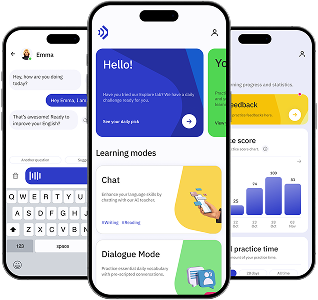
Talkpal offers interactive lessons and AI-powered feedback to help you practice and perfect your Mandarin tones. With real-time corrections and engaging speaking exercises, you can build confidence and accuracy in your pronunciation, making your language learning journey smoother and more enjoyable.
Conclusion
The four tones of Mandarin Chinese are a defining feature of the language and a key challenge for learners. By understanding how each tone works and committing to regular practice, you can overcome this hurdle and communicate clearly. Remember, resources like Talkpal are there to support you every step of the way as you work toward Mandarin fluency. Happy learning!





_icon.svg)
