






Why Bilingualism Matters
Bilingualism offers a wide range of cognitive, cultural, and social benefits. Children who grow up speaking multiple languages often demonstrate stronger problem-solving skills, enhanced creativity, and greater adaptability. When it comes to Māori, maintaining the language is also about preserving heritage, identity, and a sense of belonging. For families in English-dominant settings, raising bilingual children becomes an act of cultural empowerment and revitalization.
Understanding the Challenges
In an environment where English is the primary language for education, media, and social interaction, it can be difficult to give Māori equal footing. Common obstacles include limited access to resources, a lack of fluent speakers in the community, and the tendency for children to default to English, especially as they grow older. Recognizing these challenges is the first step in developing effective strategies for bilingual upbringing.
Strategies for Raising Bilingual Children
1. Establish a Māori Language Routine
Consistency is key when introducing a second language. Designate specific times or activities where only Māori is spoken. For example, you might use Māori during breakfast, bedtime routines, or family outings. The “one parent, one language” approach can also be effective if one caregiver is fluent in Māori.
2. Integrate Māori into Daily Life
Make Māori a natural part of your family’s daily life. Label household items in both languages, use Māori for instructions and praise, and incorporate Māori songs, games, and stories. This immersive approach helps children associate the language with positive experiences and practical use.
3. Leverage Technology and Media
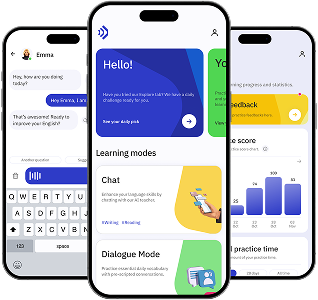
Take advantage of digital resources designed for language learning. The Talkpal AI language learning blog, for instance, offers interactive tools, lessons, and games that make practicing Māori engaging for children. Additionally, Māori-language TV shows, music, and YouTube channels can provide authentic language exposure in an entertaining format.
4. Join Community Initiatives
Look for playgroups, cultural events, or language nests (Kōhanga Reo) in your area. Being part of a community that values and speaks Māori reinforces its importance and creates opportunities for real-life practice. Encourage your children to participate in kapa haka, marae visits, or Māori art classes where the language is used naturally.
5. Collaborate with Schools
Communicate with your child’s teachers about your bilingual goals. Some schools offer Māori language classes or bilingual programs. If these are not available, suggest starting a Māori language club or integrating Māori culture into school events. The more support your child has outside the home, the greater their chances of becoming confident speakers.
6. Make Language Learning Fun
Children learn best when they are having fun. Use games, storytelling, and role-play to practice Māori in a playful context. Apps, puzzles, and board games in Māori are excellent for reinforcing vocabulary and phrases without the pressure of formal study.
Addressing Common Concerns
Many parents worry that learning two languages may confuse their child or delay language development. However, research consistently shows that bilingual children reach language milestones at the same pace as monolingual peers. If your child mixes languages, this is a normal part of bilingual development and will resolve with continued practice and exposure.
Role of Parents and Caregivers
Your attitude towards Māori plays a crucial role in your child’s motivation to learn. Celebrate their achievements, encourage curiosity about Māori culture, and model enthusiasm for language learning. Even if you are not fluent, learning alongside your child demonstrates commitment and fosters a supportive environment.
Useful Resources for Learning Māori
- Talkpal AI Language Learning Blog: Offers expert tips, interactive lessons, and motivational stories about learning Māori as a family.
- Te Whanake: Comprehensive suite of textbooks, online courses, and audio resources for learners at all levels.
- Whakatāne Library Māori Collection: Provides books, music, and DVDs in te reo Māori for children and families.
- Māori Television: Watch children’s programs and documentaries in Māori for authentic listening practice.
- Kupu App: Use your phone to translate everyday objects into Māori and expand vocabulary on the go.
Conclusion
Raising bilingual children in a predominantly English environment is a rewarding journey that strengthens family bonds and ensures the survival of te reo Māori for future generations. With consistency, creativity, and community support, parents can create a nurturing environment where both English and Māori thrive. For more inspiration and practical advice, explore the Talkpal AI language learning blog, your partner in successful bilingual parenting.





