



Why Fast-Paced Vietnamese Is Challenging
Vietnamese is a tonal language with a variety of regional accents and a tendency for native speakers to blend words together, especially in casual conversation. This makes distinguishing individual sounds and words tricky. Additionally, many resources for learners use slowed-down, textbook-style speech, which doesn’t prepare you for the lightning-fast pace of real-life interactions. Recognizing these challenges is the first step to overcoming them.
Effective Strategies for Practicing Vietnamese Listening Comprehension
1. Expose Yourself to Authentic, Fast Speech
Immerse yourself in real Vietnamese as it’s spoken by natives. Here are some recommended sources:
- Vietnamese TV shows and movies: These provide natural dialogue and a variety of accents.
- YouTube channels and podcasts: Seek out content aimed at Vietnamese audiences, not just learners. Some popular options include VTV news segments, comedy skits, and daily vlogs.
- Music and radio: Listening to Vietnamese songs and radio talk shows can tune your ear to different speeds and styles.
2. Use Tools That Simulate Real Conversations
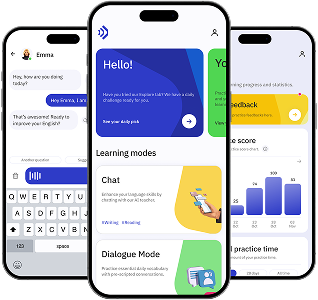
Interactive AI-powered platforms like Talkpal offer listening exercises with natural, fast-paced speech. Unlike traditional resources, these platforms let you adjust playback speed and replay specific sections, making it easier to bridge the gap between slow and fast Vietnamese.
3. Practice Active Listening
Don’t just passively listen. Try these active techniques:
- Shadowing: Listen to a sentence, then immediately repeat it aloud, mimicking the speed and intonation. This helps your brain process rapid speech patterns.
- Transcription: Write down what you hear. Start with short clips, then increase difficulty as your skills improve.
- Dictation exercises: Pause after each sentence and try to write it down word-for-word. This sharpens your attention to detail.
4. Gradually Increase Difficulty
Begin with materials that are slightly above your current level, then move on to more challenging content. For example, start with slower interviews, then progress to unscripted street interviews or comedy sketches where speech is faster and less formal.
5. Focus on High-Frequency Words and Phrases
Native speakers often use contractions, slang, and filler words that can be hard to catch. Make a list of these expressions and practice recognizing them in context. The more familiar you are with common Vietnamese phrases, the easier it will be to keep up with fast conversations.
How Talkpal Can Help You Improve Fast Vietnamese Listening
Talkpal’s AI language learning platform is designed to simulate real-life conversations, including fast-paced Vietnamese speech. You can interact with AI tutors, practice listening comprehension at various speeds, and receive instant feedback. This personalized approach ensures you target your weak spots and make steady progress, all within an engaging and flexible environment.
Additional Tips for Success
- Be patient and persistent: It takes time to adapt your ear to rapid Vietnamese, so don’t get discouraged.
- Combine listening with speaking practice: The more you speak, the better you’ll understand.
- Use Vietnamese subtitles: Watching with Vietnamese subtitles can help you connect spoken and written forms.
- Join language exchange groups: Regular conversations with native speakers are invaluable for real-world listening practice.
Conclusion
Mastering Vietnamese listening comprehension for fast-paced speech is a gradual process that requires the right mix of authentic exposure, interactive practice, and persistence. By leveraging resources like TV shows, podcasts, and language learning platforms such as Talkpal, you’ll find yourself catching more words, understanding more conversations, and enjoying your Vietnamese language journey even more. Start practicing today and experience the difference firsthand!