Immersive, realistic conversations


Why Learn Folklore and Legends Vocabulary in Macedonian?
Folklore and legends are more than just stories; they are a living part of Macedonian identity. Learning specific vocabulary connected to these tales helps you understand idioms, cultural references, and traditional beliefs. It also allows you to participate in conversations about Macedonian customs, festivals, and oral history, making your language learning experience more authentic and enjoyable.
Core Vocabulary Words for Folklore and Legends in Macedonia
Key Terms for Folklore
- фолклор (folklor) – folklore
- легенда (legenda) – legend
- приказна (prikazna) – story or tale
- мит (mit) – myth
- предание (predanie) – oral tradition
- суеверие (sueverie) – superstition
- бајка (bajka) – fairy tale
- народ (narod) – people or nation (often used in the context of folk traditions)
Characters in Macedonian Folklore
- јунак (junak) – hero
- змеј (zmei) – dragon
- самовила (samovila) – fairy or nymph
- волшебник (volshebnik) – magician or wizard
- чудовиште (chudovishte) – monster
- дух (duh) – spirit or ghost
- вештерка (veshterka) – witch
- крал (kral) – king
- принцеза (printseza) – princess
Magical and Supernatural Elements
- волшебство (volshebstvo) – magic
- чаролија (charolija) – spell or enchantment
- амулет (amulet) – amulet or talisman
- проклетство (prokletstvo) – curse
- пророштво (proroshtvo) – prophecy
- тајна (tajna) – secret
Common Themes and Motifs
- добро и зло (dobro i zlo) – good and evil
- чудо (chudo) – miracle or wonder
- судбина (sudbina) – destiny or fate
- испит (ispit) – trial or quest
- победа (pobeda) – victory
- пораз (poraz) – defeat
Famous Macedonian Folklore and Legendary Figures
Learning vocabulary is more effective when you connect it to real examples. Some of the most famous Macedonian legends and folklore include:
- Крали Марко (Krali Marko) – a legendary hero celebrated in epic poetry
- Самовили (Samovili) – mystical fairies believed to inhabit forests and mountains
- Змејови (Zmejovi) – dragons, often depicted as both protectors and adversaries
- Големиот змеј од Охрид (Golemiot zmei od Ohrid) – the great dragon of Ohrid Lake
Tips for Learning Macedonian Folklore Vocabulary
- Read Folk Tales: Find Macedonian folk tales online or in books, and highlight the new vocabulary as you read.
- Watch Folklore Performances: Traditional music and dance often tell stories from folklore, helping you hear the words in context.
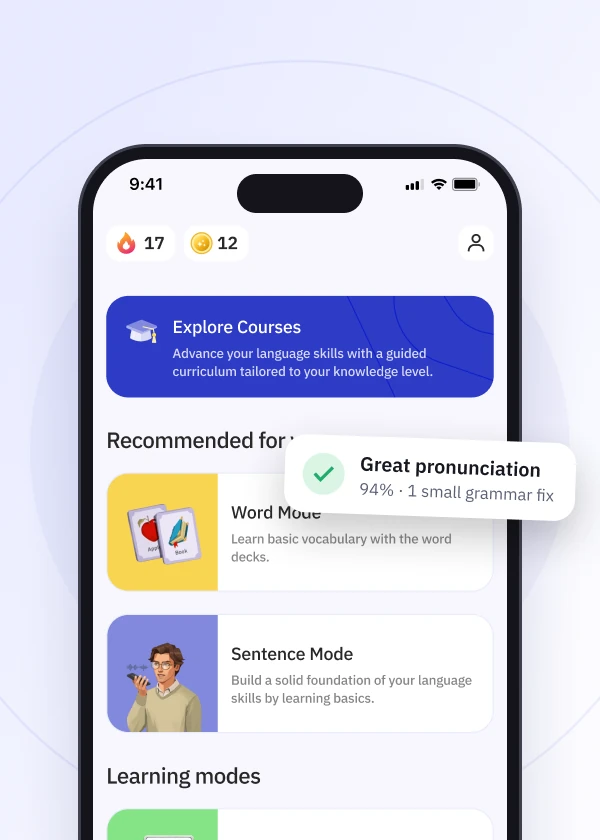
- Practice with Talkpal: Use language learning platforms like Talkpal to practice these words in conversation, quizzes, and interactive lessons.
- Create Flashcards: Make flashcards for each new word, including the Macedonian term, pronunciation, and English meaning.
- Join Language Groups: Engage with other learners or native speakers to discuss Macedonian legends and share stories.
Conclusion
Mastering the vocabulary of folklore and legends opens up a captivating world within the Macedonian language. By learning these terms, you’ll not only boost your vocabulary but also gain insight into the stories and beliefs that have shaped Macedonian culture for generations. Make sure to incorporate these words into your language learning routine with Talkpal and immerse yourself in the enchanting tales of Macedonia. Happy learning and storytelling!