Immersive, realistic conversations



How to Say “I Am Learning Uzbek” in Uzbek
The phrase “I am learning Uzbek” in Uzbek is:
Men o‘zbek tilini o‘rganyapman
Let’s break this phrase down:
- Men – “I”
- o‘zbek tili – “Uzbek language”
- ni – a grammatical marker used to indicate the object of the verb (in this case, the language being learned)
- o‘rganyapman – “am learning”
So, when you put it all together, “Men o‘zbek tilini o‘rganyapman” literally means “I am learning the Uzbek language.”
Pronunciation Tips
Pronouncing Uzbek words correctly can be a challenge if you are new to Turkic languages. Here’s a simplified pronunciation guide:
- Men – pronounced like “men” in English
- o‘zbek – “uz-bek”, with the “o‘” pronounced like the “u” in “put”
- tilini – “tee-lee-nee”
- o‘rganyapman – “ur-gan-yap-man”, with the “o‘” as above
Practice saying the phrase slowly at first, and then gradually increase your speed as you become more comfortable.
Why Learn to Say This Phrase?
Communicating that you are learning Uzbek is essential for a number of reasons:
- Builds Rapport: Telling someone you are learning their language often leads to encouragement and helpful conversations.
- Invites Correction: Native speakers are more likely to gently correct your mistakes if they know you are a learner.
- Opens Doors: It can lead to cultural exchanges and friendships as people appreciate your effort.
Variations and Related Phrases
You might want to use different variations depending on the context:
- Men o‘zbekcha o‘rganyapman – “I am learning Uzbek (language)”, where “o‘zbekcha” is another way to say “Uzbek” in an informal sense.
- Men yangi so‘zlarni o‘rganyapman – “I am learning new words.”
- Men o‘zbek tilini o‘rganishni boshladim – “I have started learning Uzbek.”
Tips for Learning Uzbek Effectively
Here are a few strategies to accelerate your progress in learning Uzbek:
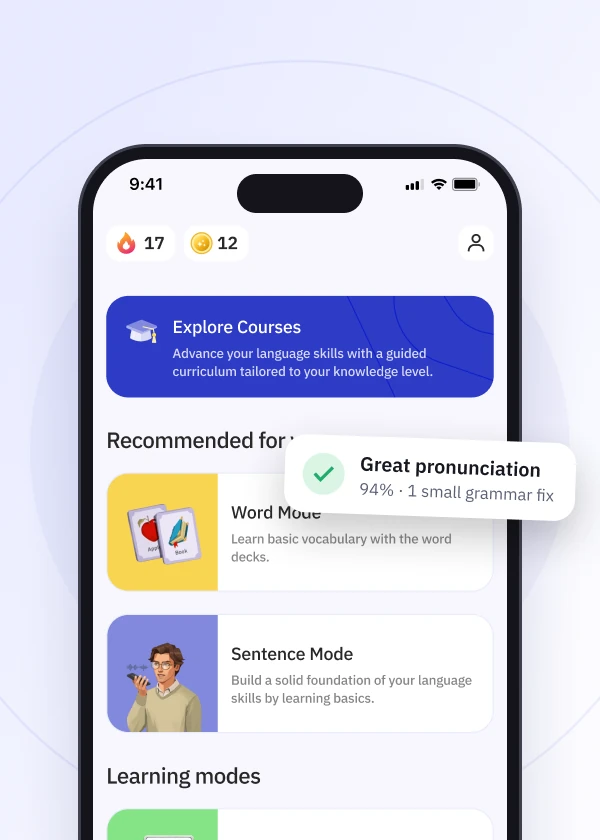
- Use Language Learning Apps: Platforms like Talkpal use AI technology to create interactive and personalized Uzbek lessons.
- Practice Speaking: Try to use the phrase “Men o‘zbek tilini o‘rganyapman” in real conversations or language exchanges.
- Immerse Yourself: Listen to Uzbek music, watch Uzbek movies, or follow Uzbek social media pages to get familiar with the language.
- Consistent Practice: Dedicate a few minutes each day to learning new vocabulary, grammar, or pronunciation.
- Find a Language Partner: Connect with native speakers online or locally for regular practice.
Common Questions About Learning Uzbek
Is Uzbek difficult to learn?
Uzbek is a Turkic language and may have different grammar and vocabulary from Indo-European languages, but with dedication and modern resources, it is accessible to most learners.
What script is used for Uzbek?
Uzbek is written using the Latin alphabet in Uzbekistan, but you may also encounter Cyrillic and even Arabic scripts in different contexts. Most modern resources use Latin script.
How important is pronunciation?
Pronunciation helps you be understood and is essential for effective communication. Practice regularly with audio resources and, if possible, with native speakers.
Conclusion
Knowing how to say “I am learning Uzbek” in Uzbek—Men o‘zbek tilini o‘rganyapman—is a useful and motivating first step on your language journey. By using this phrase, you show respect for the culture and a genuine interest in communication. Remember, consistency and practice are key, and with the help of innovative resources like Talkpal, you can make your Uzbek learning experience both enjoyable and effective. Good luck, or as they say in Uzbek, “Omad tilayman!”