

Learning English in Bitlis provides unique opportunities and challenges. Bitlis, a province in eastern Turkey, is rich in history and culture, which significantly influences the educational methods and availability of resources for language learning. The presence of historical landmarks and a predominantly Kurdish-speaking population creates a dynamic backdrop for learning English in this region.
Cultural Heritage: The rich cultural heritage can be both a motivator and a barrier. While the historical context of Bitlis can stimulate interest in global languages for cultural and historical research, the limited use of English in daily life can reduce exposure and practical usage.
Education System: The local education system’s focus on Turkish and Kurdish languages might mean fewer resources are directed towards English language education, necessitating alternative learning platforms or institutions for thorough English education.
Importance of Learning English in Bitlis
English is not just a language but a global lingua franca that opens numerous doors for personal, educational, and professional development. In Bitlis, learning English can significantly impact several aspects of life.
Educational Opportunities: Proficiency in English allows students from Bitlis to access higher education opportunities abroad or in international programs within Turkey.
Job Market Accessibility: Many global businesses operate in and around Turkey, and proficiency in English significantly enhances job prospects in these companies.
Economic Development: For a city like Bitlis, which is developing its tourism sector, residents proficient in English can better engage with tourists, thereby boosting local business and the economy.
Social Integration: As the world becomes increasingly interconnected, English serves as a crucial tool for social integration and cultural exchange.
Challenges in Learning English in Bitlis
Despite its importance, several challenges hinder the effective learning of English in Bitlis.
Limited Resources: There may be a lack of qualified English teachers and teaching materials in schools. The focus of education might be more on native languages rather than English.
Reduced Exposure: In a region where English is not widely spoken, students have limited opportunities to practice English outside the classroom, which is essential for language acquisition.
Economic Factors: Economic constraints can restrict access to quality English education, which often comes at a higher cost, such as private tutoring or language courses.
Technological Access: Limited access to digital learning tools and internet connectivity can also pose significant barriers to learning English in more remote areas of Bitlis.
English Language Programs in Bitlis
Several programs aim to promote English language learning in Bitlis. These range from public school curriculums to private language academies, and online platforms.
Public Schools: English is part of the curriculum in many schools, but the level of proficiency achieved can vary significantly.
Private Language Institutes: These institutions often provide more intensive English learning programs with a focus on practical usage and conversation skills.
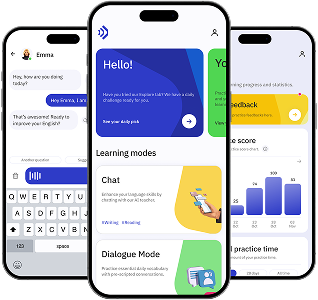
Online Learning Platforms: Websites and apps offer flexible learning options for people in Bitlis, accommodating different levels and learning paces.
Community Groups: Informal learning through conversation clubs or language exchange meetups can be particularly effective in building conversational skills.
Strategies to Enhance English Learning in Bitlis
To overcome challenges and improve English learning outcomes in Bitlis, several strategies can be implemented.
Integration of Language Technologies: Utilizing language learning apps and online resources can supplement traditional learning methods and provide interactive and engaging ways to learn English.
Teacher Training: Enhancing the skills and methodologies of English teachers in Bitlis through continuous professional development can raise the standard of teaching.
Community Engagement: Encouraging local communities to participate in language learning through workshops or English-speaking days can increase practical usage.
Government and NGO Initiatives: Support from local government and non-governmental organizations can help fund and establish more extensive English learning programs and resources.
Partnerships with Universities: Collaborations with universities that have strong English departments can provide resources, teacher training, and perhaps even direct teaching support.
Conclusion
Learning English in Bitlis presents unique challenges that stem from its geographical, economic, and cultural context. However, the strategic implementation of educational programs, utilization of technology, and community involvement can significantly enhance the effectiveness of English education in this region. As global communication continues to grow in importance, investing in English education will not only benefit individuals but also contribute to the broader socio-economic development of Bitlis.