



Why Greek Verb Endings Matter
Greek verbs are highly inflected, meaning their endings change based on tense (present, past, future), mood (indicative, subjunctive, imperative), voice (active, middle, passive), person, and number. This complexity can seem intimidating at first, but it also provides the flexibility and nuance that make Greek expressive and precise. Mastering verb endings is essential for accurate communication and comprehension in both spoken and written Greek.
Understanding the Basics: Regular and Irregular Verbs
Start your journey by distinguishing between regular and irregular verbs. Regular verbs follow predictable patterns, making them easier to learn and practice. Irregular verbs, however, deviate from these patterns and require more memorization. Focusing on high-frequency regular verbs first can build your confidence before tackling the more challenging irregular forms.
Common Regular Verb Patterns
Greek verbs are usually categorized by their endings in the present tense, such as -ω, -ώ, -άω, and -ώ. Learning these patterns helps you conjugate a large number of verbs quickly. For example, the verb λύνω (to solve) follows a regular -ω pattern:
- Εγώ λύνω (I solve)
- Εσύ λύνεις (You solve)
- Αυτός/Αυτή λύνει (He/She solves)
- Εμείς λύνουμε (We solve)
- Εσείς λύνετε (You all solve)
- Αυτοί λύνουν(ε) (They solve)
Effective Techniques to Learn Greek Verb Endings
1. Use Verb Conjugation Tables
Verb tables offer a visual overview of endings across different tenses and moods. Print out or bookmark tables for common verbs and refer to them regularly. Writing the tables out by hand can also reinforce memory through active recall.
2. Practice with Spaced Repetition Systems (SRS)
Digital flashcard tools, such as Anki or those available through Talkpal, utilize spaced repetition algorithms to help you remember verb endings more efficiently. SRS ensures that you review verb forms right before you’re likely to forget them, optimizing long-term retention.
3. Contextual Learning Through Sentences
Rather than memorizing endings in isolation, see them in context. Practice by reading and listening to Greek sentences, noting how the verb endings change according to the subject and tense. Try making your own sentences to reinforce the rules and patterns you observe.
4. Regular Speaking and Writing Practice
Active usage cements knowledge. Join language exchange groups, participate in online forums, or use AI-powered conversation partners like those on Talkpal. Writing short paragraphs or diary entries using different verb forms can also help you internalize the endings.
5. Mnemonic Devices and Songs
Creating mnemonics or catchy songs for verb endings can make them easier to remember. Many learners find that rhythm and melody help with memorization, so don’t hesitate to get creative with your learning techniques.
Leveraging Technology for Greek Verb Mastery
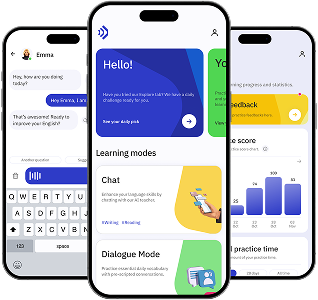
Modern language learning platforms, such as Talkpal, offer interactive exercises, instant feedback, and personalized practice tailored to your current level. These AI-driven tools can simulate real-life conversations and adapt to your progress, making verb practice engaging and effective. Mobile apps can also send daily reminders to keep your practice consistent.
Tips for Staying Motivated
- Set small, achievable goals, such as mastering one tense each week.
- Celebrate your progress, no matter how minor.
- Connect with other learners through online communities or social media for support and accountability.
- Use Greek media, such as music, podcasts, or TV shows, to reinforce exposure to different verb forms in a fun way.
Conclusion
Mastering Greek verb endings is a fundamental step toward fluency. By combining traditional study methods with innovative tools like Talkpal, you can make the learning process more efficient and enjoyable. Remember to practice regularly, stay patient, and immerse yourself in the language as much as possible. With persistence and the right resources, you’ll soon find Greek verb endings becoming second nature.