



Understanding Japanese Pronunciation
The Basics of Japanese Sounds
Japanese phonetics are characterized by a relatively small set of vowel and consonant sounds. The language consists of five pure vowels: a, i, u, e, o. Each is pronounced clearly and does not change, unlike in English. Consonants in Japanese are also limited and tend to be softer.
Common Pronunciation Challenges
Many learners struggle with sounds that do not exist in their native language. Some examples include:
- The Japanese r sound, which is a mix between the English r and l.
- Double consonants, known as gemination (e.g., in kitta vs. kita).
- Proper vowel length, as short and long vowels can change word meaning (obasan vs. obaasan).
What is Japanese Pitch Accent?
Japanese is a pitch-accent language, which means that the meaning of a word can change based on the pitch pattern. Unlike stress-accent languages like English, Japanese uses high and low pitches within words to differentiate them.
Why Pitch Accent Matters
Incorrect pitch accent can sometimes cause misunderstandings. For example:
- Hashi (橋 – bridge, high-low) vs. hashi (箸 – chopsticks, low-high)
Even if context helps, proper pitch accent makes your Japanese sound much more natural.
Effective Strategies to Improve Pronunciation and Pitch Accent
1. Listen Actively to Native Speakers
Exposure to native speech is essential. Listen to Japanese media such as podcasts, TV shows, YouTube channels, or language learning platforms like Talkpal. Focus on mimicking the rhythm, intonation, and pitch patterns you hear.
2. Practice with Shadowing
Shadowing involves listening to a native audio clip and repeating it immediately, trying to match the pronunciation, speed, and pitch accent as closely as possible. This method is highly effective for internalizing natural speech patterns.
3. Record Yourself
Recording your voice and comparing it to native speakers can reveal subtle mistakes in pronunciation and pitch. Many language learners find this technique invaluable for self-correction and progress tracking.
4. Use Pronunciation and Pitch Accent Tools
There are several resources designed to help with Japanese pronunciation and pitch accent:
- OJAD (Online Japanese Accent Dictionary): Shows pitch accent patterns for words and phrases.
- Forvo: Provides native speaker recordings of Japanese words.
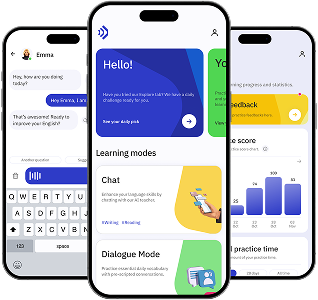
- Talkpal AI: Offers AI-powered conversation practice with feedback on pronunciation and pitch accent, making it easy to practice anytime.
5. Work with a Tutor or Language Exchange Partner
Native Japanese speakers can provide immediate feedback on your pronunciation and pitch accent. Consider online tutoring platforms or language exchange apps to find a partner or tutor.
6. Learn the Rules and Patterns
While there are exceptions, many words in Japanese follow predictable pitch accent patterns. Study common rules and practice with vocabulary lists that include pitch accent information.
7. Break Down Words and Sentences
Practice breaking words and sentences into syllables, paying attention to where the pitch rises or falls. This will help you develop an ear for pitch changes and improve your overall speaking ability.
Common Mistakes and How to Avoid Them
- Ignoring pitch accent: Many learners focus only on pronunciation and neglect pitch, leading to unnatural speech.
- Overemphasizing intonation: Japanese is flatter than English. Avoid adding unnecessary intonation or stress.
- Not practicing consistently: Like any skill, regular practice is key. Even 10-15 minutes a day makes a significant difference.
Resources for Further Practice
- Talkpal AI: Practice speaking with AI, get feedback, and improve your pitch accent in real time.
- NHK World Easy Japanese: Listen to slow, clear Japanese with transcripts.
- JapanesePod101: Offers lessons with detailed pronunciation guides.
- Shadowing Books: Look for dedicated shadowing resources for Japanese learners.
Conclusion
Improving your Japanese pronunciation and pitch accent takes time, patience, and consistent practice. By listening actively, using specialized tools, and seeking feedback, you can make steady progress. Remember, even small improvements make a big difference in how natural and confident you sound. Platforms like Talkpal can provide personalized, AI-powered practice to accelerate your journey toward native-like Japanese. Keep practicing, and enjoy the process of mastering this beautiful language!