





Why Does Gender Matter in French?
In French, noun gender is fundamental because it determines the form of articles, adjectives, and some verb agreements. For example, “le livre” (the book) is masculine, while “la table” (the table) is feminine. Using the wrong gender can lead to confusion or make your speech sound unnatural. Mastering noun gender is therefore key to speaking and writing correctly in French.
General Rules to Identify Masculine and Feminine Words
While there are exceptions, many French nouns follow patterns that can help you determine their gender. Here are some of the most reliable guidelines:
Masculine Nouns
- Nouns ending in -age (except la plage, la cage, la page, and a few others): le fromage (cheese), le garage (garage)
- Nouns ending in -ment: le gouvernement (government), le monument (monument)
- Nouns ending in -eau: le bateau (boat), le chapeau (hat)
- Nouns ending in -isme: le tourisme (tourism), le réalisme (realism)
- Names of languages: le français (French), l’anglais (English)
- Most nouns referring to males: le garçon (boy), le roi (king)
Feminine Nouns
- Nouns ending in -tion or -sion: la nation (nation), la décision (decision)
- Nouns ending in -té: la liberté (freedom), la beauté (beauty)
- Nouns ending in -ure: la voiture (car), la culture (culture)
- Nouns ending in -ence or -ance: la science (science), la chance (luck)
- Most nouns referring to females: la fille (girl), la reine (queen)
Common Exceptions to Watch Out For
No set of rules in French is without exceptions. Some nouns defy the patterns, so it’s important to watch for these:
- La plage (beach) is feminine, though it ends in -age
- Le silence (silence) is masculine, despite ending in -ence
- Le problème (problem) is masculine, though many -ème endings are masculine
Whenever you learn a new noun, it’s a good idea to memorize its gender along with the word itself.
Tips for Remembering French Noun Genders
1. Learn Nouns with Their Articles
Always learn new vocabulary with the definite or indefinite article: le or un for masculine, la or une for feminine. For example, instead of memorizing “livre,” learn “le livre.”
2. Use Color Coding
When making flashcards or notes, use one color for masculine nouns and another for feminine. This visual cue can help reinforce the gender in your memory.
3. Spot Patterns and Group Nouns
Group nouns by their endings or themes to identify patterns. For instance, collect all -tion nouns together to see the feminine trend.
4. Practice with Real-Life Context
Listening, reading, and speaking in real-life contexts—such as using interactive tools like Talkpal—can help you internalize noun genders naturally.
How Talkpal Can Help You Master French Genders
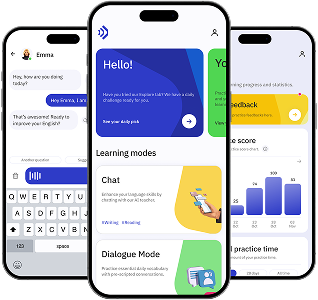
At Talkpal, we understand that mastering noun gender is a major milestone in learning French. Our AI-driven platform offers personalized exercises, context-based learning, and instant feedback, helping you spot gender patterns and remember them with ease. Whether you’re a beginner or looking to polish your skills, Talkpal adapts to your learning style, making French grammar less intimidating and more enjoyable.
Conclusion
Knowing whether a French word is masculine or feminine is an essential skill for every French learner. By recognizing common endings, learning nouns with their articles, and practicing regularly, you can gradually build confidence in this area. Remember, persistence and exposure are key—so keep practicing, and let innovative tools like Talkpal support you on your journey to French fluency!





