





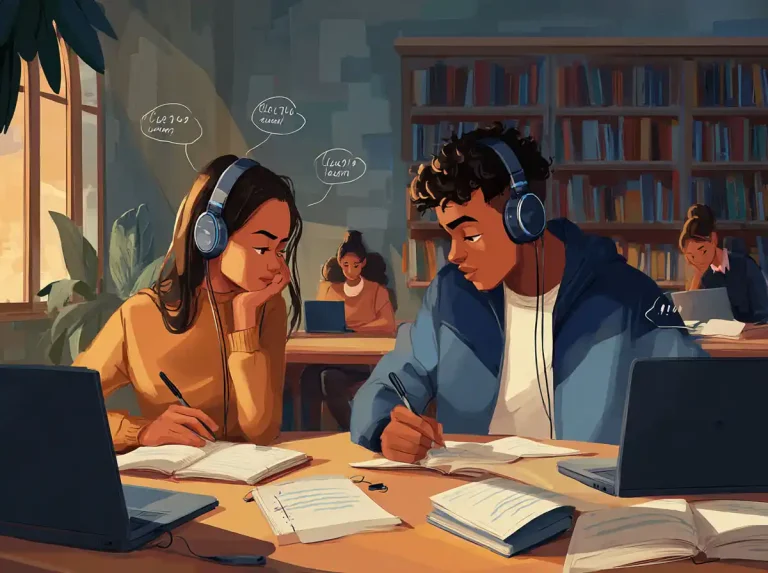

Understanding ChatGPT Voice Conversation and Its Role in Language Learning
ChatGPT voice conversation combines the powerful capabilities of OpenAI’s language model with voice recognition and speech synthesis technologies. This synergy allows users to engage in natural, fluid conversations with an AI, mimicking human-to-human interactions. For language learners, this translates into a practical, accessible way to practice speaking without needing a live partner.
What Is ChatGPT Voice Conversation?
- AI-Powered Interaction: ChatGPT uses deep learning models to understand and generate human-like language responses.
- Voice Integration: Unlike traditional text-based chatbots, chatgpt voice conversation allows users to speak and listen, making the interaction more lifelike.
- Real-Time Communication: Conversations happen instantly, providing immediate feedback and dynamic dialogue flow.
By incorporating voice capabilities, ChatGPT transforms passive reading or writing exercises into active speaking and listening practice, which is essential for language mastery.
Why ChatGPT Voice Conversation Enhances Language Learning
Utilizing chatgpt voice conversation in language learning offers numerous benefits that traditional methods often lack. Here are the key advantages:
1. Interactive Speaking Practice Anytime, Anywhere
One of the biggest challenges for language learners is finding conversation partners. ChatGPT voice conversation eliminates this barrier by providing an AI interlocutor available 24/7. Learners can:
- Practice pronunciation and intonation without judgment.
- Engage in dialogue tailored to their skill level.
- Receive instant responses, promoting a natural conversational rhythm.
2. Personalized Learning Experience
ChatGPT can adapt its responses based on the user’s proficiency and topics of interest. This personalization ensures that conversations remain relevant and challenging enough to promote growth without causing frustration.
3. Enhanced Listening Skills
Listening to AI-generated speech helps learners attune their ears to native-like pronunciation and diverse accents. This exposure is crucial for developing comprehension skills in real-world scenarios.
4. Immediate Feedback and Error Correction
Some advanced chatgpt voice conversation implementations can detect pronunciation errors or unnatural phrasing and provide corrective suggestions, enabling learners to improve continuously.
How Talkpal Leverages ChatGPT Voice Conversation for Effective Learning
Talkpal is an innovative language learning platform that harnesses chatgpt voice conversation to create an immersive, interactive environment. Here’s how it maximizes the potential of this technology:
AI-Driven Conversational Tutors
Talkpal uses AI tutors powered by ChatGPT to simulate realistic conversations on a variety of topics. These tutors can:
- Engage learners in daily dialogues to build fluency.
- Adjust difficulty levels as the learner progresses.
- Introduce cultural nuances and idiomatic expressions for contextual learning.
Multi-Modal Learning Features
In addition to voice conversations, Talkpal integrates visual aids, text transcripts, and vocabulary highlights. This multi-sensory approach caters to different learning styles and reinforces retention.
Gamification and Progress Tracking
To keep learners motivated, Talkpal incorporates gamified elements such as achievements, leaderboards, and daily challenges. It also tracks performance metrics, enabling learners to monitor improvements in their chatgpt voice conversation skills over time.
Optimizing Your Practice with ChatGPT Voice Conversation on Talkpal
To get the most out of chatgpt voice conversation features on Talkpal, consider the following strategies:
Set Clear Language Goals
- Define whether your focus is on conversational fluency, pronunciation, or comprehension.
- Choose conversation topics aligned with your objectives for targeted practice.
Practice Regularly and Consistently
- Engage in daily voice conversations to develop muscle memory and confidence.
- Use Talkpal’s reminders and streak features to maintain a steady learning routine.
Record and Review Your Conversations
- Listen to your recorded sessions to identify areas for improvement.
- Compare your pronunciation with the AI tutor’s to fine-tune your accent.
Utilize Feedback Features
- Pay attention to AI-generated corrections or suggestions.
- Incorporate the recommended adjustments in subsequent conversations.
Future Trends in ChatGPT Voice Conversation and Language Learning
The integration of AI voice conversation technology in language education is rapidly advancing, with exciting trends on the horizon:
1. More Natural and Emotional AI Interactions
Future chatgpt voice conversations will likely feature enhanced emotional intelligence, enabling AI to detect and respond to learners’ moods and engagement levels, creating even more human-like interactions.
2. Multilingual and Cross-Cultural Conversational Practice
AI tutors will support a broader range of languages and dialects, allowing learners to practice multiple languages and understand cultural contexts simultaneously.
3. Integration with Virtual and Augmented Reality
Combining chatgpt voice conversation with VR/AR will offer immersive environments where learners can practice language skills in simulated real-world situations, such as ordering food in a restaurant or negotiating in a marketplace.
Conclusion
ChatGPT voice conversation represents a transformative leap in language learning technology, providing learners with accessible, interactive, and personalized speaking practice. Platforms like Talkpal effectively harness this innovation to create engaging learning experiences that accelerate fluency and confidence. By incorporating chatgpt voice conversation into your language study routine, you can enjoy continuous, real-time conversational practice that adapts to your needs and helps you reach your language goals faster. As AI technology evolves, the future of language learning looks more dynamic and promising than ever.





_icon.svg)
