Explore Portuguese Language Culture With Talkpal

Portuguese Culture

The Portuguese language is much more than a means of communication; it is a living reflection of shared values, social norms, and collective identity among its speakers. This page explores the nuanced culture found within the Portuguese language itself—beyond geographical borders or national customs. Everyday interactions are characterized by warmth and expressiveness, and language is intricately woven with traditions of politeness, indirectness, and subtlety. From the gentle “desculpe” (excuse me) to layered idioms and proverbs, Portuguese speakers employ diverse expressions that reveal underlying attitudes toward respect, humility, and social harmony.

Humor is often witty, ironic, and steeped in wordplay, while conversation is typically carried out with attentiveness to both explicit and implicit meanings. Unique communication norms, such as the value placed on harmonious group dynamics, are embedded in how one greets, agrees, or disagrees. Learning these features helps language learners go beyond grammar and vocabulary, allowing them to interpret nuance, connect more authentically with people, and communicate with cultural awareness.

In this section, we focus on the cultural aspects of the Portuguese language—the speech habits, idioms, conversation styles, and shared customs that define how Portuguese is lived and experienced, regardless of region or nationality. Understanding these elements invites learners to fully embrace the richness of the Portuguese language and engage with its speakers on a deeper level.


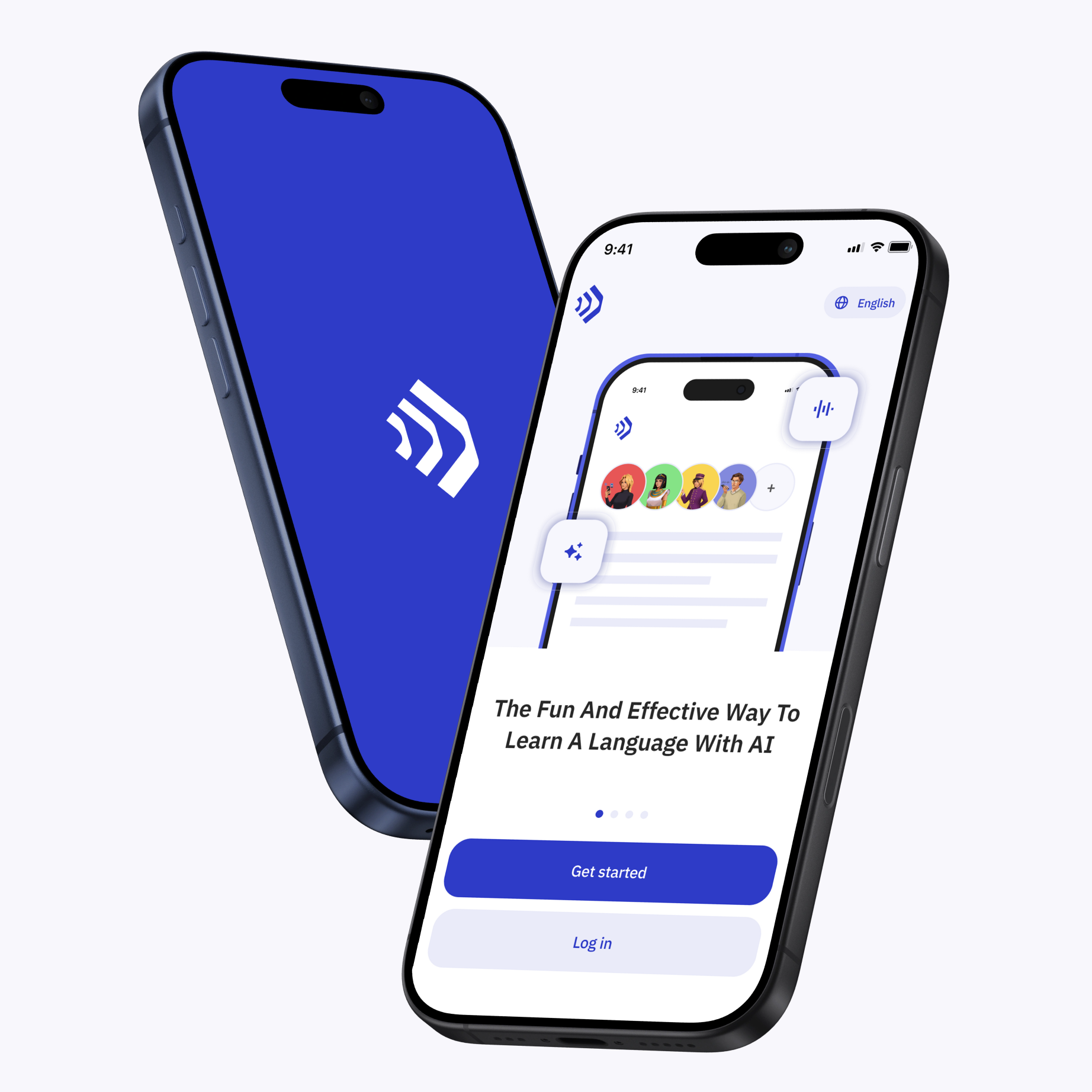
The fun and effective way to learn a language with AI

Try Talkpal for free
Students sit at desks with laptops and stacks of books while learning languages in a busy office environment.

What is the most difficult aspect of Portuguese grammar?

Four people sit at a table with laptops while learning languages in a dimly lit library.

What is the difference between aqui, aí, and ali?

Two rows of students use computer monitors for learning languages in a large, multi-level library.

What is the conditional tense and when is it used?

A group of students writes in notebooks while learning languages in a library.

How is the pluperfect tense formed in Portuguese?

A bearded man writes in a large book for the purpose of learning languages at a messy desk.

What are the most common mistakes English speakers make in Portuguese?

A girl with glasses writes in her notebook while learning languages in a library at sunset.

How do I learn Portuguese through music?

A woman with glasses focuses on a laptop screen while learning languages at a busy desk.

What are the best books for learning Portuguese grammar?

Several students sit outside a university building with laptops and headphones while learning languages.

How do I transition from Spanish to Portuguese without mixing them?

People sit at individual desks in a quiet, dimly lit library dedicated to learning languages.

Is it rude to speak Spanish in Portugal?

Focused students use laptops under desk lamps for learning languages in a dark library filled with bookshelves.

Why is Portuñol considered bad practice?

Download talkpal app

Learn anywhere anytime

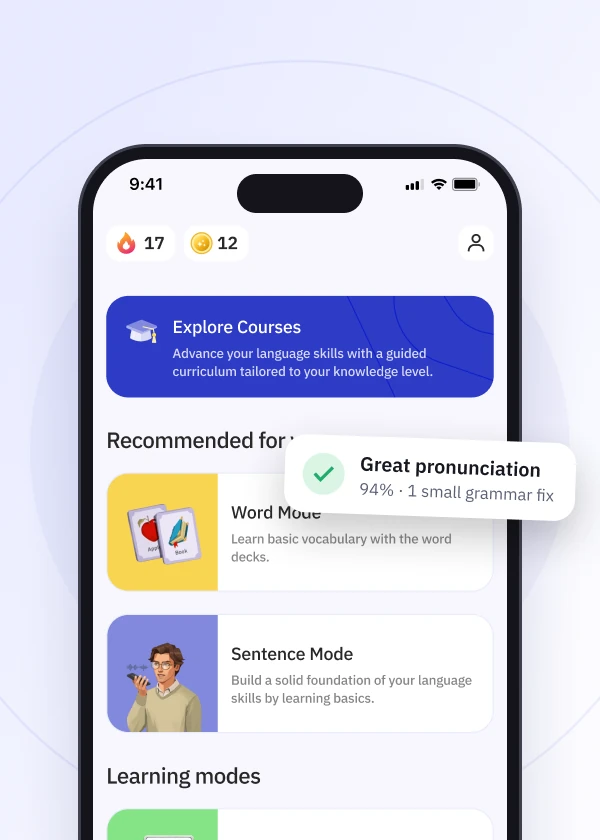
Talkpal is an AI-powered language tutor available on web and mobile platforms. Accelerate your language fluency, chat about interesting topics by writing or speaking, and receive realistic voice messages wherever and whenever you want.

Talkpal app The fun and effective way to learn a language with AI

Scan with your device to download on iOS or Android

Talkpal app The fun and effective way to learn a language with AI

Get in touch with us

We are always here if you have any questions or require assistance. Contact our customer support anytime at support@talkpal.ai

Languages

Learning

Partnerships

Company


Talkpal, Inc., 2810 N Church St, PMB 54222, Wilmington, Delaware 19802, US

© 2026 All Rights Reserved.

GDPR compliant

Trustpilot