Explore German Language Culture With Talkpal

German Culture

Welcome to “German Language Culture,” a dedicated exploration of the unique cultural aspects embedded within the German language itself. Beyond grammar and vocabulary, German reflects a deep-rooted set of values, social norms, and shared customs that shape everyday interactions among speakers. This section delves into how the German language expresses politeness, humor, and formality, conveying subtle meanings and social hierarchies through word choice, expressions, and even conversation structure.

German social interaction often balances directness with respect: the distinction between “Sie” and “du,” for example, is more than a grammatical rule—it communicates relationships and mutual expectations. Traditional idioms, proverbs, and set phrases reveal a long-standing appreciation for clarity, wit, and sometimes dry humor. From the succinctness in greetings to the use of understatement or playful irony, the way Germans speak illustrates the culture’s approach to honesty, efficiency, and community.

For learners, understanding these cultural facets can transform their experience, building not only linguistic competence but also awareness of the unspoken rules and values shared among German speakers. By grasping the culture within the language—how jokes are told, agreements are made, or respect is shown—one steps beyond mere translation and enters the authentic world of German communication.


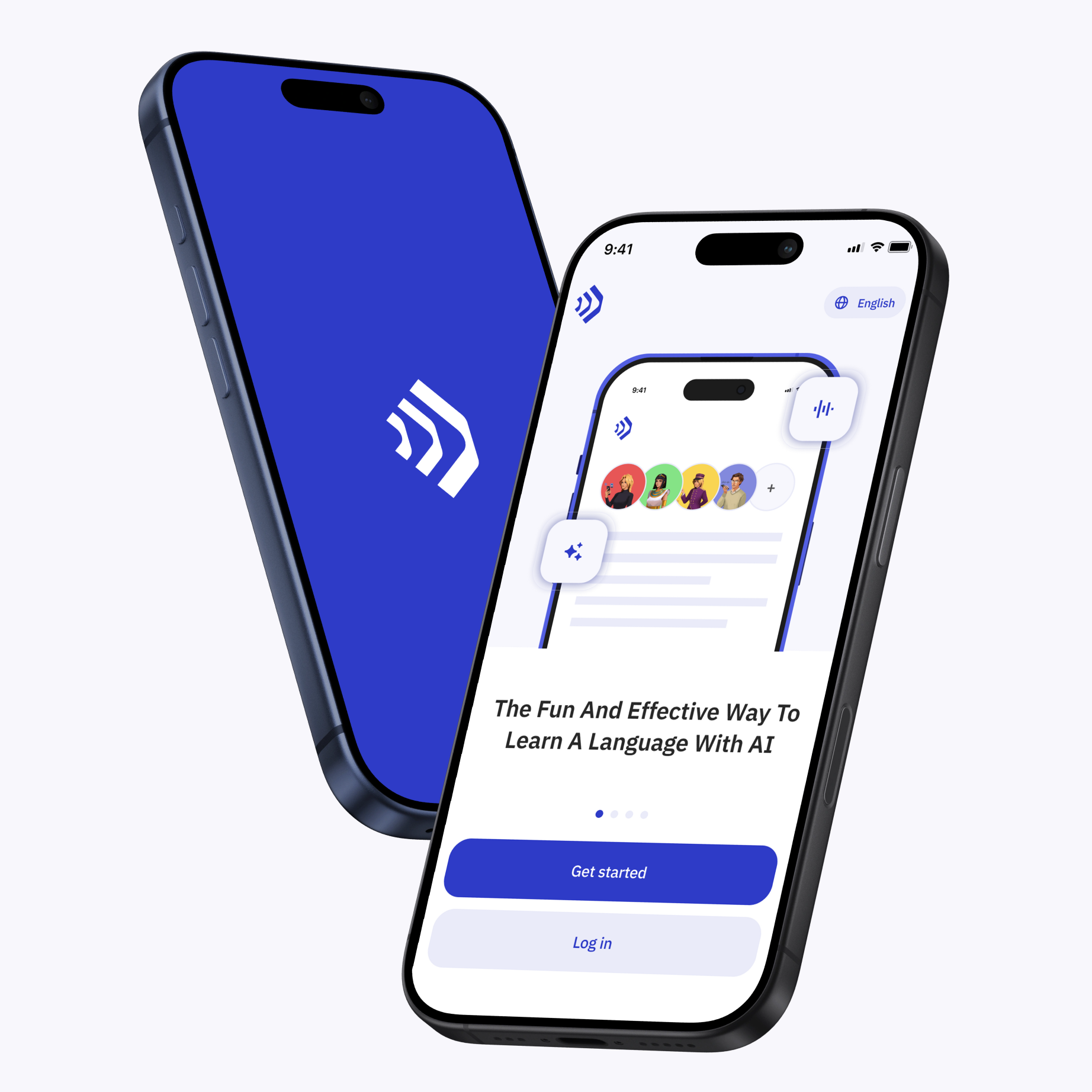
The fun and effective way to learn a language with AI

Try Talkpal for free
Two students sit at a library desk reading open books while learning languages in the evening sun.

What are the rules for compound words in German?

A wooden table with an open book and coffee serves as a space for learning languages.

How do I wish someone a happy birthday in German?

Two friends with curly hair review an open workbook while learning languages together.

How do I use relative clauses in German?

A close-knit group of students studies books and digital notes for learning languages at a library table.

What is the difference between um zu and damit?

A group of five students look at printed pages while learning languages in a quiet library at night.

What are the most important German phrases for tourists?

A person wearing headphones uses a laptop for learning languages in a modern coworking space.

How do I pronounce the ch sound in German?

A man and a woman sit at a library desk while learning languages using a laptop and notebooks.

What is the plural form of common German nouns?

A young man in a hoodie focuses on a laptop screen while learning languages in a library.

Why are all nouns capitalized in German?

A young man uses his laptop for learning languages at a desk in a warm kitchen.

What is the difference between machen and tun?

Four students gather around a laptop screen while learning languages and discussing their work.

How do I use the word doch correctly?

Download talkpal app

Learn anywhere anytime

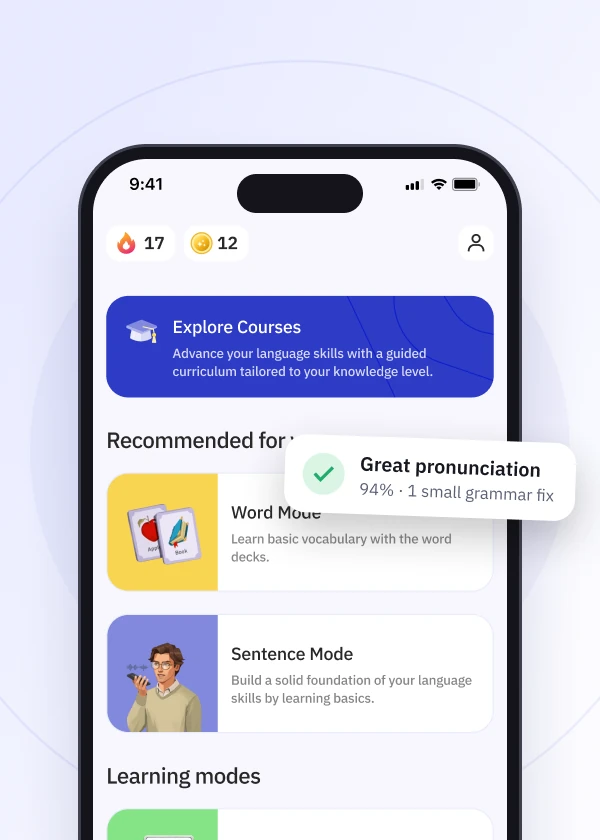
Talkpal is an AI-powered language tutor available on web and mobile platforms. Accelerate your language fluency, chat about interesting topics by writing or speaking, and receive realistic voice messages wherever and whenever you want.

Talkpal app The fun and effective way to learn a language with AI

Scan with your device to download on iOS or Android

Talkpal app The fun and effective way to learn a language with AI

Get in touch with us

We are always here if you have any questions or require assistance. Contact our customer support anytime at support@talkpal.ai

Languages

Learning

Partnerships

Company


Talkpal, Inc., 2810 N Church St, PMB 54222, Wilmington, Delaware 19802, US

© 2026 All Rights Reserved.

GDPR compliant

Trustpilot