



Learning a new language opens a portal to understanding different cultures and perspectives, and Japanese is no exception. In Australia, learning Japanese offers not only personal enrichment but also professional advantages due to the strong economic ties between Japan and Australia. With Japan being one of Australia’s major trading partners, proficiency in Japanese can enhance career opportunities in various sectors including business, tourism, education, and technology.
Japanese Language Courses Available in Australia
Australia offers a variety of options for those interested in learning Japanese, ranging from formal university courses to informal community classes and online platforms. Here are the most prominent methods:
University Courses:
Several Australian universities offer undergraduate and postgraduate degrees in Japanese studies. These courses often include a mix of language learning and cultural studies. Universities such as the University of Sydney, Monash University, and the University of Queensland have renowned programs.
Community Language Schools:
Community language schools provide practical language courses tailored to all age groups. These schools often offer flexible learning schedules, making it convenient for working professionals and students.
Private Language Tutors:
For personalized learning, many opt for private tutors. These sessions can be tailored to the individual’s learning pace and specific interests in the language.
Online Learning Platforms:
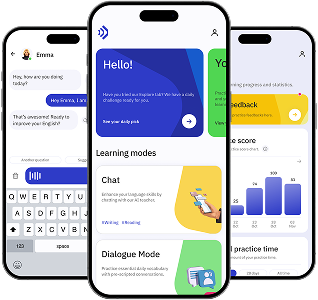
With the rise of digital learning, platforms like Duolingo, Rosetta Stone, and Japanesepod101 offer Japanese courses that are accessible anywhere and anytime. These platforms often include interactive tools and real-time feedback to aid in learning.
Benefits of Learning Japanese in Australia
Learning Japanese in Australia isn’t just about language acquisition. It encompasses a broader spectrum of benefits:
Cultural Insight:
Understanding Japanese language gives a deeper insight into the Japanese culture, traditions, and societal norms. This is particularly beneficial for professionals engaging in business with Japan or for tourists visiting Japan.
Academic Opportunities:
Proficiency in Japanese can open doors to scholarships and study programs in Japan, including the popular Japan Exchange and Teaching (JET) program.
Networking:
Being proficient in Japanese enhances networking opportunities with Japanese-speaking communities both in Australia and globally. This can lead to new professional and social opportunities.
Career Advancement:
Knowledge of Japanese can significantly boost career opportunities in various fields such as trade, diplomacy, tourism, and education. It’s a valued skill in both local and international job markets.
Challenges of Learning Japanese
Japanese is often considered one of the more difficult languages to learn due to its complex script and grammar. Here are some challenges learners might face:
Three Different Scripts:
Japanese uses three scripts: Hiragana, Katakana, and Kanji. Mastering all three can be daunting for beginners.
Grammar and Syntax:
Japanese sentence structure is typically subject-object-verb, which is different from the English subject-verb-object pattern. This requires a significant adjustment in thinking and constructing sentences.
Vocabulary:
Japanese has many homophones and words that are specific to cultural concepts, which can be confusing for learners.
Formal and Informal Speech:
Japanese language uses different levels of speech formality depending on the social context, which can be challenging to master.
Support and Resources for Japanese Learners in Australia
Australia provides abundant resources and support networks for learners of Japanese:
Language Meetups and Cultural Events:
Cities across Australia host Japanese language meetups, cultural festivals, and exchange events that provide immersive learning experiences.
Libraries and Bookshops:
Many local libraries and bookshops have sections dedicated to foreign language learning, where learners can find textbooks, novels, and language guides in Japanese.
Online Communities:
Online forums and social media groups offer platforms for learners to interact, share resources, and practice the language.
Consulate and Embassy Programs:
The Japanese Embassy and Consulates in Australia often organize language and cultural events that can enhance learning.
Conclusion
Learning Japanese in Australia is an enriching endeavor that offers numerous educational, professional, and personal benefits. Despite the challenges associated with its complex scripts and grammar, the wide array of learning resources and supportive community networks make it feasible and exciting. Whether for career advancement, academic pursuits, or personal satisfaction, mastering Japanese opens up a world of opportunities and deepens one’s understanding of a rich and diverse culture.