


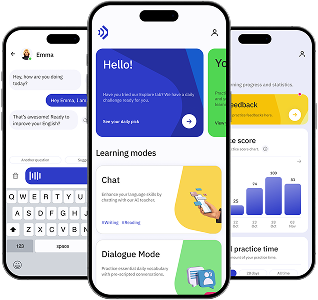




With modern technology, language learners can practice speaking in real time through voice and text interactions. Talkpal provides a free tier with limited functionality alongside paid subscriptions for full access, offering learners an accessible way to develop their spoken English with AI tutors. This article explores the benefits, key features, and best practices for using conversational applications to boost your fluency and speaking confidence.
Why Use Interactive Apps for Spoken English Practice?
The rise of mobile technology has transformed language acquisition. Traditional classroom settings are no longer the sole way to practice speaking. Using dedicated conversational applications offers several distinct advantages:
-
Real-Time Spoken Output: Conversational apps simulate natural dialogues, improving listening comprehension and active speech production simultaneously.
-
On-Demand Accessibility: Learners can practice anytime and anywhere, breaking geographical and scheduling barriers.
-
Cost-Effective Entry Points: Platforms offering free tiers or trial periods reduce financial barriers compared to expensive private tutoring.
-
Personalized Pacing: Adaptive tools tailor conversational topics and difficulty levels to individual proficiency and learning goals.
-
Confidence Building: Regular speaking practice in a low-pressure environment reduces conversational anxiety and sharpens pronunciation.
Key Features of Effective English Speaking Platforms
When choosing an English speaking application, it is important to look for features that maximize learning potential:
-
Advanced Speech Recognition: Accurate voice evaluation is crucial for identifying pronunciation errors, cadence, and intonation.
-
Contextual Conversational Prompts: Structured dialogues and topic suggestions help keep conversations flowing naturally.
-
Adaptive Difficulty: Applications that adapt to your skill level provide appropriate challenges without overwhelming you.
-
Instant Feedback: Immediate corrections on grammar, syntax, and word choice allow learners to adjust their phrasing on the spot.
-
Flexible 24/7 Availability: The ability to practice on demand eliminates the hassle of coordinating schedules with human partners.
How Talkpal Enhances English Speaking Practice
Talkpal is designed with language learners’ core needs in mind, combining conversational practice with real-time feedback:
-
Interactive AI Tutors: Engage in realistic voice and text conversations with AI tutors on demand, allowing you to practice spontaneous communication without fear of embarrassment.
-
Realistic Roleplay Scenarios: Practice everyday situations—such as ordering at a café, checking into a hotel, or navigating a job interview—to prepare for real-world interactions.
-
Real-Time Speech Recognition: Talkpal analyzes your spoken English as you talk, providing instant feedback on pronunciation accuracy and grammar.
-
Customizable Practice Topics: Choose from varied subjects ranging from casual hobbies to professional business discussions.
-
Flexible Subscription Options: Talkpal offers a free tier with limited functionality, allowing learners to experience conversational practice, while its paid subscription provides full access to unlimited practice and advanced modes.
These features make Talkpal a practical option for English learners seeking regular, low-pressure conversational practice.
Tips for Maximizing Your Spoken English Practice
To get the most out of your speaking sessions on Talkpal, consider these practical strategies:
-
Set Clear Goals: Define what you want to achieve—whether it is refining your pronunciation, mastering specific workplace terminology, or holding continuous 10-minute conversations.
-
Speak Aloud Consistently: Always use Talkpal’s voice mode to vocalize your thoughts, training your mouth muscles to form English sounds naturally.
-
Review Instant Corrections: Pay close attention to the grammar and vocabulary suggestions provided by the AI, and intentionally use those corrections in your next sentence.
-
Practice in Daily Micro-Sessions: Committing to 10 to 15 minutes of daily conversational practice yields far better results than infrequent, lengthy study blocks.
-
Combine Speaking with Listening: Supplement your Talkpal sessions by listening to English podcasts or news broadcasts to tune your ear to natural speech rhythms.
Comparing Speaking Practice Methods: Human Video Calls vs. AI Voice Practice
While some learners explore video call exchanges with other learners, AI-powered voice platforms like Talkpal offer unique advantages:
-
Scheduling: Human video calls require coordinating time zones and appointments, whereas Talkpal’s AI tutors are available 24/7 on demand.
-
Comfort Level: Speaking on video with strangers can cause anxiety and hesitation. Practicing with an AI creates a private, judgment-free space to make mistakes freely.
-
Feedback Quality: In casual human conversations, partners often overlook grammatical or phonetic errors. Talkpal provides consistent, objective feedback on every response.
Getting Started with Talkpal for Spoken English Practice
Starting with Talkpal is straightforward:
-
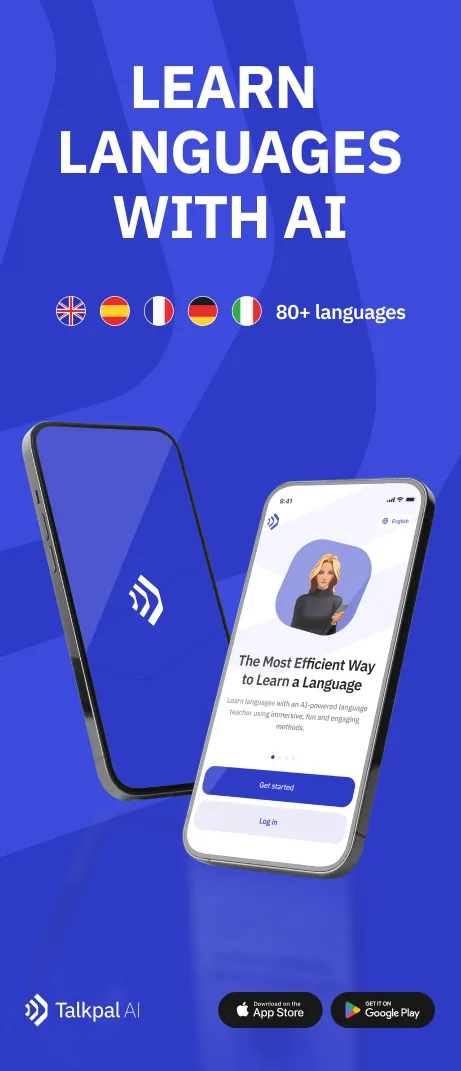
Download the App: Available on Android and iOS platforms via their respective app stores, as well as on desktop web browsers.
-
Set Your Proficiency and Goals: Select your current English level and areas of interest to tailor the conversational difficulty.
-
Engage with AI Tutors: Begin practicing voice dialogues, roleplays, or debate modes.
-
Select Your Plan: Explore the platform using the free tier with basic daily functionality, or upgrade to a paid subscription for full, unrestricted features.
Conclusion
Improving spoken English requires consistent practice, active vocalization, and accessible learning tools. Platforms like Talkpal offer an interactive, practical solution that combines real-time dialogue, speech recognition, and instant feedback from AI tutors.
By establishing a daily speaking routine and taking advantage of Talkpal’s free tier and subscription options, learners at any level can overcome conversational hesitation, refine their pronunciation, and build lasting confidence in spoken English.



_icon.svg)
