






Beginner's Guide to Epistemology & Ontology
Understanding the nature of knowledge, reality, and existence can seem daunting. Epistemology and ontology are foundational branches of philosophy, addressing questions about physical and conceptual worlds we live in. Whether you're exploring philosophy for academic purposes, or simply driven by intellectual curiosity, this beginner-friendly guide will introduce essential concepts clearly and concisely.


















The talkpal difference
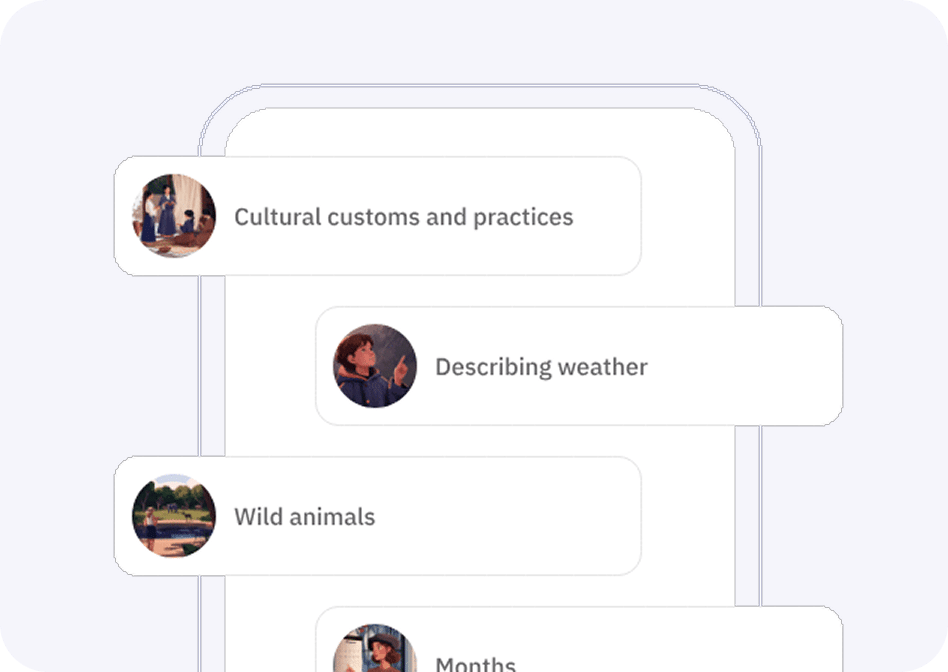
Personalized Education
Every student has a distinct style of acquiring knowledge. Through Talkpal technology, we analyze the study patterns of millions of users concurrently to build highly effective educational frameworks. These insights allow us to fully customize the lesson plans for every single user based on their specific interests and needs.
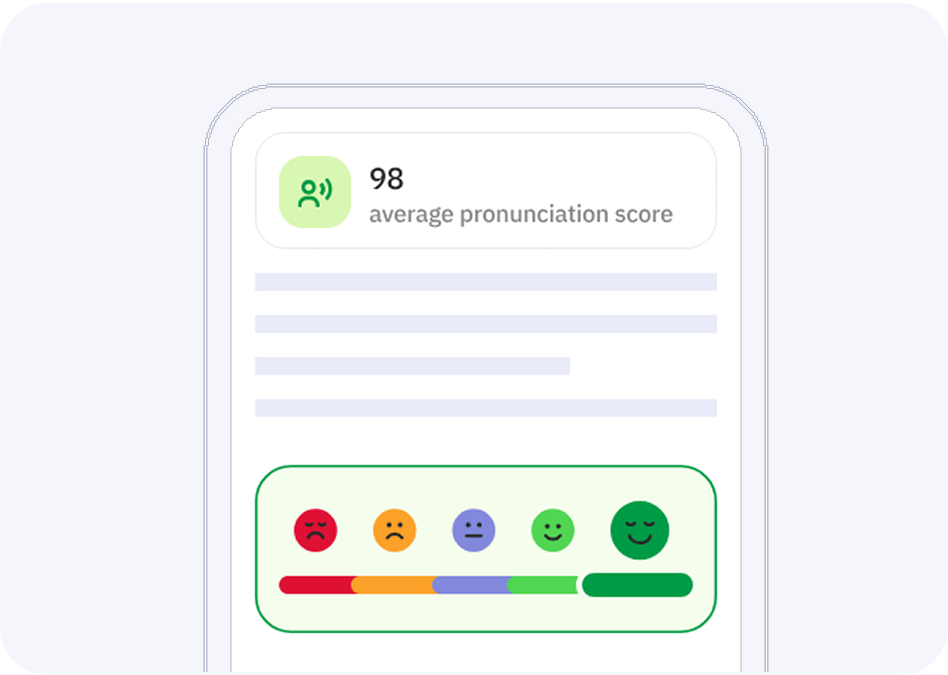
Cutting-Edge Technology
Our main mission is to lead the way in providing a unique study experience for every person. We accomplish this by leveraging the most recent innovations in technology to ensure you get the best AI-driven guidance available.
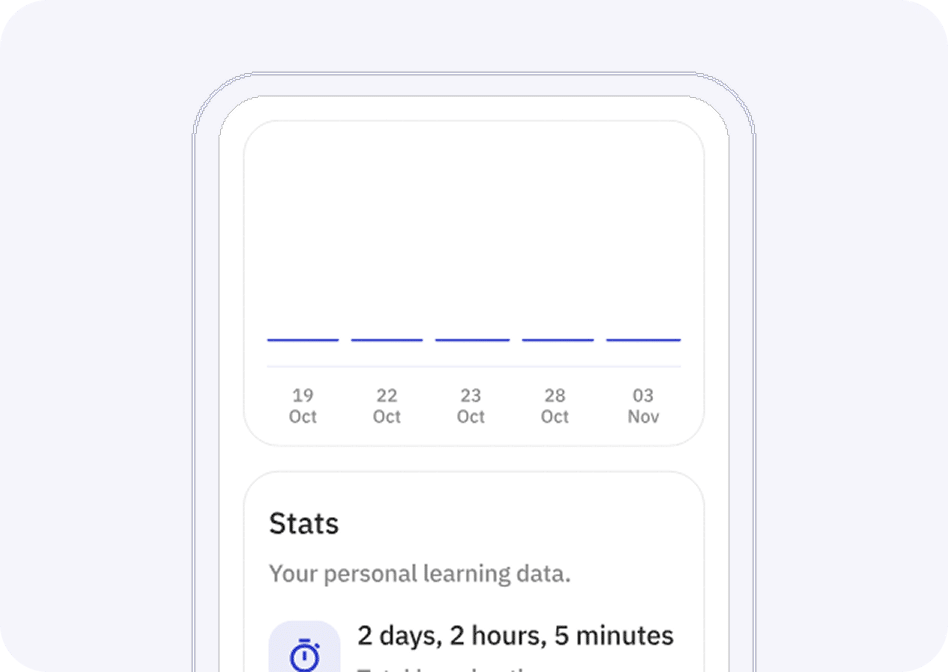
Making Learning Fun
We have transformed the educational process into a delightful activity. Since maintaining motivation in an online setting is often difficult, we developed Talkpal to be immersive and exciting. The experience is so compelling that many users prefer improving their language skills with our app instead of playing video games.
LANGUAGE LEARNING EXCELLENCE

“I recently used Talkpal app and was extremely impressed with its performance. The feedback was perfect.”

“The new update with statistics and progress tracker is awesome. Now i love the app even more.”
"This is a truly remarkable app. It offers endless practice in a huge variety of dynamic and interesting ways."

"This app offers amazing speaking practice for those who don't have someone to practice, can't coincide with friends in a different time zone, can't afford a speaking tutor."
"What a great resource for self studying a language. Unlike other apps, this one gives you active corrections and lots of options to practice speaking."
"One of the best apps for learning English. The premium version is exceptional, offering a comprehensive set of features that truly enhance the learning experience."
"I usually do not leave reviews.. like ever. This app and technology is truly amazing."
"Wow It's really incredible. I can communicate and get feedback on my message. I recommend I've been using the app for less than a week, but I think I'll stick with it for a long time."
"I never write reviews but I have been hoping for an AI Language app like this where I can finally practice speaking with voice to text and get responses."
"This is the first time I've ever given feedback for an app because usually I don't bother. But I really love and enjoy this app! It helps me so much learning Chinese."
“I recently used Talkpal app and was extremely impressed with its performance. The feedback was perfect.”
“The new update with statistics and progress tracker is awesome. Now i love the app even more.”
"This is a truly remarkable app. It offers endless practice in a huge variety of dynamic and interesting ways."
"This app offers amazing speaking practice for those who don't have someone to practice, can't coincide with friends in a different time zone, can't afford a speaking tutor."
"What a great resource for self studying a language. Unlike other apps, this one gives you active corrections and lots of options to practice speaking."
"One of the best apps for learning English. The premium version is exceptional, offering a comprehensive set of features that truly enhance the learning experience."
"I usually do not leave reviews.. like ever. This app and technology is truly amazing."
"Wow It's really incredible. I can communicate and get feedback on my message. I recommend I've been using the app for less than a week, but I think I'll stick with it for a long time."
"I never write reviews but I have been hoping for an AI Language app like this where I can finally practice speaking with voice to text and get responses."
"This is the first time I've ever given feedback for an app because usually I don't bother. But I really love and enjoy this app! It helps me so much learning Chinese."
The most efficient way to learn a language
Try Talkpal for freeWhat is Epistemology?
Epistemology is the branch of philosophy that explores the nature, origin, scope, and validity of knowledge. It investigates how we know what we know and identifies conditions that make knowledge reliable and justified.
Key Concepts of Epistemology
- Knowledge: Traditionally considered justified true belief.
- Belief: Acceptance or conviction in the truth or existence of something.
- Truth: A statement or belief matching reality or corresponding with facts.
- Justification: Sound reasoning or evidence supporting a belief or claim.
Major Questions in Epistemology
- How do we know something?
- What differentiates belief from knowledge?
- Can we truly know anything beyond our sensory experiences?
- What types of knowledge exist? (Empirical, rational, intuitive, etc.)
Primary Positions in Epistemology
- Empiricism: Knowledge primarily comes from sense-experience and observation.
- Rationalism: Knowledge mainly derives from reason and logic.
- Skepticism: Doubts about certainty or the possibility of absolute knowledge.
What is Ontology?
Ontology is the philosophical study of existence, being, and reality. It seeks to understand the fundamental categories of existence and define what is essentially real or existent.
Key Concepts of Ontology
- Being: Fundamental reality; the basic nature of existence.
- Existence: The state or fact of existing and being real.
- Reality: Structure, components, and dynamics of what is genuinely real.
- Entities: Anything with distinct existence—living beings, abstract concepts, physical objects.
Major Questions in Ontology
- What kinds of things exist?
- How can we categorize reality?
- What is the difference between physical and metaphysical entities?
- Are abstract concepts like numbers, thoughts, or moral principles real?
Primary Positions in Ontology
- Realism: Certain things exist independently of human perception.
- Idealism: Reality ultimately consists primarily of minds, ideas, or consciousness.
- Materialism: Only physical matter and energy truly exist; abstract concepts derive from physical reality.
How Epistemology & Ontology Connect
Both epistemology and ontology analyze foundational questions about the nature of reality (ontology) and how we come to know it (epistemology). Ontology determines what “is,” while epistemology examines how we may gain knowledge about it. Understanding each area complements and enhances appreciation of the other.
Practical Importance of Understanding Epistemology & Ontology
- Clarifies Understanding: Helps differentiate between assumptions, beliefs, and evidence-based truth.
- Enhances Critical Thinking: Encourages better reasoning, analysis, and informed judgement.
- Essential in Research: Clearly defines what exists and helps defend the methodology behind knowledge acquisition.
Conclusion
Epistemology and ontology, although initially challenging, offer insights indispensable for rigorous thought, questioning assumptions, and refining our understanding of reality and knowledge. Through exploring these foundational concepts, we enhance critical thinking skills beneficial to philosophy and everyday life.
The most efficient way to learn a language
Try Talkpal for freeFrequently Asked Questions


Why do epistemology and ontology matter?
Can I study epistemology and ontology separately?
Are epistemology and ontology relevant outside philosophy?
What’s the simplest way to explain epistemology?
How do real-world examples clarify ontology?




