





What is Batchim in Korean Language?
In Korean orthography, syllables are constructed using a combination of an initial consonant, a vowel, and sometimes a final consonant known as batchim (받침). The term batchim literally means “support” or “base,” referring to the consonant placed at the bottom of the syllable block. This final consonant significantly affects the pronunciation and meaning of words.
For example, the syllable 밥 (bap) ends with the batchim ㅂ, giving it the final sound “p.” Without this final consonant, the pronunciation and meaning could change entirely. Batchim can be a single consonant or a consonant cluster, but Korean has strict rules on which consonants can appear as batchim and how they are pronounced.
Why is Batchim Important in Korean Pronunciation?
Batchim influences not only the final sound of a syllable but also how words connect in natural speech. Proper understanding of batchim is critical for:
- Accurate Pronunciation: Incorrect batchim pronunciation can cause confusion, as many Korean words differ only by their final consonant.
- Listening Comprehension: Recognizing batchim helps learners decode spoken Korean more effectively.
- Grammar and Meaning: Batchim affects verb conjugation and particle attachment, impacting sentence meaning.
For instance, the verb ending changes depending on the presence of batchim, affecting formal and informal speech levels. Therefore, mastering batchim is essential for speaking and understanding Korean fluently.
Rules Governing Batchim Pronunciation
Korean batchim pronunciation follows systematic rules that learners must grasp to speak naturally. These rules govern how batchim sounds are realized at the end of syllables and when connected to the following syllable.
1. Pronunciation of Single Batchim Consonants
Korean has seven consonants that can appear as batchim, each with a specific pronunciation:
- ㄱ,ㅋ,ㄲ – pronounced as [k̚] (a hard “k” sound without an audible release)
- ㄴ – pronounced as [n]
- ㄷ,ㅅ,ㅆ,ㅈ,ㅊ,ㅌ,ㅎ – pronounced as [t̚] (a hard “t” sound without release)
- ㄹ – pronounced as a soft [l] sound
- ㅁ – pronounced as [m]
- ㅂ,ㅍ – pronounced as [p̚] (a hard “p” sound without release)
Note that some batchim consonants share the same final sound, such as ㄷ and ㅅ, both pronounced as a hard “t” sound at the end of a syllable.
2. Batchim Assimilation Rules
When a syllable ending with batchim is followed by a syllable beginning with a vowel or consonant, assimilation may occur, altering the pronunciation:
- Resyllabification: The batchim moves to the next syllable if the following syllable starts with a vowel.
Example: 밥을 is pronounced as [바블] (babeul), where the batchim ㅂ moves to the next syllable. - Nasalization: When batchim ㅂ, ㄷ, ㄱ is followed by a nasal consonant ㄴ, ㅁ, it changes to a nasal sound.
Example: 입니 (ipni) is pronounced as [임니] (imni). - Lateralization: The batchim ㄷ before ㄹ is pronounced as ㄹㄹ.
Example: 같다 (gatda) is pronounced as [갈따] (galtta).
3. Pronunciation of Batchim Clusters
When two consonants appear as batchim (consonant clusters), Korean pronunciation simplifies according to specific rules. For example:
- ㄳ – pronounced as ㄱ (e.g., 넋 [넉])
- ㄵ – pronounced as ㄴ (e.g., 앉다 [안따])
- ㄺ – pronounced as ㄱ (e.g., 읽다 [익따])
These simplified pronunciations affect both speaking and listening skills, making them vital to understand and practice.
How Batchim Affects Korean Grammar and Sentence Structure
Batchim plays an important role in Korean grammar, particularly in verb conjugations and particle attachment. The presence or absence of batchim in a verb stem dictates which grammatical ending to use.
1. Particle Attachment Based on Batchim
Particles like subject markers and object markers change depending on whether the noun ends with a batchim:
- 이 is attached if the noun ends with a batchim.
Example: 책 (book) + 이 = 책이 - 가 is attached if the noun does not end with a batchim.
Example: 학교 (school) + 가 = 학교가
2. Verb Conjugation Patterns
In verb conjugations, batchim affects how endings are combined:
- Verbs with batchim often take endings starting with vowels.
Example: 먹다 (to eat) → 먹어요 (I eat) - Verbs without batchim may attach different endings.
Example: 가다 (to go) → 가요 (I go)
Recognizing batchim helps learners conjugate verbs correctly and speak naturally.
Common Challenges Learners Face with Batchim
Despite its importance, batchim can be challenging for language learners due to:
- Silent Batchim: Some batchim are not fully pronounced, leading to confusion.
- Similar Sounds: Multiple batchim share similar pronunciations, making it hard to distinguish words.
- Assimilation Rules: The complex assimilation process can be difficult to internalize without practice.
Using Talkpal’s interactive lessons and pronunciation exercises can help learners overcome these hurdles by providing real-time feedback and practical examples.
Tips for Practicing and Mastering Batchim
To effectively learn batchim and improve Korean pronunciation, consider the following strategies:
- Listen Actively: Pay close attention to native speakers’ pronunciation, focusing on how batchim sounds are articulated.
- Practice Speaking: Use language exchange platforms like Talkpal to practice batchim pronunciation in context.
- Memorize Batchim Rules: Study and review the pronunciation rules for single consonants, clusters, and assimilation regularly.
- Use Phonetic Drills: Repeat words and sentences that contain batchim to build muscle memory.
- Record Yourself: Compare your pronunciation with native speakers to identify areas for improvement.
How Talkpal Enhances Learning of Batchim
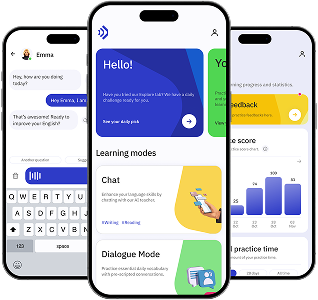
Talkpal is a dynamic language learning platform that provides learners with tools specifically designed to master Korean pronunciation, including batchim. Its features include:
- Interactive Pronunciation Exercises: Targeted drills focus on batchim sounds, helping learners practice difficult consonants.
- Speech Recognition Technology: Immediate feedback allows learners to correct their batchim pronunciation in real time.
- Conversation Practice: Engage in live chats with native Korean speakers, reinforcing batchim usage in natural dialogue.
- Customized Learning Paths: Tailored lessons adapt to the learner’s proficiency, focusing more on challenging batchim concepts as needed.
By integrating these features, Talkpal creates an immersive environment where learners can confidently master batchim and overall Korean pronunciation.
Conclusion
Understanding and mastering batchim is fundamental to achieving fluency in Korean, as it affects pronunciation, grammar, and comprehension. While the concept may initially seem complex, consistent practice using effective tools like Talkpal can simplify the learning process. By following the pronunciation rules, engaging in active listening, and utilizing interactive platforms, learners can develop a natural and accurate Korean accent, opening doors to deeper cultural and linguistic understanding.

 Download talkpal app





_icon.svg)
