





Understanding the Italian Intermediate Level
The Italian intermediate level typically corresponds to the B1 and B2 stages of the Common European Framework of Reference for Languages (CEFR). At this stage, learners are expected to handle everyday situations with greater ease, express opinions, and understand the main ideas of complex texts. Achieving this level requires a balanced approach to all language skills:
- Listening: Comprehending conversations on familiar and unfamiliar topics.
- Speaking: Engaging in discussions, narrating experiences, and explaining viewpoints.
- Reading: Understanding articles, stories, and reports with some challenging vocabulary.
- Writing: Composing detailed texts, emails, and essays.
Focusing on these areas will help learners gain confidence and prepare for advanced Italian proficiency.
Why Use Talkpal for Italian Intermediate Learning?
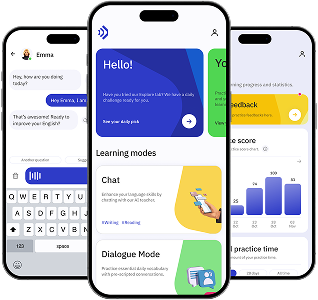
Talkpal stands out as an innovative language learning platform that caters perfectly to intermediate learners. Here’s why it’s an excellent choice:
- Interactive Practice: Talkpal connects learners with native Italian speakers for real-time conversations, which is vital for improving speaking and listening skills.
- Personalized Learning: The platform adapts to your skill level, focusing on areas that need improvement, making your study sessions more effective.
- Convenient and Flexible: You can practice anytime, anywhere, fitting language learning into your busy schedule.
- Community Support: Engage with a community of learners and tutors, fostering motivation and cultural exchange.
Using Talkpal alongside other study methods can accelerate your progress to become a confident Italian intermediate speaker.
Key Grammar Topics for Italian Intermediate Learners
At the intermediate level, solidifying grammar knowledge is essential. Here are some crucial grammar topics to focus on:
1. Verb Tenses and Moods
- Imperfetto vs. Passato Prossimo: Mastering the difference between these past tenses to narrate events effectively.
- Futuro Semplice and Futuro Anteriore: Expressing future actions and events.
- Congiuntivo (Subjunctive Mood): Understanding and using the subjunctive to express doubt, emotion, and uncertainty.
- Condizionale (Conditional): Forming polite requests, hypothetical situations, and expressing desires.
2. Pronouns and Prepositions
- Using direct and indirect object pronouns correctly.
- Reflexive pronouns in daily conversation.
- Prepositions of place, time, and cause, which often challenge learners.
3. Complex Sentence Structures
- Relative clauses with “che,” “cui,” and other connectors.
- Subordinate clauses to add depth and complexity to your sentences.
Regular practice of these grammar topics through exercises and practical conversation is essential for mastery.
Expanding Italian Vocabulary at the Intermediate Level
Vocabulary growth is key to expressing yourself more precisely and understanding more complex materials. Here are effective methods to expand your Italian vocabulary:
- Thematic Vocabulary Lists: Focus on themes such as travel, food, work, and hobbies to build relevant word banks.
- Contextual Learning: Learn new words through reading articles, watching Italian films, and listening to podcasts.
- Flashcards and Spaced Repetition: Use apps like Anki or Quizlet to reinforce new vocabulary regularly.
- Idiomatic Expressions and Phrasal Verbs: Incorporate common idioms to sound more natural and fluent.
Talkpal also supports vocabulary acquisition through real conversations, allowing learners to hear and use new words in context.
Improving Listening and Speaking Skills
Intermediate learners should focus on understanding spoken Italian in various contexts and speaking with greater fluency and accuracy. Here’s how:
Listening Strategies
- Active Listening: Practice listening to Italian news, movies, and podcasts, taking notes of new phrases and pronunciation.
- Variety of Accents: Expose yourself to different regional accents to improve comprehension.
- Interactive Listening Exercises: Use resources that provide questions or summaries to check understanding.
Speaking Practice
- Language Exchanges: Partner with native speakers to practice conversational skills.
- Role-Playing: Simulate real-life situations like ordering food, booking hotels, or discussing opinions.
- Self-Recording: Record yourself speaking to identify areas for improvement.
- Regular Practice on Talkpal: Engage in structured conversations that challenge your speaking abilities.
Consistent practice in speaking and listening will boost confidence and comprehension, essential for intermediate learners.
Reading and Writing for Italian Intermediate Learners
Developing reading and writing skills enhances your overall language ability and prepares you for academic or professional use of Italian.
Reading Tips
- Start with graded readers or simplified novels suited for intermediate learners.
- Read Italian newspapers and magazines to stay updated on current events and learn contemporary language.
- Annotate texts by highlighting new vocabulary and grammatical structures.
- Use bilingual dictionaries or apps for quick reference.
Writing Practice
- Keep a daily journal in Italian to practice expressing thoughts and feelings.
- Write essays or opinion pieces on familiar topics.
- Practice formal and informal letter writing, including emails.
- Seek feedback from tutors or native speakers, which Talkpal can facilitate through its community.
Additional Resources to Support Italian Intermediate Learning
Besides Talkpal, several other tools and resources can complement your learning journey:
- Language Apps: Duolingo, Babbel, and Memrise offer structured lessons tailored to intermediate learners.
- Online Courses: Platforms like Coursera and Udemy provide comprehensive Italian courses.
- Podcasts: “Coffee Break Italian” and “News in Slow Italian” are excellent for listening practice.
- Italian Films and TV Shows: Watching with subtitles improves understanding of colloquial speech and culture.
- Grammar Books: “Practice Makes Perfect: Italian Verb Tenses” and “Italian Grammar Drills” are great for deepening grammar knowledge.
Tips for Staying Motivated and Consistent
Maintaining motivation is crucial for successful language learning, especially at the intermediate level when progress may sometimes seem slower. Consider these tips:
- Set Clear Goals: Define what you want to achieve in a specific timeframe.
- Celebrate Small Wins: Acknowledge improvements and milestones.
- Mix Learning Methods: Combine Talkpal conversations with reading, writing, and listening activities to keep learning engaging.
- Immerse Yourself: Surround yourself with Italian through music, films, and social media.
- Join Communities: Participate in language forums and groups for support and accountability.
Conclusion
Reaching the Italian intermediate level is an exciting milestone that brings you closer to fluency and cultural understanding. By focusing on key grammar points, expanding vocabulary, and enhancing all language skills through consistent practice and effective tools like Talkpal, learners can achieve meaningful progress. Remember to leverage a variety of resources, engage with native speakers, and stay motivated throughout your journey. With dedication and the right strategies, mastering Italian at the intermediate level becomes an achievable and rewarding goal.

 Download talkpal app




_icon.svg)
