


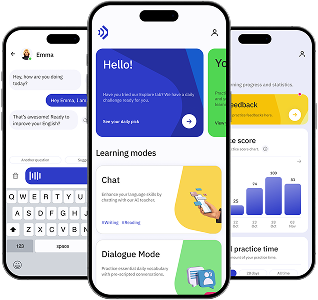




Talkpal is a great way to learn the Nepali language, providing interactive conversational tools powered by AI tutors that make language practice engaging and accessible. This article explores the essentials of the Nepali language, the benefits of mastering it, and how Talkpal can support your journey to fluency.
Understanding the Nepali Language
Nepali is an Indo-Aryan language written in the Devanagari script. As the official language of Nepal, it is spoken by millions of people across Nepal, as well as in significant diaspora communities in India (particularly Sikkim and West Bengal), Bhutan, and around the world.
The Cultural Significance of Nepali
-
A Bridge Between Diverse Communities: Nepal is home to over a hundred distinct ethnic groups; the Nepali language serves as the common lingua franca connecting them all.
-
Rich Literary and Oral Traditions: Nepali boasts a celebrated heritage of poetry, folk songs (Lok Geet), and historical chronicles.
-
Politeness and Respect: The language features distinct levels of honorifics (Hajur, Tapai), reflecting deep-rooted cultural values of respect, hospitality, and warmth.
Why Learn the Nepali Language?
Learning Nepali offers several unique advantages, whether for travel, career opportunities, or cultural curiosity:
1. Enhancing Travel and Exploration
From trekking the Annapurna circuit to navigating the vibrant streets of Kathmandu and Pokhara, knowing Nepali transforms your travel experience. Communicating with locals in their native tongue fosters genuine connections and deepens your appreciation of the country.
2. Deepening Cultural and Social Connections
Speaking Nepali allows you to engage meaningfully with local communities, volunteer organizations, and cultural initiatives, providing insight that goes far beyond standard guidebooks.
3. Practical Language Acquisition
Nepali follows a logical phonetic structure and a Subject-Object-Verb (SOV) word order. Learning its patterns enhances analytical linguistic skills and provides a foundation for understanding other South Asian languages.
How Talkpal Facilitates Learning the Nepali Language
Developing spoken fluency requires active conversation rather than passive memorization. Talkpal provides an immersive, low-pressure environment designed to build speaking confidence:
Interactive Conversational Practice with AI Tutors
Talkpal allows you to engage in real-time voice and text dialogue with AI tutors. You can practice everyday greetings, casual conversation, and essential questions, receiving instant responses that simulate natural interaction.
Real-Time Pronunciation and Grammar Feedback
Pronouncing Nepali sounds clearly is essential for mutual understanding. Talkpal’s speech recognition technology analyzes your speech as you practice, helping you refine your pronunciation, cadence, and sentence structure on the spot.
Customizable Learning Scenarios
Whether you are preparing for a trekking expedition, learning business phrases, or practicing casual introductions, Talkpal lets you tailor practice topics to match your specific goals and skill level.
Low-Pressure Confidence Building
Practicing with an AI tutor eliminates the fear of making mistakes or feeling self-conscious. Learners can experiment with new sentence structures freely, building conversational agility at their own pace.
Practical Tips for Learning Nepali Effectively
To make the most of your language learning journey, consider the following strategies:
-
Master Basic Greetings Early: Learn essential conversational pillars like Namaste (formal greeting), Dhanyabad (thank you), and Kasto cha? (how are you?).
-
Practice Speaking Daily: Dedicate 10 to 15 minutes each day to active voice conversations on Talkpal rather than cramming once a week.
-
Learn the Devanagari Script: While romanized transliteration helps at the start, learning to read the phonetic Devanagari alphabet prevents persistent pronunciation errors.
-
Immerse Yourself in Media: Listen to Nepali folk music, modern pop, podcasts, and regional news broadcasts to tune your ear to natural speech cadences.
-
Keep a Daily Phrase Journal: Write down common phrases you encounter and deliberately practice them during your Talkpal sessions.
Common Challenges in Learning Nepali and How to Overcome Them
-
Sentence Structure (SOV): Because Nepali places the verb at the end of the sentence, English speakers often struggle with word order. Regular dialogue practice with Talkpal helps make this structure feel natural.
-
Honorific Speech Levels: Navigating informal versus polite pronouns can be intimidating. Using Talkpal’s contextual roleplays helps you practice using respectful forms appropriately.
-
Phonetic Variations: Distinguishing between dental and retroflex consonants requires ear training. Speaking aloud with voice-enabled AI tools helps you identify and replicate these subtle differences.
Conclusion
Mastering the Nepali language provides a profound connection to Nepal’s rich heritage, warm hospitality, and timeless traditions. Through the interactive platform of Talkpal, learners can effectively overcome speaking hesitation, receive instant feedback from AI tutors, and develop practical conversational skills.
Whether you are preparing for a Himalayan trek, connecting with Nepali-speaking communities, or pursuing personal growth, embracing the Nepali language is an enriching and deeply rewarding experience.





_icon.svg)
