





Understanding the Importance of Learning Arabic
Arabic is spoken by over 400 million people worldwide, making it one of the most widely spoken languages globally. It serves as the official language in 22 countries and holds significant religious, cultural, and economic importance. Learning Arabic can enhance communication in the Middle East and North Africa, improve career prospects in international business and diplomacy, and deepen one’s appreciation of Arabic literature, history, and traditions.
Why You Should Focus on كيف تتعلم اللغة العربية
– Arabic is the fifth most spoken language worldwide.
– It is the liturgical language of Islam, influencing billions.
– Growing economic ties with Arabic-speaking countries increase job opportunities.
– Learning Arabic promotes cognitive skills and cross-cultural empathy.
Mastering كيف تتعلم اللغة العربية not only helps in speaking and writing but also in understanding the nuances of diverse Arabic dialects and Modern Standard Arabic (MSA).
Effective Strategies for كيف تتعلم اللغة العربية
Learning Arabic requires a strategic approach due to its unique script, grammar, and pronunciation. Here are key strategies to help learners progress efficiently:
1. Start with the Arabic Alphabet and Pronunciation
Arabic uses its own script that reads from right to left, consisting of 28 letters. Familiarity with the alphabet is foundational:
– Learn the shape and sound of each letter.
– Practice writing letters in their isolated, initial, medial, and final forms.
– Use audio resources to master pronunciation, especially of unique sounds like ع (‘Ayn) and غ (Ghayn).
2. Build a Strong Vocabulary Base
Vocabulary acquisition is vital for communication. Focus on:
– Common words and phrases used in daily conversations.
– Thematic vocabulary sets such as food, travel, and family.
– Using flashcards and spaced repetition systems (SRS) to reinforce memory.
3. Understand Arabic Grammar Fundamentals
Arabic grammar has distinct features including verb conjugations, noun cases, and sentence structure:
– Learn the root system that forms most Arabic words.
– Study verb patterns (أوزان) to understand how meanings change.
– Practice nominal and verbal sentences, focusing on gender and number agreements.
4. Practice Listening and Speaking Regularly
Immersive practice is crucial for developing fluency:
– Listen to Arabic podcasts, news, and music.
– Engage in conversations with native speakers or language partners.
– Use language learning apps like Talkpal that facilitate real-time speaking practice.
5. Read and Write in Arabic Consistently
Reading and writing reinforce comprehension and production skills:
– Start with children’s books and simple texts.
– Gradually move to newspapers, blogs, and literature.
– Write daily journal entries or essays in Arabic.
How Talkpal Enhances Your Arabic Learning Experience
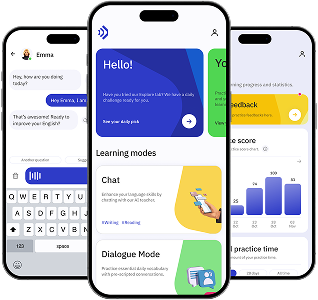
Talkpal stands out as a dynamic platform designed to support learners at every stage of كيف تتعلم اللغة العربية. Its features include:
- Interactive Lessons: Structured lessons covering grammar, vocabulary, and pronunciation.
- Live Practice Sessions: Opportunities to speak with native speakers and tutors in real-time.
- Personalized Learning Paths: Tailored content based on your proficiency level and goals.
- Gamified Learning: Engaging quizzes and challenges to maintain motivation.
- Community Support: Forums and groups where learners share tips and encourage each other.
By integrating these features, Talkpal creates an immersive environment that fosters consistent progress and confidence in using Arabic.
Overcoming Common Challenges in Learning Arabic
Arabic learners often face specific obstacles. Recognizing and addressing these can streamline the learning process:
Complex Script and Calligraphy
The Arabic script’s cursive nature and letter variations can be daunting. To overcome this:
– Practice writing daily.
– Use tracing sheets and digital writing tools.
– Focus initially on print forms before exploring calligraphy styles.
Dialect Diversity
Arabic has many dialects, which vary significantly across regions. To manage this:
– Start with Modern Standard Arabic (MSA) for formal and written communication.
– Choose a dialect relevant to your interests, such as Egyptian, Levantine, or Gulf Arabic.
– Use Talkpal’s dialect-specific resources for targeted practice.
Pronunciation Difficulties
Sounds like ق (Qaf), خ (Kha), and ع (‘Ayn) are unfamiliar to many learners. Tips include:
– Listening to native speakers frequently.
– Recording and comparing your speech.
– Working with tutors on Talkpal for corrective feedback.
Additional Tips for Mastering كيف تتعلم اللغة العربية
– Set Realistic Goals: Define clear, achievable milestones, such as mastering basic greetings or holding a 5-minute conversation.
– Consistency is Key: Dedicate at least 20-30 minutes daily to study and practice.
– Immerse Yourself Culturally: Watch Arabic films, follow social media accounts, and try cooking Arabic recipes to connect language with culture.
– Use Technology: Combine Talkpal with other apps like Anki for vocabulary and LingQ for reading practice.
– Join Language Exchange Communities: Engage with fellow learners and native speakers to expand your network and practice opportunities.
Conclusion
Mastering Arabic is a fulfilling endeavor that requires dedication, effective strategies, and the right tools. Understanding كيف تتعلم اللغة العربية involves starting with the alphabet, building vocabulary, grasping grammar, and consistently practicing speaking, listening, reading, and writing. Platforms like Talkpal provide invaluable support through interactive lessons, live practice, and community engagement, making the learning process smoother and more enjoyable. With persistence and the right approach, learners can unlock the rich linguistic and cultural treasures of the Arabic language.

 Download talkpal app





_icon.svg)
