


O Talkpal transforma a IA no teu treinador de línguas pessoal



O verbo "to be" é um dos verbos mais fundamentais e frequentemente utilizados na língua inglesa. A sua tradução direta para o português é "ser" ou "estar", dependendo do contexto. Este verbo desempenha um papel crucial na formação de frases, atuando como um verbo de ligação que conecta o sujeito a uma condição, estado ou identidade. Além disso, "to be" é um verbo irregular, o que significa que as suas formas não seguem um padrão fixo de conjugação. Entender o uso e as variações do verbo "to be" é essencial para a construção correta de frases e para a comunicação eficaz em inglês.
She is a talented musician.
They are planning to visit us next week.
He was very happy with the results.
The children were playing in the park all afternoon.
It has been a long day.
By next year, we will be more experienced.
I am excited about the upcoming trip.
The project is being reviewed by the manager.
She has been working here for five years.
We were supposed to meet at 3 PM.
I am happy.
You are tired.
He is a teacher.
She is at home.
It is raining.
We are friends.
They are students.
I was at the park.
You were late.
He was sick.
She was busy.
It was a sunny day.
We were at the meeting.
They were on vacation.
I will be there at 5 PM.
You will be fine.
He will be a great leader.
She will be happy.
It will be okay.
We will be together.
They will be ready.
I am being cautious.
You are being silly.
He is being generous.
She is being kind.
It is being fixed.
We are being careful.
They are being noisy.
I was being rude.
You were being helpful.
He was being honest.
She was being creative.
It was being cleaned.
We were being watched.
They were being silly.
I will be being careful.
You will be being observed.
He will be being cautious.
She will be being watched.
It will be being tested.
We will be being careful.
They will be being monitored.
I have been to France.
You have been amazing.
He has been a doctor.
She has been very supportive.
It has been a great experience.
We have been friends for years.
They have been working hard.
I had been waiting for hours.
You had been very patient.
He had been a great teacher.
She had been feeling unwell.
It had been a long day.
We had been planning this for months.
They had been living there for years.
I will have been here for an hour by then.
You will have been a great help.
He will have been in charge for five years.
She will have been very successful.
It will have been a year since we met.
We will have been working together for a decade.
They will have been friends for a long time.
I have been being more careful lately.
You have been being too generous.
He has been being very helpful.
She has been being kind to everyone.
It has been being tested thoroughly.
We have been being very cautious.
They have been being too noisy.
I had been being watched.
You had been being observed.
He had been being tested.
She had been being monitored.
It had been being repaired.
We had been being careful.
They had been being too loud.
I will have been being cautious.
You will have been being careful.
He will have been being tested.
She will have been being observed.
It will have been being monitored.
We will have been being very careful.
They will have been being watched closely.
The fun and effective way to learn a language with AI
Experimenta o Talkpal grátis Powered by Advanced AI
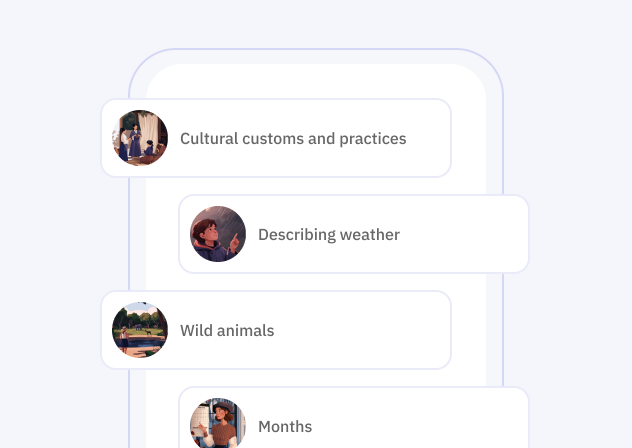
Cada indivíduo aprende de uma forma única. Com a tecnologia Talkpal , temos a capacidade de examinar como milhões de pessoas aprendem simultaneamente e projetar as plataformas educacionais mais eficientes, que podem ser personalizadas para cada aluno.
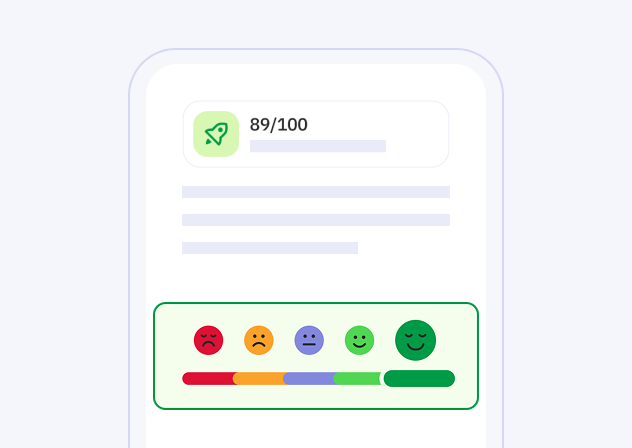
Recebe feedback imediato e personalizado e sugestões para acelerar o teu domínio da língua.
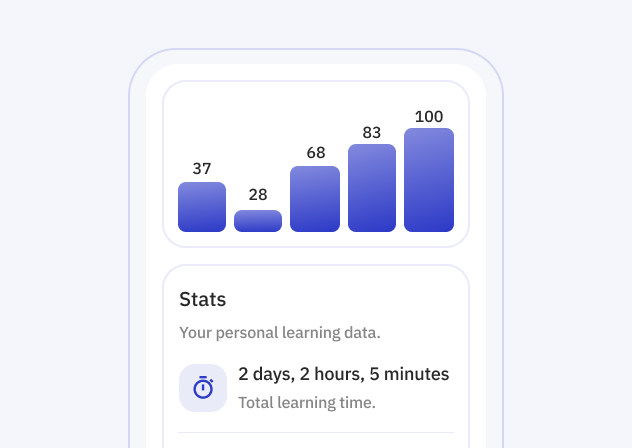
Aprende através de métodos adaptados ao teu estilo e ritmo únicos, garantindo uma viagem personalizada e eficaz até à fluência.
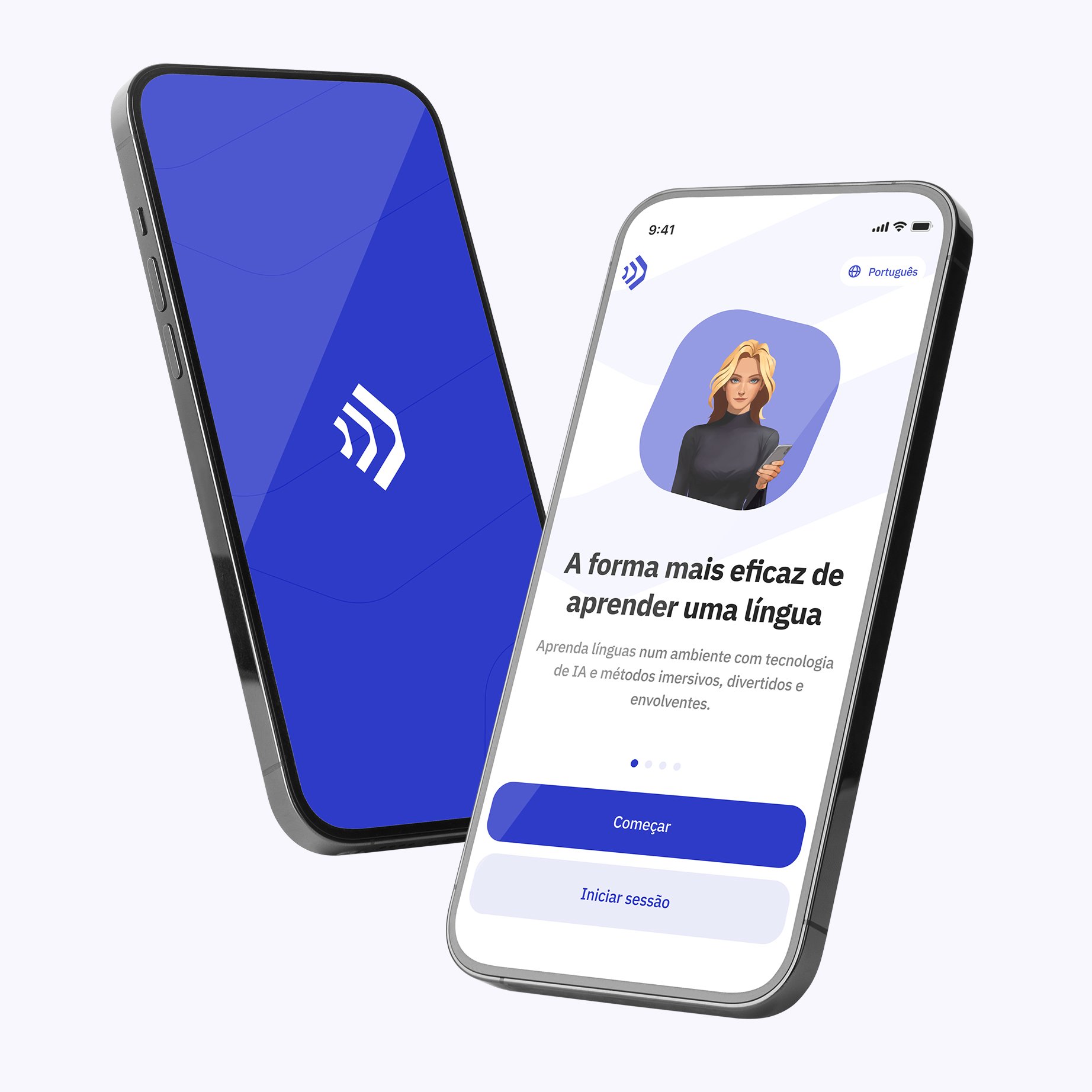
O Talkpal é um tutor de línguas com tecnologia de IA, disponível na web e em plataformas móveis. Acelera a tua fluência linguística, conversa sobre temas interessantes por escrito ou oralmente e recebe mensagens de voz realistas onde e quando quiseres.


_icon.svg)
Talkpal, Inc., 2810 N Church St, PMB 54222, Wilmington, Delaware 19802, US

