


O Talkpal transforma a IA no teu treinador de línguas pessoal



O verbo "slant" em inglês é utilizado para descrever uma ação ou uma condição em que algo está inclinado ou direcionado de forma oblíqua, não estando completamente horizontal ou vertical. A palavra pode ser usada tanto em contextos literais, como para descrever a inclinação de um objeto físico, quanto em contextos figurativos, como para indicar um viés ou uma tendência em uma opinião ou relato. Em português, "slant" pode ser traduzido como "inclinar" ou "tendenciar", dependendo do contexto em que é utilizado. Este verbo é versátil e essencial para expressar a ideia de inclinação, seja física ou metafórica, em diversos tipos de comunicação.
The sun slanted through the blinds, casting long shadows on the floor.
He always seems to slant his stories to make himself look good.
The road slants steeply down the hill, making it tricky to drive.
She slanted her hat to one side for a more stylish look.
The picture on the wall was slanting slightly to the right.
They tried to slant the news report to fit their agenda.
The tower slants just enough to be noticeable but not dangerous.
The author’s bias slants the narrative in a subtle way.
We need to slant the roof to allow water to run off properly.
The path slanted gently down to the riverbank.
I slant the picture on the wall.
You slant your handwriting.
He slants the sign to the left.
She slants her hat forward.
It slants slightly to the right.
We slant the roof for better drainage.
They slant their chairs back.
I slanted the board during the presentation.
You slanted the picture frame.
He slanted his writing to make it more artistic.
She slanted her head in curiosity.
It slanted more than we expected.
We slanted the shelves for better display.
They slanted their bodies to fit through the narrow gap.
I will slant the roof for better water runoff.
You will slant the poster on the wall.
He will slant his hat to look stylish.
She will slant the angle of the photo.
It will slant over time due to weight.
We will slant the stairs for easier access.
They will slant the beam for stability.
I am slanting the canvas as I paint.
You are slanting your chair back.
He is slanting the table to make it level.
She is slanting her head in thought.
It is slanting more with each passing day.
We are slanting the roof to prevent water buildup.
They are slanting the fence to match the terrain.
I was slanting the mirror when it fell.
You were slanting your writing on the paper.
He was slanting the desk to make it more comfortable.
She was slanting her head to see better.
It was slanting before we fixed it.
We were slanting the shelf to fit the space.
They were slanting the poles to create the structure.
I will be slanting the blinds to block the sun.
You will be slanting the picture to hang it properly.
He will be slanting his chair for comfort.
She will be slanting her head in curiosity.
It will be slanting over time without support.
We will be slanting the roof for better drainage.
They will be slanting the boards for the fence.
I have slanted the picture many times.
You have slanted your handwriting recently.
He has slanted the sign before.
She has slanted her hat often.
It has slanted more than expected.
We have slanted the shelves for better display.
They have slanted their chairs many times.
I had slanted the board before you arrived.
You had slanted the picture before the meeting.
He had slanted his writing before showing it.
She had slanted her head before speaking.
It had slanted before we noticed.
We had slanted the shelves before arranging the items.
They had slanted their chairs before sitting down.
I will have slanted the roof by next week.
You will have slanted the picture by the time they arrive.
He will have slanted his hat by the end of the day.
She will have slanted her head before answering.
It will have slanted more by tomorrow.
We will have slanted the shelves before the inspection.
They will have slanted their chairs before the presentation.

The fun and effective way to learn a language with AI
Experimenta o Talkpal grátis Powered by Advanced AI
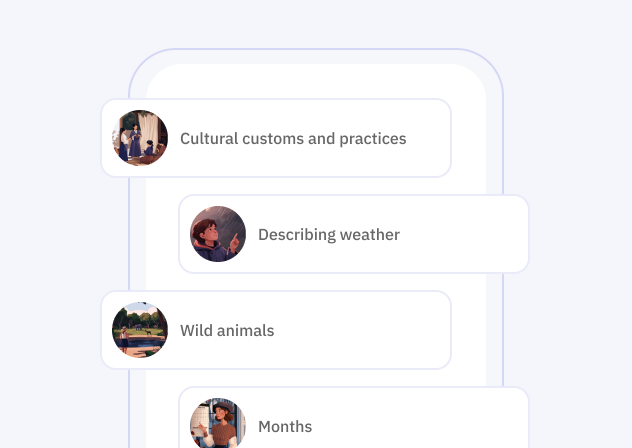
Cada indivíduo aprende de uma forma única. Com a tecnologia Talkpal , temos a capacidade de examinar como milhões de pessoas aprendem simultaneamente e projetar as plataformas educacionais mais eficientes, que podem ser personalizadas para cada aluno.
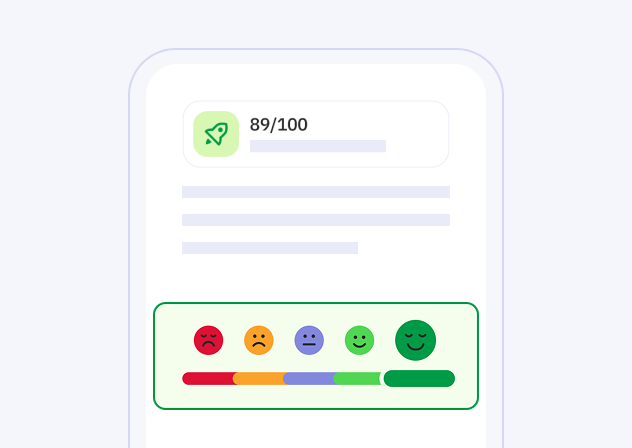
Recebe feedback imediato e personalizado e sugestões para acelerar o teu domínio da língua.
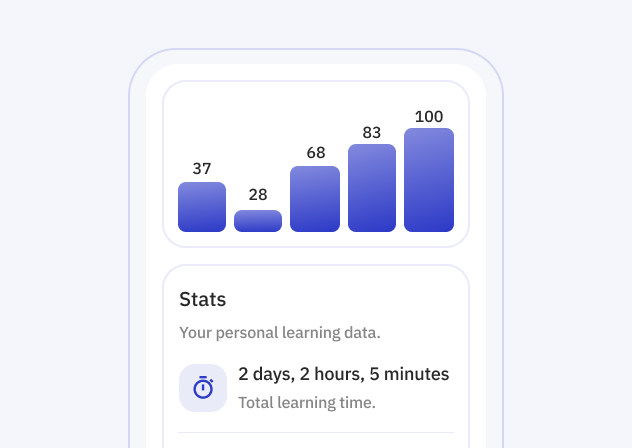
Aprende através de métodos adaptados ao teu estilo e ritmo únicos, garantindo uma viagem personalizada e eficaz até à fluência.
O Talkpal é um tutor de línguas com tecnologia de IA, disponível na web e em plataformas móveis. Acelera a tua fluência linguística, conversa sobre temas interessantes por escrito ou oralmente e recebe mensagens de voz realistas onde e quando quiseres.



_icon.svg)
Talkpal, Inc., 2810 N Church St, PMB 54222, Wilmington, Delaware 19802, US

