


Talkpal transforme l'IA en ton prof de langue perso



Le verbe anglais "to value" est un terme riche en significations et en nuances. À la base, il signifie « estimer la valeur de » quelque chose ou quelqu'un. Ce terme peut s'appliquer à la fois à des contextes matériels et immatériels. Par exemple, on peut "value" une propriété pour déterminer son prix monétaire, ou on peut "value" une relation pour exprimer l'importance émotionnelle ou personnelle qu'elle représente. Le verbe peut également indiquer l'appréciation ou le respect que l'on porte à une chose, une personne, ou une idée. En somme, "to value" est un verbe polyvalent qui trouve sa place dans divers aspects de la vie quotidienne, professionnelle, et émotionnelle.
I value honesty above all other traits.
She values her friendships deeply and makes time for her friends.
The company values its employees' contributions.
He valued the antique painting at over a million dollars.
We value your feedback and suggestions for improvement.
The community values education and invests heavily in schools.
They valued the house after the renovations were complete.
You should value your own accomplishments more.
Our culture values diversity and inclusion.
I have always valued her opinion on important matters.
I value honesty.
You value hard work.
He values loyalty.
She values friendship.
It values tradition.
We value our time together.
They value your opinion.
I valued his advice.
You valued her efforts.
He valued the opportunity.
She valued their friendship.
It valued the input.
We valued the feedback.
They valued the experience.
I will value your support.
You will value the lesson.
He will value the gesture.
She will value the gift.
It will value the upgrade.
We will value the time spent.
They will value the opportunity.
I am valuing your patience.
You are valuing their kindness.
He is valuing the experience.
She is valuing the feedback.
It is valuing the tradition.
We are valuing the collaboration.
They are valuing the relationship.
I was valuing the support.
You were valuing their efforts.
He was valuing the opportunity.
She was valuing the moments spent together.
It was valuing the innovation.
We were valuing the cooperation.
They were valuing the friendship.
I will be valuing your advice.
You will be valuing their support.
He will be valuing the opportunity.
She will be valuing the encouragement.
It will be valuing the upgrade.
We will be valuing the feedback.
They will be valuing the collaboration.
I have valued your advice.
You have valued their kindness.
He has valued the opportunity.
She has valued the experience.
It has valued the innovation.
We have valued the feedback.
They have valued the relationship.
I had valued the opportunity before it was lost.
You had valued their support before they left.
He had valued the gift before it broke.
She had valued the friendship before the misunderstanding.
It had valued the tradition before the change.
We had valued the feedback before the meeting.
They had valued the collaboration before the project ended.
I will have valued your advice by the end of the day.
You will have valued their support by the end of the project.
He will have valued the opportunity by the time he graduates.
She will have valued the gift by her birthday.
It will have valued the upgrade by the time it is implemented.
We will have valued the feedback by the next meeting.
They will have valued the collaboration by the end of the year.
I have been valuing your opinion lately.
You have been valuing their input recently.
He has been valuing the opportunity for growth.
She has been valuing the time spent together.
It has been valuing the new features.
We have been valuing the collaboration on this project.
They have been valuing the partnership.
I had been valuing your advice before the incident.
You had been valuing their efforts before the change.
He had been valuing the opportunity before it was lost.
She had been valuing the friendship before the misunderstanding.
It had been valuing the innovation before the update.
We had been valuing the feedback before the meeting.
They had been valuing the collaboration before the project ended.
I will have been valuing your advice by the end of the year.
You will have been valuing their support by the end of the month.
He will have been valuing the opportunity by the time he graduates.
She will have been valuing the gift by her birthday.
It will have been valuing the upgrade by the time it is implemented.
We will have been valuing the feedback by the next meeting.
They will have been valuing the collaboration by the end of the year.
The fun and effective way to learn a language with AI
Essaie Talkpal gratuitement Powered by Advanced AI
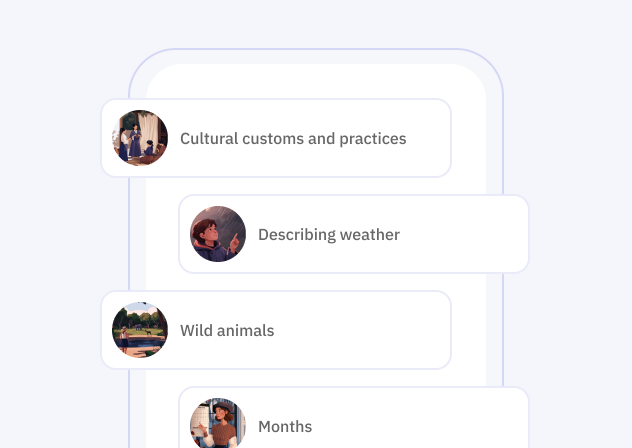
Chaque individu apprend d'une manière unique. Avec la technologie Talkpal , nous avons la possibilité d’examiner comment des millions de personnes apprennent simultanément et de concevoir les plateformes éducatives les plus efficaces, qui peuvent être personnalisées pour chaque étudiant.
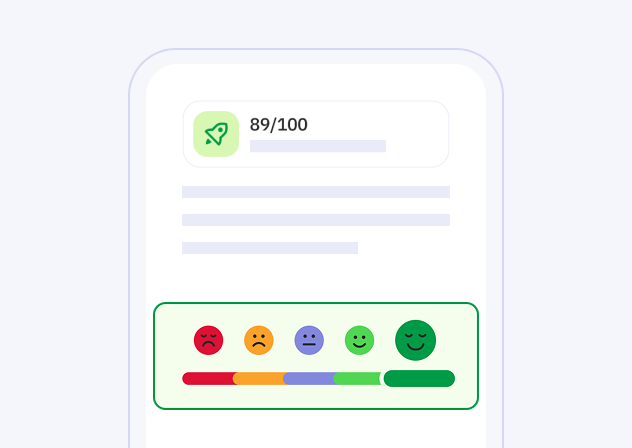
Recevez immédiatement des commentaires et des suggestions personnalisés pour accélérer votre maîtrise de la langue.
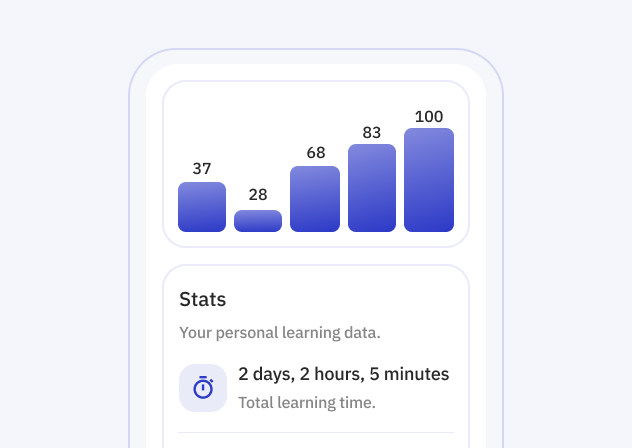
Apprenez avec des méthodes adaptées à votre style et à votre rythme, pour un apprentissage personnalisé et efficace de la langue.
Talkpal est ton prof de langues boosté à l'IA, dispo sur le web et sur mobile. Améliore vite ton niveau, discute de sujets super intéressants à l'écrit ou à l'oral, et reçois des messages vocaux ultra-réalistes où et quand tu veux.



_icon.svg)
Talkpal, Inc., 2810 N Church St, PMB 54222, Wilmington, Delaware 19802, US

