


Talkpal transforme l'IA en ton prof de langue perso



Le verbe anglais "treat" est un terme polyvalent qui peut être utilisé dans divers contextes pour exprimer différentes actions. De manière générale, "treat" signifie "traiter", "soigner" ou "manipuler" quelque chose ou quelqu'un d'une certaine manière. Il peut s'agir de traiter quelqu'un avec respect et considération, de soigner une maladie ou une blessure, ou encore de manipuler une situation ou un objet d'une certaine manière. En tant que verbe, "treat" implique une action intentionnelle et souvent bienveillante, où l'accent est mis sur la manière dont quelque chose ou quelqu'un est pris en charge ou géré. Ce mot est couramment utilisé dans des contextes médicaux, sociaux et même dans le domaine des affaires. Comprendre les différentes nuances du verbe "treat" est essentiel pour saisir pleinement son utilisation et son importance dans la langue anglaise.
She treated herself to a spa day after a long week at work.
The doctor treats patients with a variety of illnesses.
They are treating the new employee to lunch to welcome him to the team.
He treats his friends with great respect and kindness.
The company has treated its employees to a holiday bonus.
We should treat everyone equally, regardless of their background.
She was treated for her injuries at the hospital.
He will treat his family to a vacation next summer.
They treat their pets like members of the family.
After the argument, he decided to treat her to dinner to make amends.
I treat my friends well.
You treat the staff kindly.
He treats his dog with care.
She treats herself to a spa day.
It treats the symptoms effectively.
We treat everyone equally.
They treat us like family.
I treated my friends well.
You treated the staff kindly.
He treated his dog with care.
She treated herself to a spa day.
It treated the symptoms effectively.
We treated everyone equally.
They treated us like family.
I will treat my friends well.
You will treat the staff kindly.
He will treat his dog with care.
She will treat herself to a spa day.
It will treat the symptoms effectively.
We will treat everyone equally.
They will treat us like family.
I am treating my friends well.
You are treating the staff kindly.
He is treating his dog with care.
She is treating herself to a spa day.
It is treating the symptoms effectively.
We are treating everyone equally.
They are treating us like family.
I was treating my friends well.
You were treating the staff kindly.
He was treating his dog with care.
She was treating herself to a spa day.
It was treating the symptoms effectively.
We were treating everyone equally.
They were treating us like family.
I will be treating my friends well.
You will be treating the staff kindly.
He will be treating his dog with care.
She will be treating herself to a spa day.
It will be treating the symptoms effectively.
We will be treating everyone equally.
They will be treating us like family.
I have treated my friends well.
You have treated the staff kindly.
He has treated his dog with care.
She has treated herself to a spa day.
It has treated the symptoms effectively.
We have treated everyone equally.
They have treated us like family.
I had treated my friends well.
You had treated the staff kindly.
He had treated his dog with care.
She had treated herself to a spa day.
It had treated the symptoms effectively.
We had treated everyone equally.
They had treated us like family.
I will have treated my friends well.
You will have treated the staff kindly.
He will have treated his dog with care.
She will have treated herself to a spa day.
It will have treated the symptoms effectively.
We will have treated everyone equally.
They will have treated us like family.
The fun and effective way to learn a language with AI
Essaie Talkpal gratuitement Powered by Advanced AI
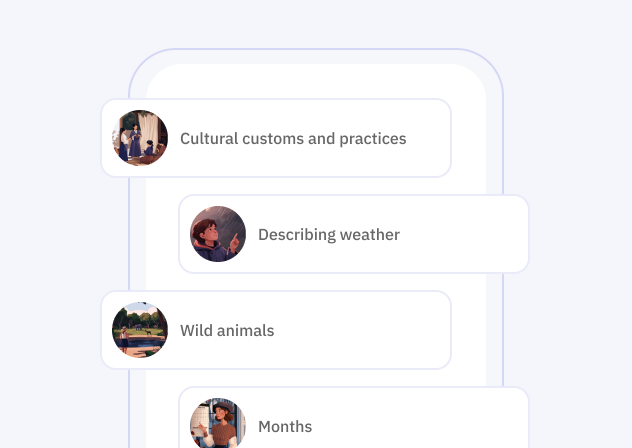
Chaque individu apprend d'une manière unique. Avec la technologie Talkpal , nous avons la possibilité d’examiner comment des millions de personnes apprennent simultanément et de concevoir les plateformes éducatives les plus efficaces, qui peuvent être personnalisées pour chaque étudiant.
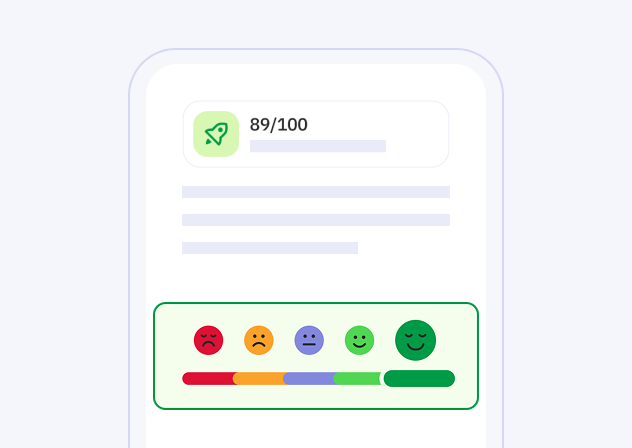
Recevez immédiatement des commentaires et des suggestions personnalisés pour accélérer votre maîtrise de la langue.
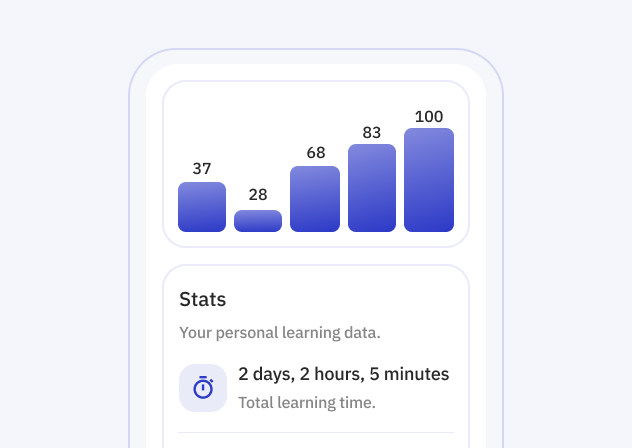
Apprenez avec des méthodes adaptées à votre style et à votre rythme, pour un apprentissage personnalisé et efficace de la langue.
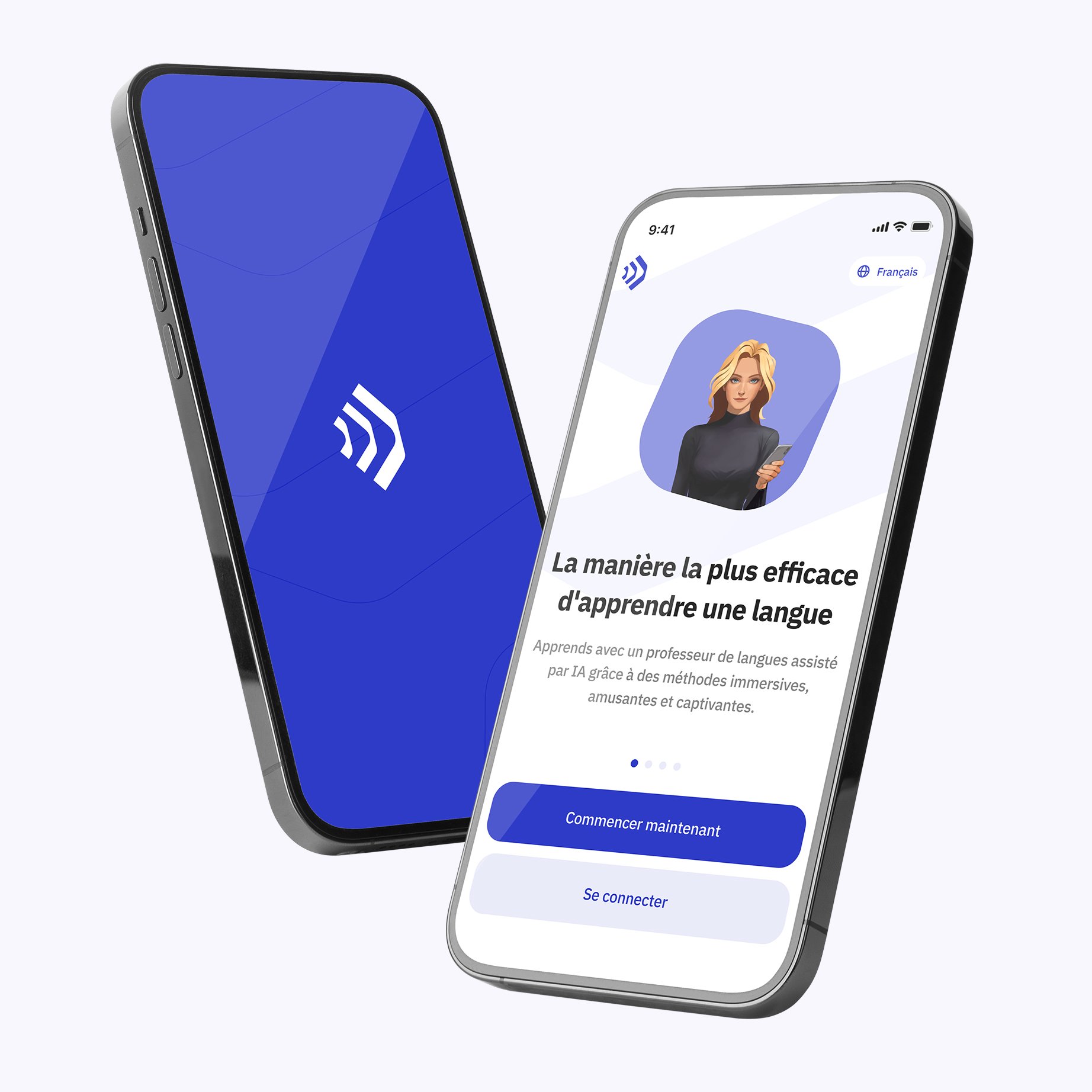
Talkpal est ton prof de langues boosté à l'IA, dispo sur le web et sur mobile. Améliore vite ton niveau, discute de sujets super intéressants à l'écrit ou à l'oral, et reçois des messages vocaux ultra-réalistes où et quand tu veux.


_icon.svg)
Talkpal, Inc., 2810 N Church St, PMB 54222, Wilmington, Delaware 19802, US

