


Talkpal transforme l'IA en ton prof de langue perso



Le verbe anglais "trace" est un terme polyvalent qui peut être utilisé dans divers contextes. Il provient du latin "tractare," signifiant "tirer" ou "traîner." En anglais contemporain, "trace" signifie principalement suivre la piste ou les traces de quelque chose ou quelqu'un, ou encore dessiner ou décrire les contours d'une forme. Il peut également se référer à l'action de rechercher l'origine ou l'historique de quelque chose. Utilisé fréquemment en sciences, en arts et en enquêtes, ce verbe est essentiel pour décrire des actions de suivi, de recherche et de représentation graphique.
She traced the outline of her hand on the paper.
The detective traces the footsteps back to the crime scene.
We need to trace the origins of this ancient artifact.
They have successfully traced the missing child's location.
Can you trace your family tree back to the 1800s?
He tracing the pattern with a pencil.
I traced the call to a number in New York.
The artist traces the design onto the canvas before painting.
She is tracing the history of the building for her research.
The scientist traced the source of the contamination to a nearby factory.
I trace the drawing.
You trace the lines.
He traces the map.
She traces the letters.
It traces a pattern.
We trace our steps.
They trace the origins.
I traced the design.
You traced the outline.
He traced the shape.
She traced the sketch.
It traced an arc.
We traced the route.
They traced the history.
I will trace the path.
You will trace the blueprint.
He will trace the outline.
She will trace the silhouette.
It will trace a curve.
We will trace the journey.
They will trace the ancestry.
I am tracing the image.
You are tracing the pattern.
He is tracing the diagram.
She is tracing the contour.
It is tracing a path.
We are tracing our steps.
They are tracing the lineage.
I was tracing the sketch.
You were tracing the draft.
He was tracing the form.
She was tracing the outline.
It was tracing a line.
We were tracing the map.
They were tracing the origin.
I will be tracing the figure.
You will be tracing the design.
He will be tracing the layout.
She will be tracing the shape.
It will be tracing a path.
We will be tracing the diagram.
They will be tracing the history.
I have traced the outline.
You have traced the plan.
He has traced the path.
She has traced the sketch.
It has traced a route.
We have traced the steps.
They have traced the history.
I had traced the diagram.
You had traced the form.
He had traced the silhouette.
She had traced the outline.
It had traced a line.
We had traced the blueprint.
They had traced the origin.
I will have traced the pattern.
You will have traced the draft.
He will have traced the design.
She will have traced the diagram.
It will have traced a path.
We will have traced the steps.
They will have traced the journey.
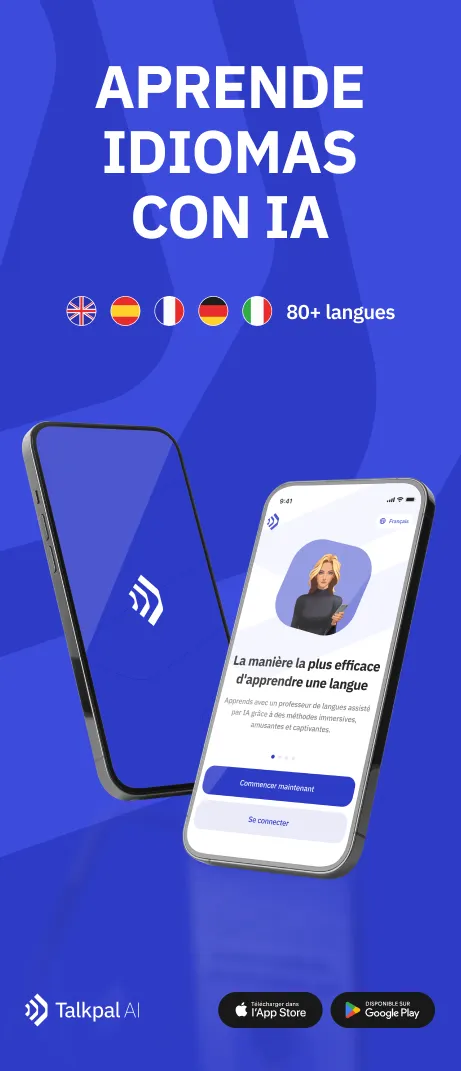
La façon la plus efficace d’apprendre une langue
Essaie Talkpal gratuitement l'IA la plus avancée
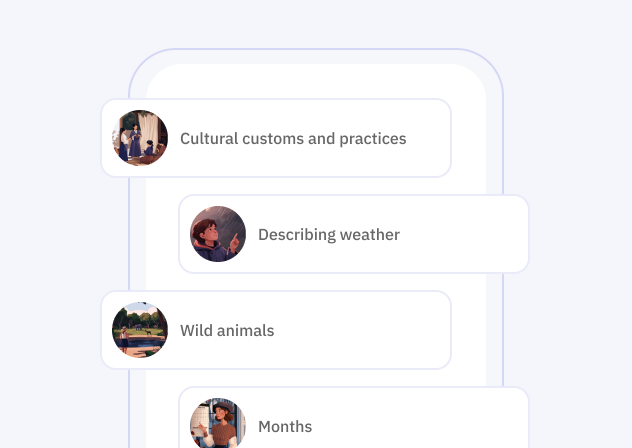
Chaque individu apprend d'une manière unique. Avec la technologie Talkpal , nous avons la possibilité d’examiner comment des millions de personnes apprennent simultanément et de concevoir les plateformes éducatives les plus efficaces, qui peuvent être personnalisées pour chaque étudiant.
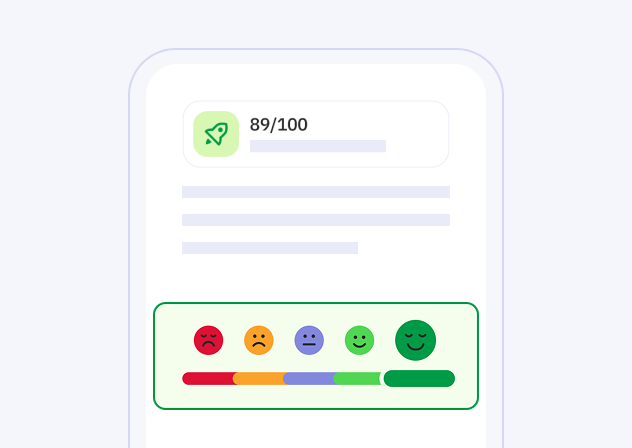
Recevez immédiatement des commentaires et des suggestions personnalisés pour accélérer votre maîtrise de la langue.
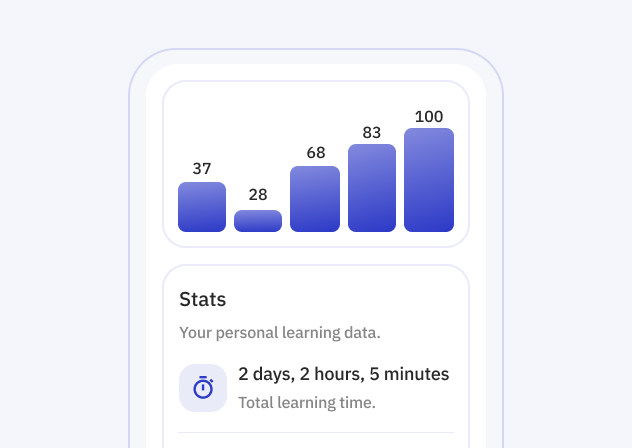
Apprenez avec des méthodes adaptées à votre style et à votre rythme, pour un apprentissage personnalisé et efficace de la langue.
Talkpal est ton prof de langues boosté à l'IA, dispo sur le web et sur mobile. Améliore vite ton niveau, discute de sujets super intéressants à l'écrit ou à l'oral, et reçois des messages vocaux ultra-réalistes où et quand tu veux.



_icon.svg)
Talkpal, Inc., 2810 N Church St, Wilmington, Delaware 19802, US
© 2026 Tous droits réservés.

