


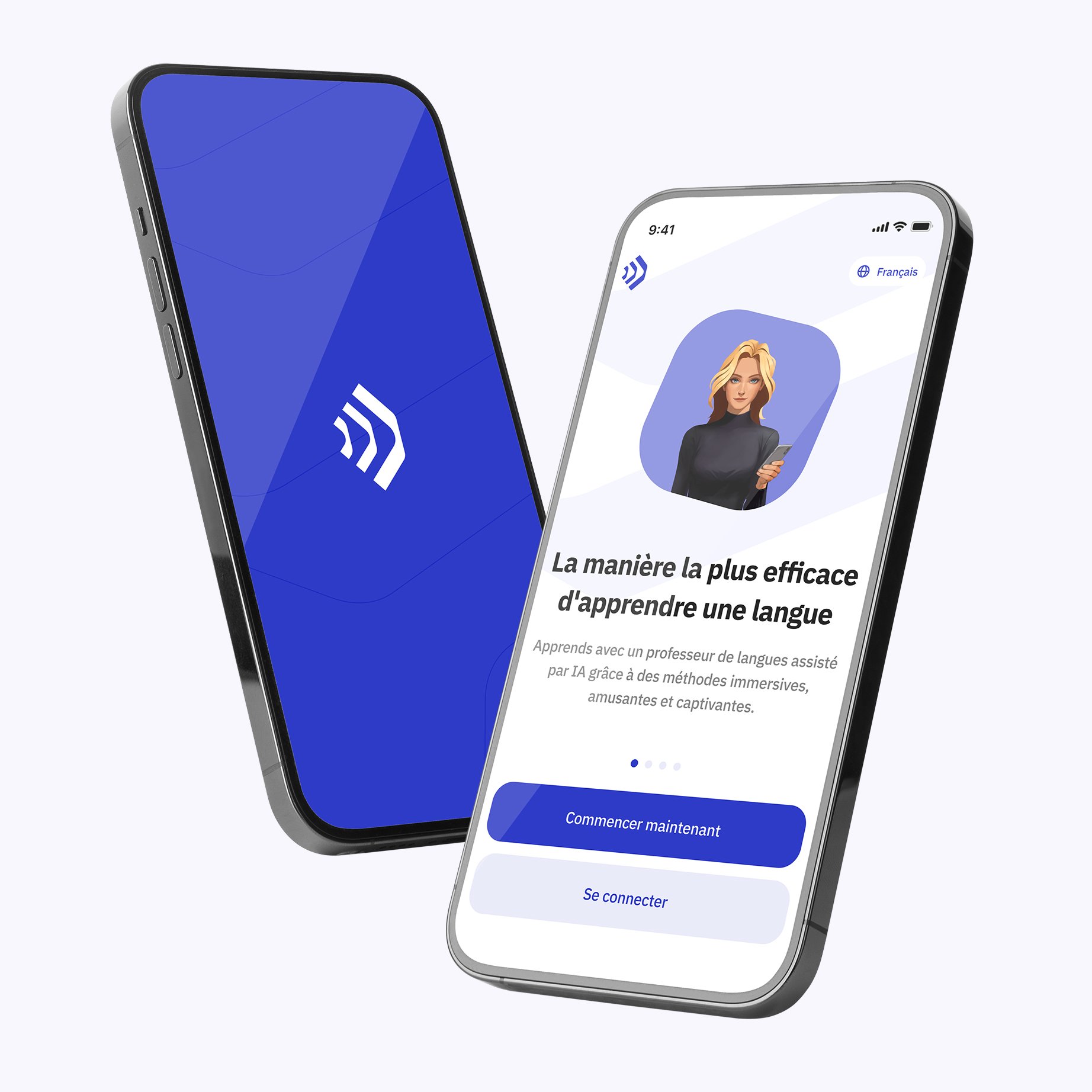
Talkpal transforme l'IA en ton prof de langue perso



Le verbe "to solve" en anglais est couramment utilisé pour exprimer l'action de trouver une solution à un problème, une énigme ou une situation difficile. En français, il se traduit généralement par "résoudre". Ce verbe appartient à la catégorie des verbes d'action, indiquant un processus mental ou pratique par lequel on parvient à démêler une question complexe ou à surmonter un obstacle. La définition du verbe "solve" peut être résumée comme suit : "trouver une réponse ou une explication à un problème, une question ou une difficulté". Il s'agit d'un terme essentiel dans divers contextes, notamment en mathématiques, en sciences, en informatique, ainsi que dans la vie quotidienne, où il peut se rapporter à la résolution de conflits, de mystères ou de défis divers. Comprendre et utiliser le verbe "solve" est fondamental pour quiconque apprend l'anglais, car il reflète une compétence clé : la capacité à analyser une situation et à élaborer une solution efficace.
She finally solved the complex math problem.
We are trying to solve this puzzle before dinner.
The detective solves crimes with remarkable speed.
He has solved many riddles in his lifetime.
They will solve the mystery sooner or later.
By collaborating, we can solve this issue more effectively.
After hours of discussion, they solved their differences.
The software solves computational problems efficiently.
She is solving a challenging crossword puzzle right now.
Once we solve this, everything will be much clearer.
I solve the puzzle.
You solve the problem.
He solves the equation.
She solves the mystery.
It solves the issue.
We solve the challenges.
They solve the riddles.
I solved the puzzle yesterday.
You solved the problem last night.
He solved the equation this morning.
She solved the mystery last week.
It solved the issue a moment ago.
We solved the challenges together.
They solved the riddles quickly.
I will solve the puzzle tomorrow.
You will solve the problem soon.
He will solve the equation later.
She will solve the mystery eventually.
It will solve the issue shortly.
We will solve the challenges ahead.
They will solve the riddles later on.
I am solving the puzzle right now.
You are solving the problem at the moment.
He is solving the equation currently.
She is solving the mystery as we speak.
It is solving the issue right now.
We are solving the challenges together.
They are solving the riddles at this very moment.
I was solving the puzzle when you called.
You were solving the problem all night.
He was solving the equation earlier.
She was solving the mystery all day.
It was solving the issue for hours.
We were solving the challenges together yesterday.
They were solving the riddles when I arrived.
I will be solving the puzzle by then.
You will be solving the problem tomorrow.
He will be solving the equation later.
She will be solving the mystery soon.
It will be solving the issue soon enough.
We will be solving the challenges next week.
They will be solving the riddles by evening.
I have solved the puzzle.
You have solved the problem.
He has solved the equation.
She has solved the mystery.
It has solved the issue.
We have solved the challenges.
They have solved the riddles.
I had solved the puzzle before you arrived.
You had solved the problem before the meeting.
He had solved the equation before the exam.
She had solved the mystery before the reveal.
It had solved the issue before it escalated.
We had solved the challenges by then.
They had solved the riddles before the party.
I will have solved the puzzle by tomorrow.
You will have solved the problem by then.
He will have solved the equation by next week.
She will have solved the mystery by the end of the day.
It will have solved the issue by then.
We will have solved the challenges by next month.
They will have solved the riddles by the time you arrive.
The fun and effective way to learn a language with AI
Essaie Talkpal gratuitement Powered by Advanced AI
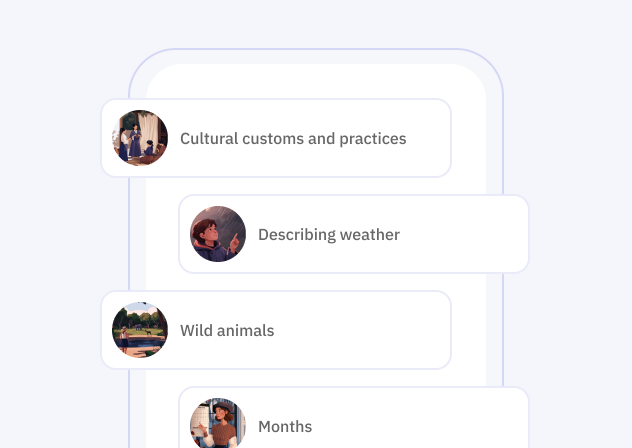
Chaque individu apprend d'une manière unique. Avec la technologie Talkpal , nous avons la possibilité d’examiner comment des millions de personnes apprennent simultanément et de concevoir les plateformes éducatives les plus efficaces, qui peuvent être personnalisées pour chaque étudiant.
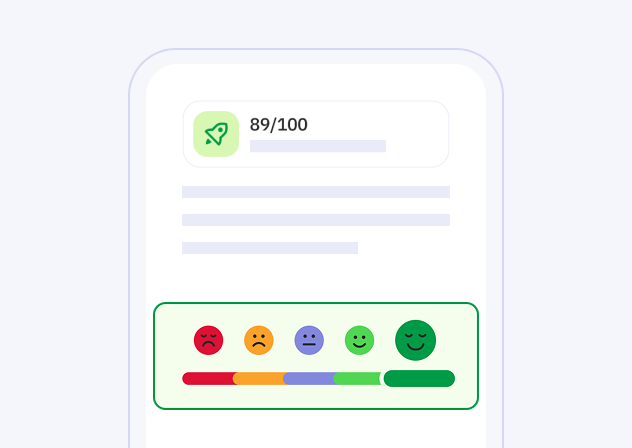
Recevez immédiatement des commentaires et des suggestions personnalisés pour accélérer votre maîtrise de la langue.
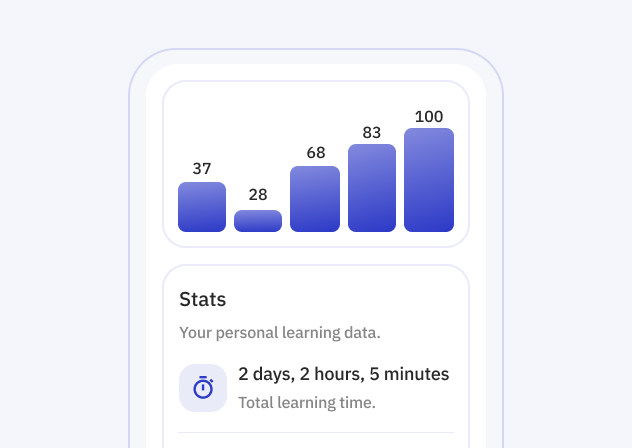
Apprenez avec des méthodes adaptées à votre style et à votre rythme, pour un apprentissage personnalisé et efficace de la langue.
Talkpal est ton prof de langues boosté à l'IA, dispo sur le web et sur mobile. Améliore vite ton niveau, discute de sujets super intéressants à l'écrit ou à l'oral, et reçois des messages vocaux ultra-réalistes où et quand tu veux.


_icon.svg)
Talkpal, Inc., 2810 N Church St, PMB 54222, Wilmington, Delaware 19802, US

