


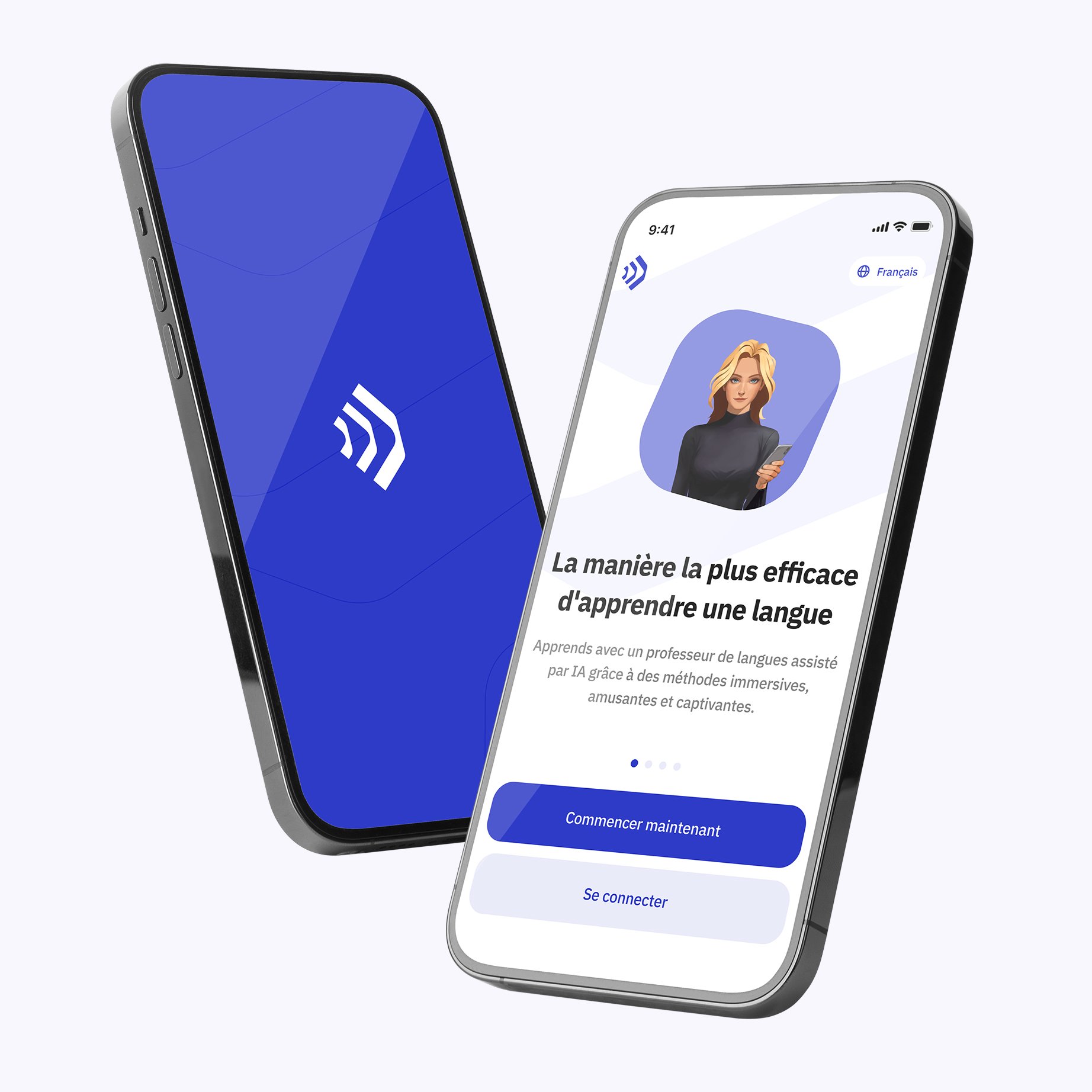
Talkpal transforme l'IA en ton prof de langue perso



Le verbe anglais "plaster" est un terme intéressant qui peut avoir plusieurs significations en fonction du contexte dans lequel il est utilisé. De manière générale, "plaster" signifie "enduire" ou "plâtrer". Ce verbe est souvent employé dans le domaine de la construction et du bricolage, où il désigne l'action d'appliquer du plâtre ou une autre substance similaire sur une surface pour la lisser, la renforcer ou la décorer. Toutefois, "plaster" peut également être utilisé de manière figurative pour décrire l'acte de couvrir quelque chose de manière abondante ou excessive, ou encore de coller quelque chose sur une surface, comme une affiche sur un mur. Ce verbe polyvalent est donc utile dans diverses situations, tant pratiques que métaphoriques.
He plastered the cracks in the wall before painting it.
The children plaster colorful stickers all over their notebooks.
She plastering the wound with a bandage to stop the bleeding.
They plaster the announcement posters all over the campus.
The construction worker plastered the ceiling to give it a smooth finish.
We need to plaster the bulletin board with flyers about the event.
He plastered his hair down with gel for a sleek look.
They plastering the walls with graffiti was against the law.
She plasters sunscreen on her face before heading to the beach.
The artist plastered the canvas with layers of paint to create texture.
I plaster the wall.
You plaster the wall.
He plasters the wall.
She plasters the wall.
It plasters the wall.
We plaster the wall.
They plaster the wall.
I plastered the wall.
You plastered the wall.
He plastered the wall.
She plastered the wall.
It plastered the wall.
We plastered the wall.
They plastered the wall.
I will plaster the wall.
You will plaster the wall.
He will plaster the wall.
She will plaster the wall.
It will plaster the wall.
We will plaster the wall.
They will plaster the wall.
I am plastering the wall.
You are plastering the wall.
He is plastering the wall.
She is plastering the wall.
It is plastering the wall.
We are plastering the wall.
They are plastering the wall.
I was plastering the wall.
You were plastering the wall.
He was plastering the wall.
She was plastering the wall.
It was plastering the wall.
We were plastering the wall.
They were plastering the wall.
I will be plastering the wall.
You will be plastering the wall.
He will be plastering the wall.
She will be plastering the wall.
It will be plastering the wall.
We will be plastering the wall.
They will be plastering the wall.
I have plastered the wall.
You have plastered the wall.
He has plastered the wall.
She has plastered the wall.
It has plastered the wall.
We have plastered the wall.
They have plastered the wall.
I had plastered the wall.
You had plastered the wall.
He had plastered the wall.
She had plastered the wall.
It had plastered the wall.
We had plastered the wall.
They had plastered the wall.
I will have plastered the wall.
You will have plastered the wall.
He will have plastered the wall.
She will have plastered the wall.
It will have plastered the wall.
We will have plastered the wall.
They will have plastered the wall.
I would plaster the wall.
You would plaster the wall.
He would plaster the wall.
She would plaster the wall.
It would plaster the wall.
We would plaster the wall.
They would plaster the wall.
I would have plastered the wall.
You would have plastered the wall.
He would have plastered the wall.
She would have plastered the wall.
It would have plastered the wall.
We would have plastered the wall.
They would have plastered the wall.
La façon la plus efficace d’apprendre une langue
Essaie Talkpal gratuitement l'IA la plus avancée
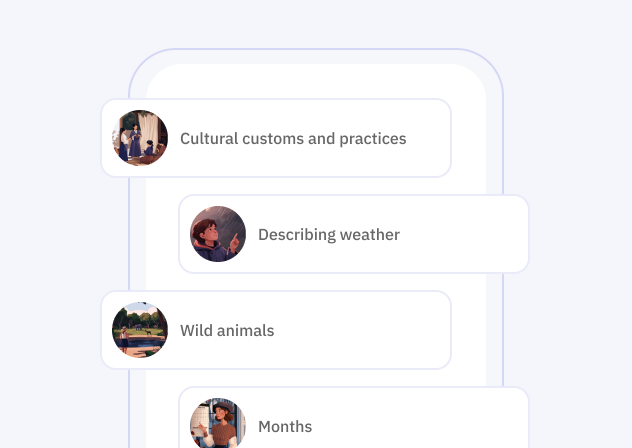
Chaque individu apprend d'une manière unique. Avec la technologie Talkpal , nous avons la possibilité d’examiner comment des millions de personnes apprennent simultanément et de concevoir les plateformes éducatives les plus efficaces, qui peuvent être personnalisées pour chaque étudiant.
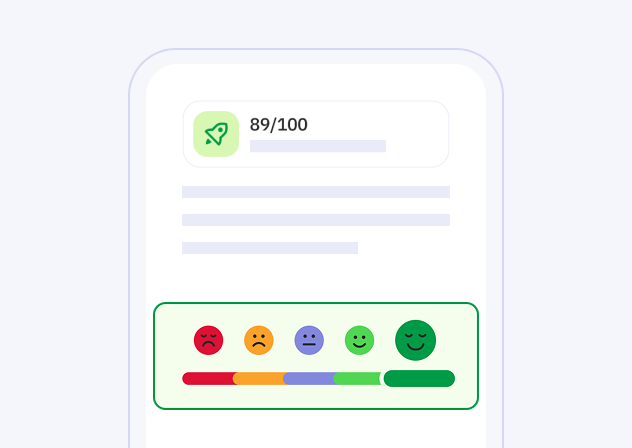
Recevez immédiatement des commentaires et des suggestions personnalisés pour accélérer votre maîtrise de la langue.
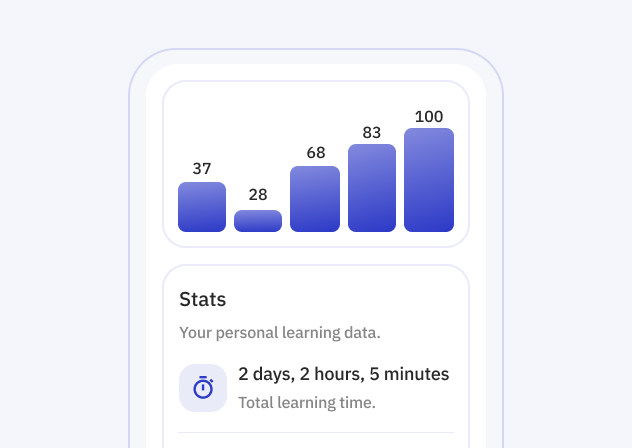
Apprenez avec des méthodes adaptées à votre style et à votre rythme, pour un apprentissage personnalisé et efficace de la langue.
Talkpal est ton prof de langues boosté à l'IA, dispo sur le web et sur mobile. Améliore vite ton niveau, discute de sujets super intéressants à l'écrit ou à l'oral, et reçois des messages vocaux ultra-réalistes où et quand tu veux.


_icon.svg)
Talkpal, Inc., 2810 N Church St, PMB 54222, Wilmington, Delaware 19802, US

