


Talkpal transforme l'IA en ton prof de langue perso



Le verbe anglais "to notice" est un terme couramment utilisé dans la langue anglaise qui signifie "remarquer" ou "apercevoir". Il est employé pour indiquer que quelqu'un prend conscience de quelque chose ou observe quelque chose de particulier. Ce verbe est essentiel pour exprimer le fait de prêter attention à des détails ou à des événements spécifiques dans son environnement. "To notice" peut être utilisé dans divers contextes, qu'il s'agisse de noter une petite différence, de percevoir une nouvelle information ou simplement de reconnaître la présence de quelque chose ou de quelqu'un.
I noticed a strange noise coming from the attic.
Did you notice the new painting in the hallway?
She has noticed a significant improvement in her health.
We couldn't help but notice the beautiful sunset.
He will notice if you make any changes to the document.
Have you noticed the way she smiles when she's happy?
The teacher notices when students are not paying attention.
They noticed a drop in sales last quarter.
I would notice if something was wrong.
You should notice the warning signs before it's too late.
I notice the changes.
You notice the details.
He notices the mistake.
She notices the pattern.
It notices the difference.
We notice the signs.
They notice the trend.
I noticed the error.
You noticed the change.
He noticed the problem.
She noticed the improvement.
It noticed the fault.
We noticed the difference.
They noticed the issue.
I will notice the signs.
You will notice the changes.
He will notice the improvement.
She will notice the details.
It will notice the difference.
We will notice the trend.
They will notice the pattern.
I am noticing the changes.
You are noticing the details.
He is noticing the mistake.
She is noticing the pattern.
It is noticing the difference.
We are noticing the signs.
They are noticing the trend.
I was noticing the signs.
You were noticing the changes.
He was noticing the improvement.
She was noticing the details.
It was noticing the difference.
We were noticing the trend.
They were noticing the pattern.
I will be noticing the changes.
You will be noticing the details.
He will be noticing the mistake.
She will be noticing the pattern.
It will be noticing the difference.
We will be noticing the signs.
They will be noticing the trend.
I have noticed the changes.
You have noticed the details.
He has noticed the mistake.
She has noticed the pattern.
It has noticed the difference.
We have noticed the signs.
They have noticed the trend.
I had noticed the signs.
You had noticed the changes.
He had noticed the improvement.
She had noticed the details.
It had noticed the difference.
We had noticed the trend.
They had noticed the pattern.
I will have noticed the changes.
You will have noticed the details.
He will have noticed the mistake.
She will have noticed the pattern.
It will have noticed the difference.
We will have noticed the signs.
They will have noticed the trend.
The fun and effective way to learn a language with AI
Essaie Talkpal gratuitement Powered by Advanced AI
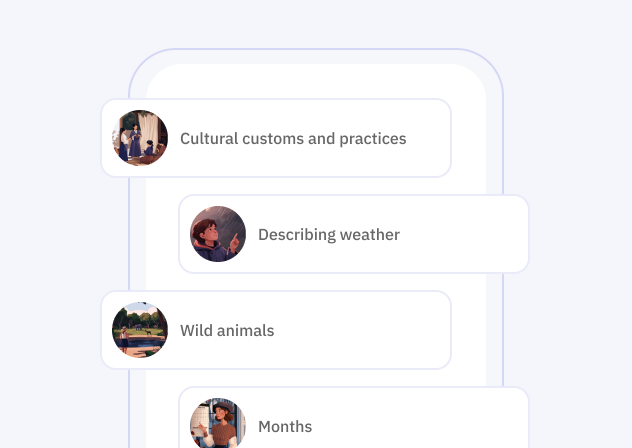
Chaque individu apprend d'une manière unique. Avec la technologie Talkpal , nous avons la possibilité d’examiner comment des millions de personnes apprennent simultanément et de concevoir les plateformes éducatives les plus efficaces, qui peuvent être personnalisées pour chaque étudiant.
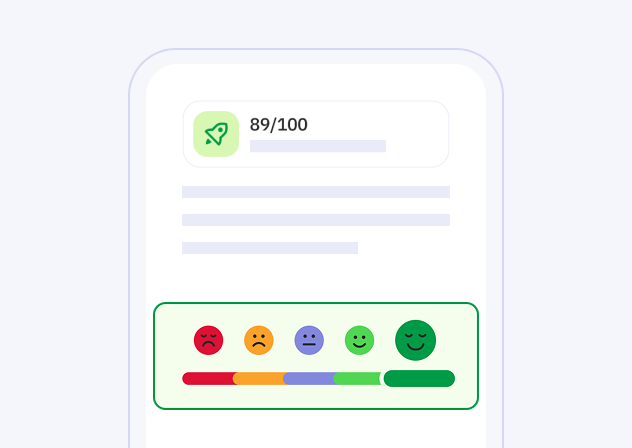
Recevez immédiatement des commentaires et des suggestions personnalisés pour accélérer votre maîtrise de la langue.
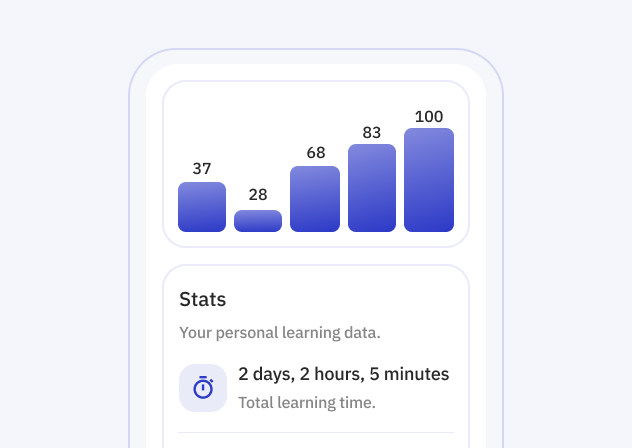
Apprenez avec des méthodes adaptées à votre style et à votre rythme, pour un apprentissage personnalisé et efficace de la langue.
Talkpal est ton prof de langues boosté à l'IA, dispo sur le web et sur mobile. Améliore vite ton niveau, discute de sujets super intéressants à l'écrit ou à l'oral, et reçois des messages vocaux ultra-réalistes où et quand tu veux.



_icon.svg)
Talkpal, Inc., 2810 N Church St, PMB 54222, Wilmington, Delaware 19802, US

