


Talkpal transforme l'IA en ton prof de langue perso



Le verbe anglais "make" est un terme fondamental et polyvalent dans la langue anglaise, souvent enseigné aux débutants en raison de son importance et de sa fréquence d'utilisation. Sa signification principale est "faire" ou "fabriquer", mais il peut également prendre de nombreuses autres nuances selon le contexte dans lequel il est utilisé. Le verbe "make" peut ainsi signifier créer, produire, causer, ou encore forcer. Il est souvent employé dans des expressions idiomatiques et des phrasal verbs, ce qui en fait un élément clé pour comprendre et maîtriser l'anglais courant.
She always makes the best chocolate cake.
Can you make sure the door is locked?
They made a lot of noise during the party.
We need to make a decision by tomorrow.
The children are making crafts for the school fair.
He had made plans to go hiking this weekend.
She is making a quilt from old T-shirts.
Did you make reservations for dinner?
The team has made significant progress this year.
They will make an announcement soon.
I make coffee every morning.
You make great pasta.
He makes a lot of noise.
She makes beautiful art.
It makes no sense.
We make plans every weekend.
They make a good team.
I made a cake yesterday.
You made a big decision.
He made a mistake.
She made a promise.
It made a difference.
We made a reservation.
They made an announcement.
I will make dinner tonight.
You will make a good impression.
He will make a decision soon.
She will make a speech.
It will make a difference.
We will make a plan.
They will make an effort.
I am making dinner now.
You are making progress.
He is making a phone call.
She is making a list.
It is making a sound.
We are making arrangements.
They are making a decision.
I was making breakfast when you called.
You were making a point.
He was making a sandwich.
She was making a dress.
It was making a noise.
We were making plans.
They were making a difference.
I will be making dinner at 7 PM.
You will be making a speech tomorrow.
He will be making a decision soon.
She will be making a presentation.
It will be making a sound.
We will be making progress.
They will be making an effort.
I have made a decision.
You have made a mistake.
He has made a promise.
She has made a new friend.
It has made a difference.
We have made a change.
They have made an effort.
I had made a mistake before I realized it.
You had made a good point.
He had made a decision.
She had made a plan.
It had made a sound.
We had made an agreement.
They had made a commitment.
I will have made dinner by 8 PM.
You will have made a decision by then.
He will have made a speech by the end of the day.
She will have made a list by tomorrow.
It will have made a difference by then.
We will have made progress by next week.
They will have made a change by the end of the month.
I would make dinner if I had time.
You would make a great teacher.
He would make a decision if he knew more.
She would make a good leader.
It would make a difference.
We would make a plan if we had more information.
They would make an effort if it mattered.
I would have made a cake if I had known.
You would have made a decision by now.
He would have made a call if he had the number.
She would have made a difference if she had tried.
It would have made sense if it was explained.
We would have made plans if we had time.
They would have made an effort if they cared.
The fun and effective way to learn a language with AI
Essaie Talkpal gratuitement Powered by Advanced AI
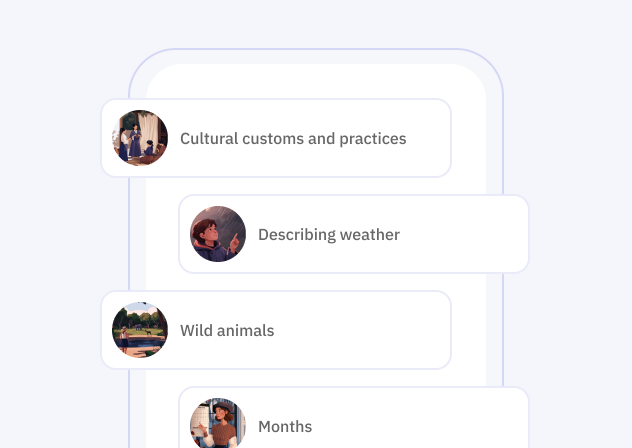
Chaque individu apprend d'une manière unique. Avec la technologie Talkpal , nous avons la possibilité d’examiner comment des millions de personnes apprennent simultanément et de concevoir les plateformes éducatives les plus efficaces, qui peuvent être personnalisées pour chaque étudiant.
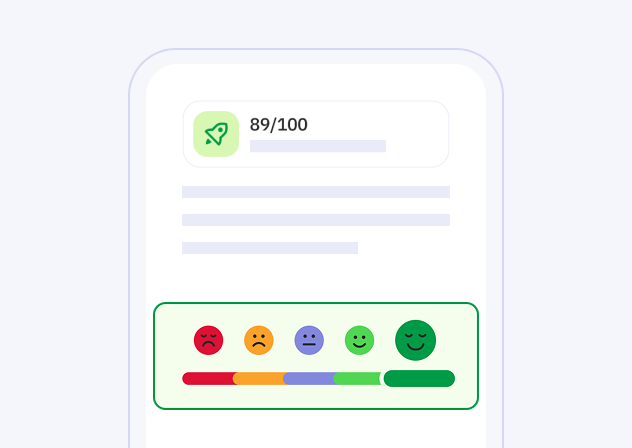
Recevez immédiatement des commentaires et des suggestions personnalisés pour accélérer votre maîtrise de la langue.
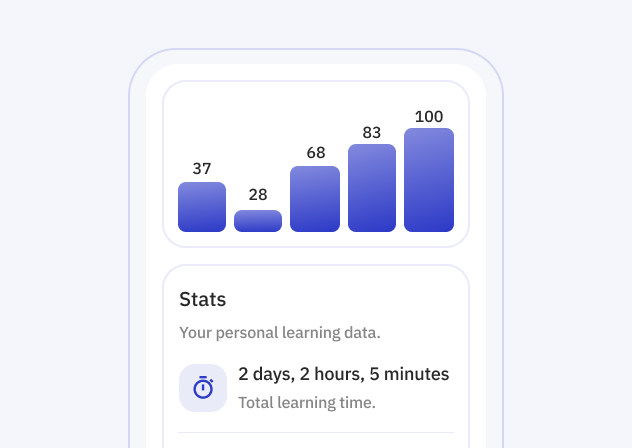
Apprenez avec des méthodes adaptées à votre style et à votre rythme, pour un apprentissage personnalisé et efficace de la langue.
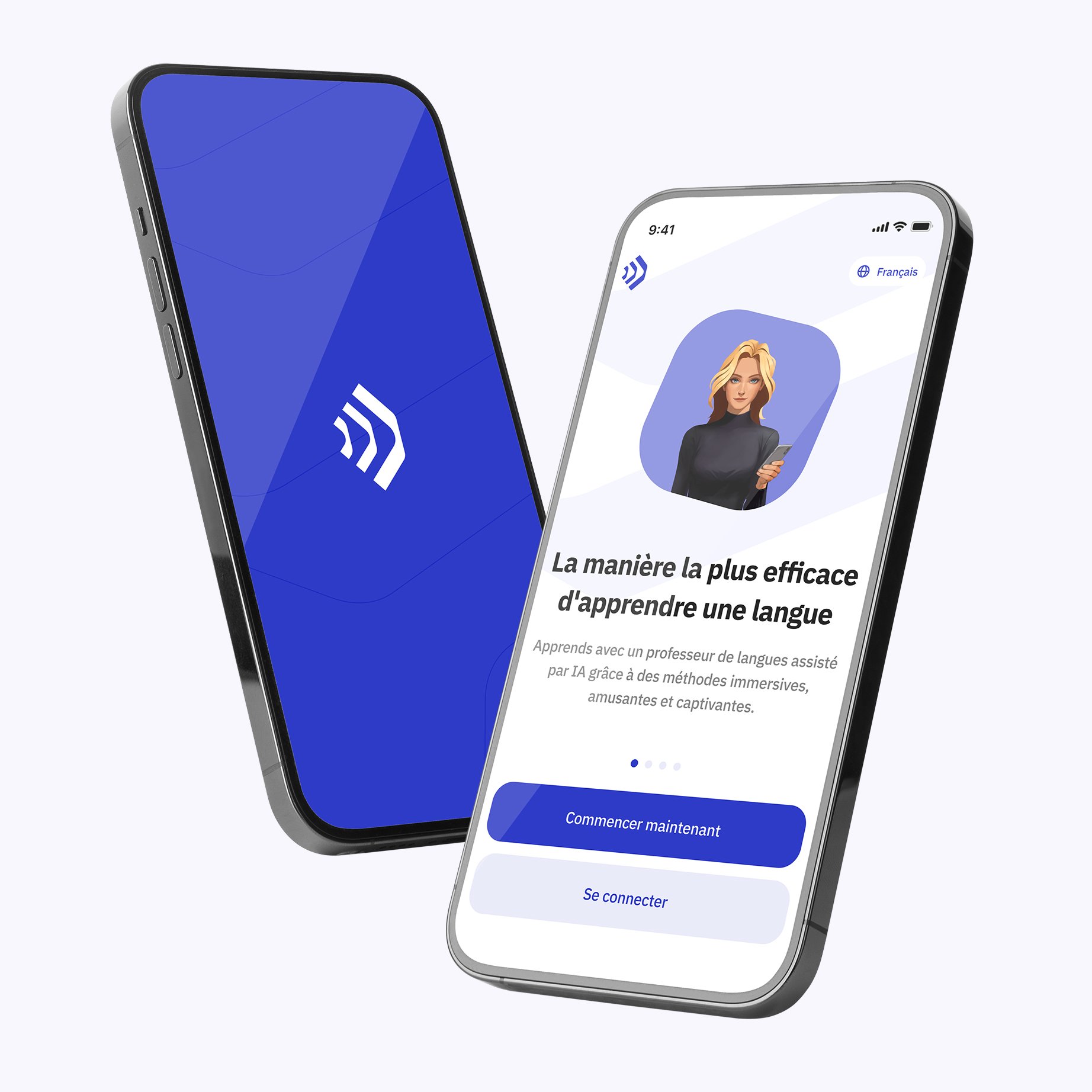
Talkpal est ton prof de langues boosté à l'IA, dispo sur le web et sur mobile. Améliore vite ton niveau, discute de sujets super intéressants à l'écrit ou à l'oral, et reçois des messages vocaux ultra-réalistes où et quand tu veux.


_icon.svg)
Talkpal, Inc., 2810 N Church St, PMB 54222, Wilmington, Delaware 19802, US

