


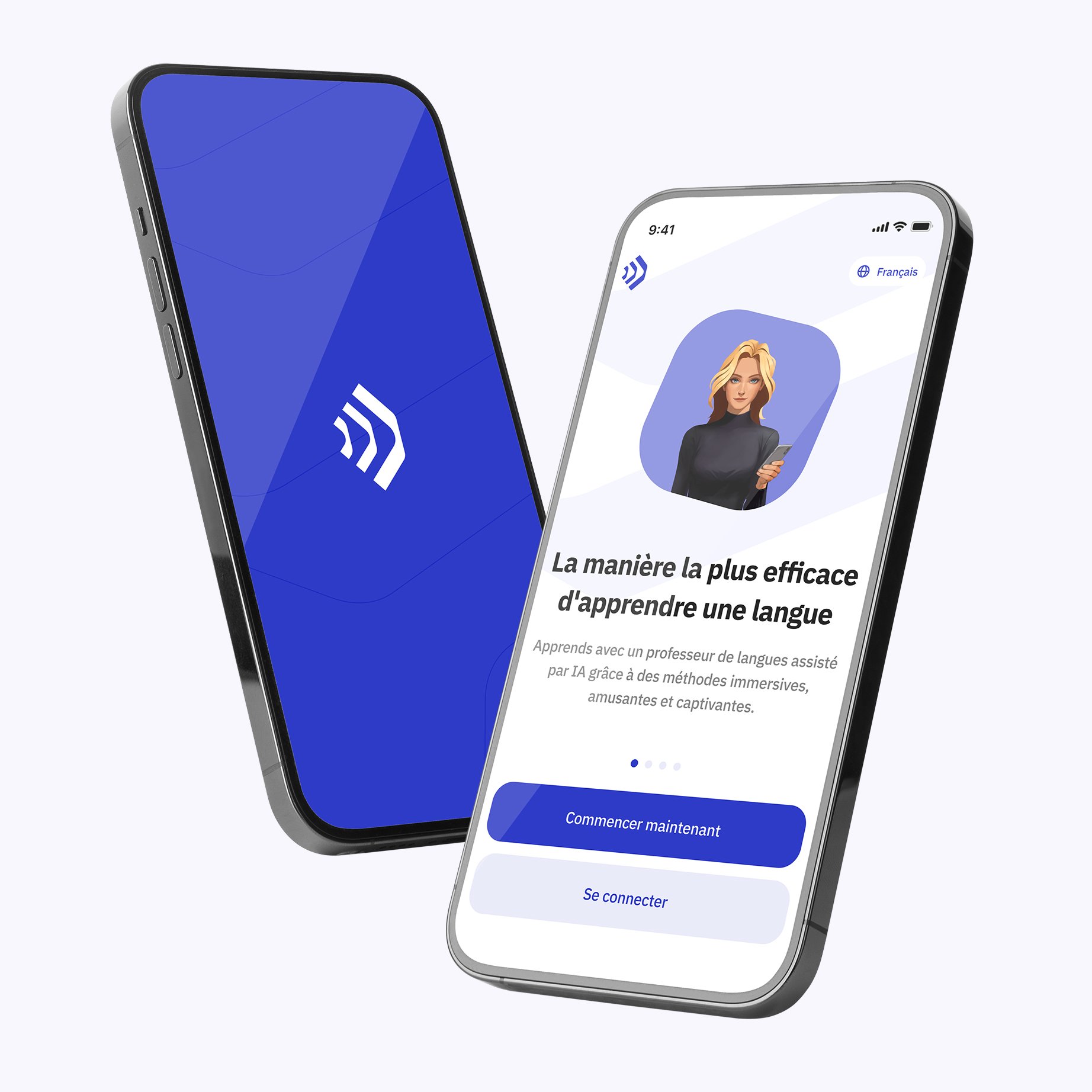
Talkpal transforme l'IA en ton prof de langue perso



Le verbe "form" en anglais est un verbe d'action qui signifie "donner une forme à quelque chose" ou "créer quelque chose en assemblant des éléments". Il est utilisé pour décrire le processus de structuration, de modelage ou de constitution d'un objet, d'une idée ou d'un groupe. Ce verbe est couramment employé dans divers contextes, allant des sciences physiques à la gestion de projets, en passant par les arts et les relations humaines. Comprendre l'usage et les nuances de "form" est essentiel pour maîtriser la langue anglaise, car il s'agit d'un mot polyvalent qui apparaît fréquemment dans des conversations et des écrits de différentes natures.
The artist forms beautiful sculptures out of clay.
She formed a plan to improve the team's performance.
Clouds formed on the horizon, signaling an approaching storm.
They decided to form a committee to address the issue.
The ice formed a thin layer over the lake overnight.
We need to form a strategy to tackle the problem effectively.
The children formed a circle and held hands.
His experiences formed the basis of his successful career.
The river forms a natural boundary between the two countries.
She forms her opinions based on careful consideration of the facts.
I form a plan.
You form an idea.
He forms a sentence.
She forms a strategy.
It forms a pattern.
We form a group.
They form a team.
I formed a plan.
You formed an idea.
He formed a sentence.
She formed a strategy.
It formed a pattern.
We formed a group.
They formed a team.
I will form a plan.
You will form an idea.
He will form a sentence.
She will form a strategy.
It will form a pattern.
We will form a group.
They will form a team.
I am forming a plan.
You are forming an idea.
He is forming a sentence.
She is forming a strategy.
It is forming a pattern.
We are forming a group.
They are forming a team.
I was forming a plan.
You were forming an idea.
He was forming a sentence.
She was forming a strategy.
It was forming a pattern.
We were forming a group.
They were forming a team.
I will be forming a plan.
You will be forming an idea.
He will be forming a sentence.
She will be forming a strategy.
It will be forming a pattern.
We will be forming a group.
They will be forming a team.
I have formed a plan.
You have formed an idea.
He has formed a sentence.
She has formed a strategy.
It has formed a pattern.
We have formed a group.
They have formed a team.
I had formed a plan.
You had formed an idea.
He had formed a sentence.
She had formed a strategy.
It had formed a pattern.
We had formed a group.
They had formed a team.
I will have formed a plan.
You will have formed an idea.
He will have formed a sentence.
She will have formed a strategy.
It will have formed a pattern.
We will have formed a group.
They will have formed a team.
I have been forming a plan.
You have been forming an idea.
He has been forming a sentence.
She has been forming a strategy.
It has been forming a pattern.
We have been forming a group.
They have been forming a team.
I had been forming a plan.
You had been forming an idea.
He had been forming a sentence.
She had been forming a strategy.
It had been forming a pattern.
We had been forming a group.
They had been forming a team.
I will have been forming a plan.
You will have been forming an idea.
He will have been forming a sentence.
She will have been forming a strategy.
It will have been forming a pattern.
We will have been forming a group.
They will have been forming a team.
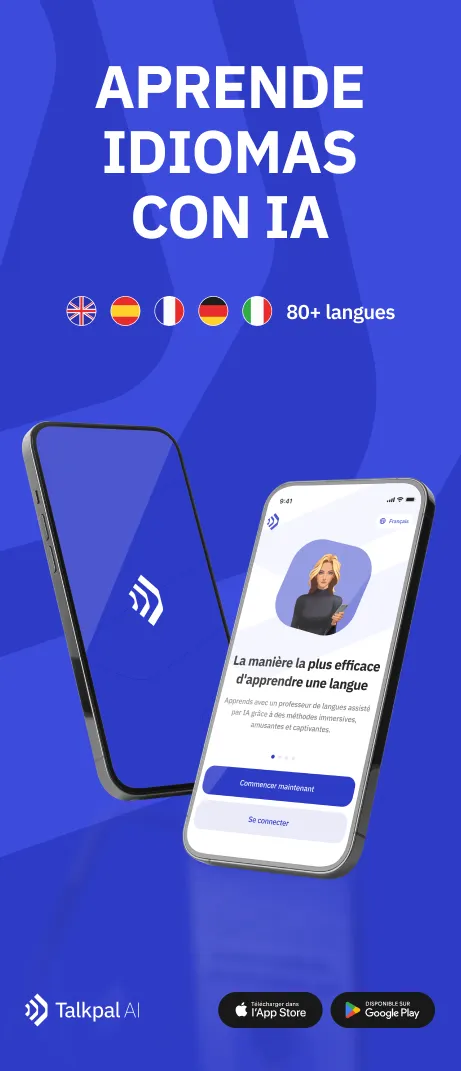
The fun and effective way to learn a language with AI
Essaie Talkpal gratuitement Powered by Advanced AI
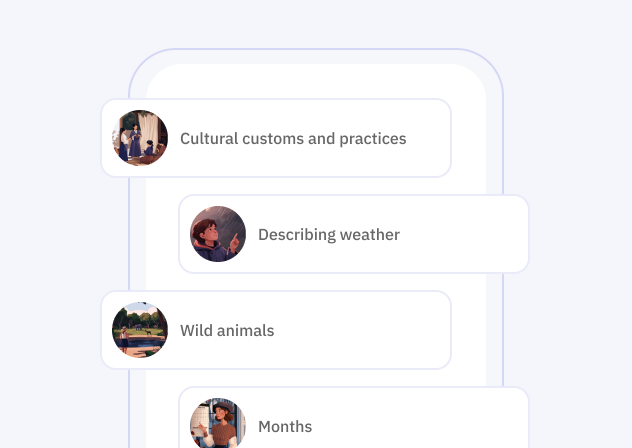
Chaque individu apprend d'une manière unique. Avec la technologie Talkpal , nous avons la possibilité d’examiner comment des millions de personnes apprennent simultanément et de concevoir les plateformes éducatives les plus efficaces, qui peuvent être personnalisées pour chaque étudiant.
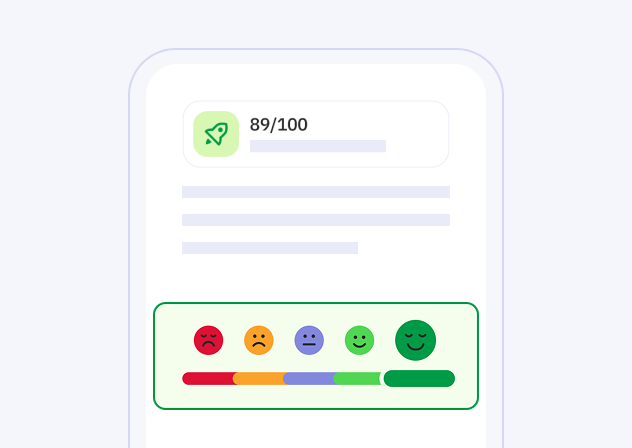
Recevez immédiatement des commentaires et des suggestions personnalisés pour accélérer votre maîtrise de la langue.
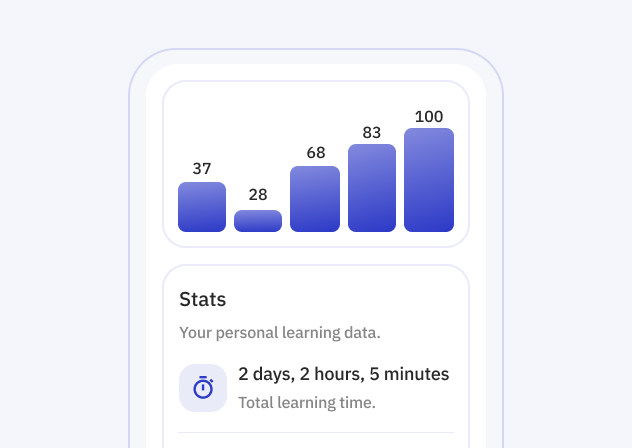
Apprenez avec des méthodes adaptées à votre style et à votre rythme, pour un apprentissage personnalisé et efficace de la langue.
Talkpal est ton prof de langues boosté à l'IA, dispo sur le web et sur mobile. Améliore vite ton niveau, discute de sujets super intéressants à l'écrit ou à l'oral, et reçois des messages vocaux ultra-réalistes où et quand tu veux.


_icon.svg)
Talkpal, Inc., 2810 N Church St, PMB 54222, Wilmington, Delaware 19802, US

