


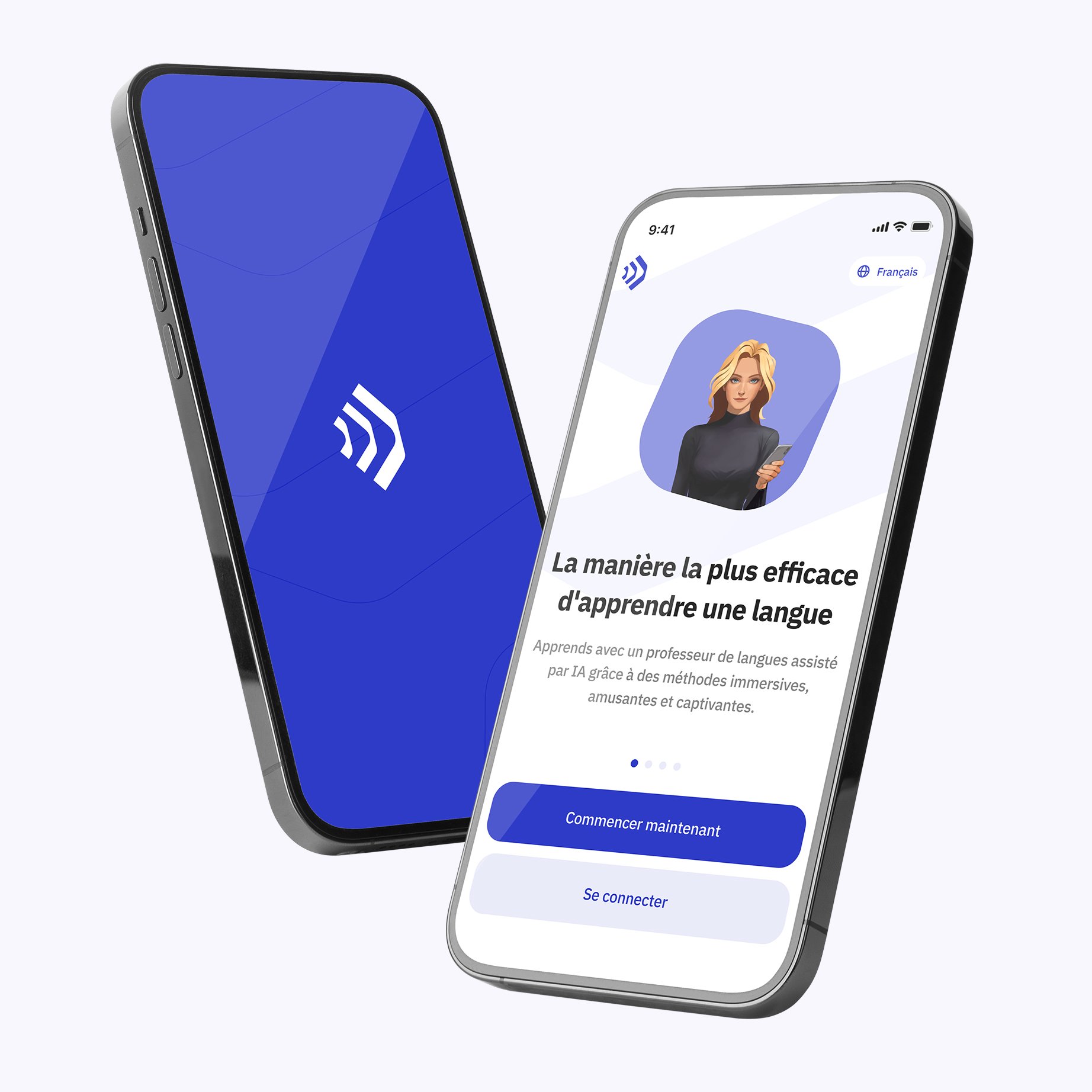
Talkpal transforme l'IA en ton prof de langue perso



Le verbe anglais "dock" est un terme polyvalent qui peut être utilisé dans plusieurs contextes différents. À l'origine, "dock" signifie "amarrer" ou "accoster" en référence aux bateaux et aux navires qui arrivent à un quai ou une jetée. Cependant, son usage s'est étendu à d'autres domaines au fil du temps. En informatique, "dock" peut aussi faire référence à l'action de connecter un périphérique, comme un ordinateur portable, à une station d'accueil (dock station) pour l'utiliser avec des accessoires supplémentaires. De plus, dans un contexte plus général, "dock" peut signifier réduire ou diminuer quelque chose, comme un salaire ou une note. Ainsi, le verbe "dock" possède plusieurs nuances de sens, allant de l'amarrage de bateaux à des usages plus abstraits et modernes, ce qui en fait un terme riche et intéressant à explorer.
The ship docked at the harbor early in the morning.
They are docking the boat at the marina right now.
The spaceship will dock with the space station at 3 PM.
After a long journey, the crew docked safely.
The captain had docked the vessel by the time we arrived.
We watched as the ferry was docking at the pier.
The yacht docks at this port every summer.
They have docked their sailboat and are heading to the hotel.
The cargo ship will be docking at the port tomorrow.
The engineer had been docking the satellites when the system failed.
I dock the boat.
You dock the boat.
He docks the boat.
She docks the boat.
It docks easily.
We dock the boat.
They dock the boat.
I docked the boat.
You docked the boat.
He docked the boat.
She docked the boat.
It docked safely.
We docked the boat.
They docked the boat.
I will dock the boat.
You will dock the boat.
He will dock the boat.
She will dock the boat.
It will dock securely.
We will dock the boat.
They will dock the boat.
I am docking the boat.
You are docking the boat.
He is docking the boat.
She is docking the boat.
It is docking slowly.
We are docking the boat.
They are docking the boat.
I was docking the boat.
You were docking the boat.
He was docking the boat.
She was docking the boat.
It was docking perfectly.
We were docking the boat.
They were docking the boat.
I will be docking the boat.
You will be docking the boat.
He will be docking the boat.
She will be docking the boat.
It will be docking soon.
We will be docking the boat.
They will be docking the boat.
I have docked the boat.
You have docked the boat.
He has docked the boat.
She has docked the boat.
It has docked successfully.
We have docked the boat.
They have docked the boat.
I had docked the boat.
You had docked the boat.
He had docked the boat.
She had docked the boat.
It had docked before the storm.
We had docked the boat.
They had docked the boat.
I will have docked the boat.
You will have docked the boat.
He will have docked the boat.
She will have docked the boat.
It will have docked by then.
We will have docked the boat.
They will have docked the boat.
I have been docking the boat.
You have been docking the boat.
He has been docking the boat.
She has been docking the boat.
It has been docking for hours.
We have been docking the boat.
They have been docking the boat.
I had been docking the boat.
You had been docking the boat.
He had been docking the boat.
She had been docking the boat.
It had been docking all morning.
We had been docking the boat.
They had been docking the boat.
I will have been docking the boat.
You will have been docking the boat.
He will have been docking the boat.
She will have been docking the boat.
It will have been docking for a while.
We will have been docking the boat.
They will have been docking the boat.
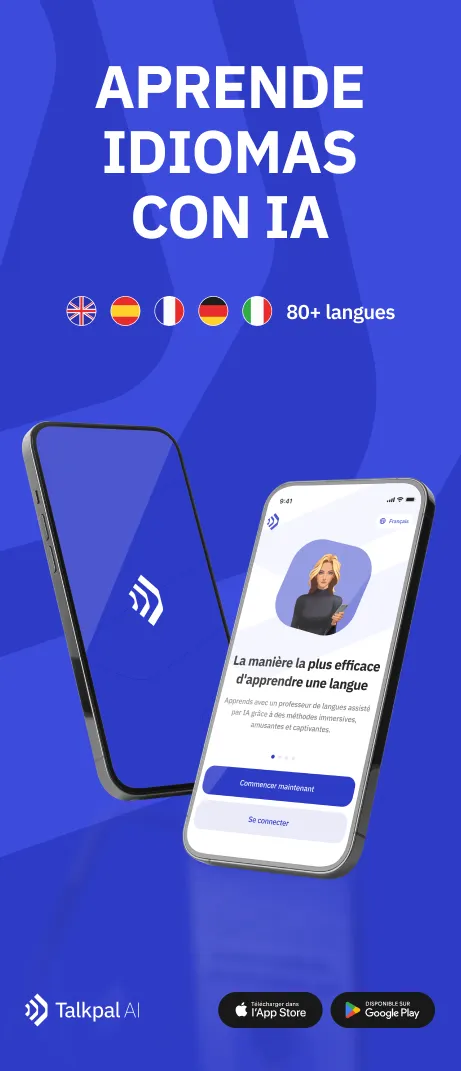
The fun and effective way to learn a language with AI
Essaie Talkpal gratuitement Powered by Advanced AI
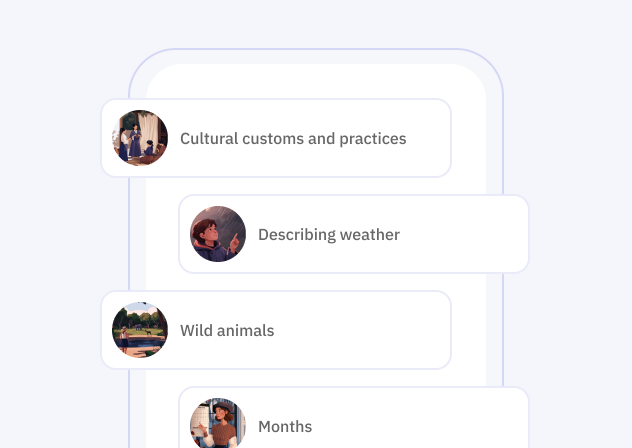
Chaque individu apprend d'une manière unique. Avec la technologie Talkpal , nous avons la possibilité d’examiner comment des millions de personnes apprennent simultanément et de concevoir les plateformes éducatives les plus efficaces, qui peuvent être personnalisées pour chaque étudiant.
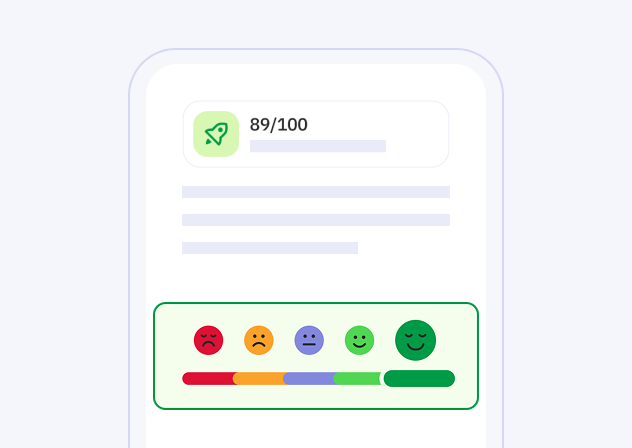
Recevez immédiatement des commentaires et des suggestions personnalisés pour accélérer votre maîtrise de la langue.
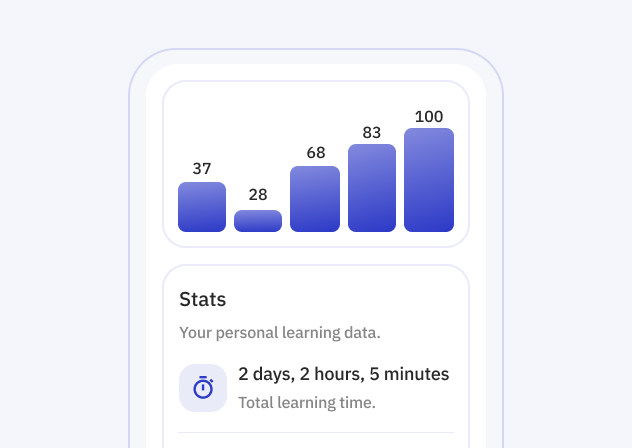
Apprenez avec des méthodes adaptées à votre style et à votre rythme, pour un apprentissage personnalisé et efficace de la langue.
Talkpal est ton prof de langues boosté à l'IA, dispo sur le web et sur mobile. Améliore vite ton niveau, discute de sujets super intéressants à l'écrit ou à l'oral, et reçois des messages vocaux ultra-réalistes où et quand tu veux.


_icon.svg)
Talkpal, Inc., 2810 N Church St, PMB 54222, Wilmington, Delaware 19802, US

