


Talkpal transforme l'IA en ton prof de langue perso



Le verbe anglais "arrive" est un terme couramment utilisé pour décrire le fait d'atteindre une destination ou un point précis après un déplacement ou un voyage. Il peut également signifier le fait de survenir ou de se produire, souvent de manière attendue. En termes plus simples, "arrive" signifie "arriver" en français. C'est un verbe régulier qui joue un rôle important dans la communication quotidienne pour indiquer l'achèvement d'un trajet ou l'apparition d'un événement. Cette explication fournit une compréhension de base du verbe avant d'approfondir ses usages et ses nuances dans des contextes variés.
They arrived at the station just in time to catch the last train.
She arrives at the office every day at 8 AM.
We will arrive in Paris by evening if the flight is on schedule.
He has arrived safely after a long journey.
They were excited as they arrived at the concert venue.
I usually arrive home before sunset.
By the time you arrive, the meeting will have started.
The package arrived at my doorstep this morning.
We arrive in New York tomorrow.
She had already arrived when we got there.
I arrive at the office early.
You arrive on time every day.
He arrives with a smile.
She arrives at the airport.
It arrives in the mail.
We arrive together.
They arrive late sometimes.
I arrived just in time.
You arrived too early.
He arrived last night.
She arrived with a gift.
It arrived broken.
We arrived before sunset.
They arrived at the same time.
I will arrive tomorrow.
You will arrive soon.
He will arrive next week.
She will arrive later.
It will arrive on Tuesday.
We will arrive together.
They will arrive shortly.
I am arriving at the station now.
You are arriving at the venue.
He is arriving as we speak.
She is arriving soon.
It is arriving today.
We are arriving at the same time.
They are arriving late.
I was arriving when the phone rang.
You were arriving as it happened.
He was arriving when the lights went out.
She was arriving while we were waiting.
It was arriving during the storm.
We were arriving together.
They were arriving at different times.
I will be arriving soon.
You will be arriving shortly.
He will be arriving later today.
She will be arriving in the evening.
It will be arriving tomorrow morning.
We will be arriving at the same time.
They will be arriving soon.
I have arrived safely.
You have arrived at your destination.
He has arrived already.
She has arrived at the hotel.
It has arrived in perfect condition.
We have arrived at the party.
They have arrived together.
I had arrived before the meeting started.
You had arrived by the time it ended.
He had arrived too late.
She had arrived before us.
It had arrived in the morning.
We had arrived just in time.
They had arrived after everyone else.
I will have arrived by then.
You will have arrived before dinner.
He will have arrived by tomorrow.
She will have arrived before the guests.
It will have arrived by next week.
We will have arrived by the end of the day.
They will have arrived already.
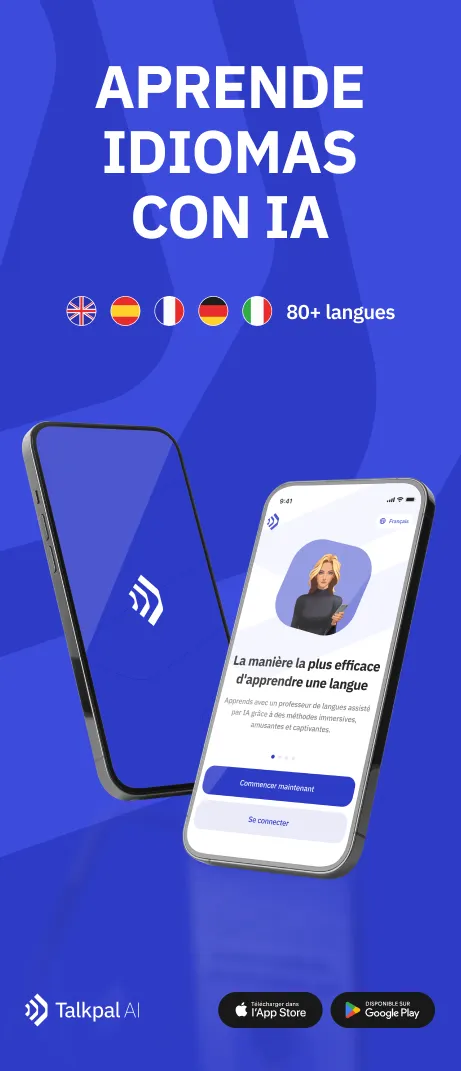
The fun and effective way to learn a language with AI
Essaie Talkpal gratuitement Powered by Advanced AI
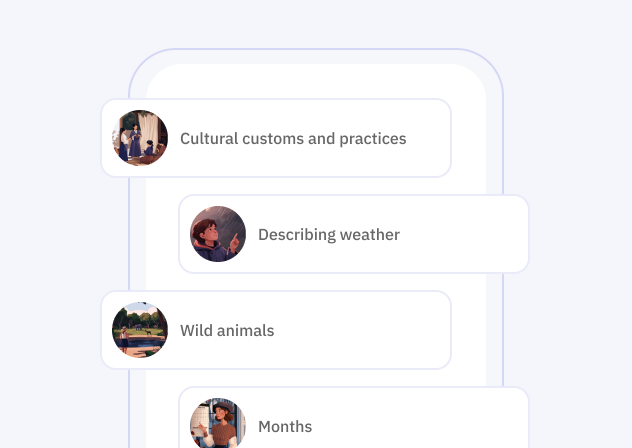
Chaque individu apprend d'une manière unique. Avec la technologie Talkpal , nous avons la possibilité d’examiner comment des millions de personnes apprennent simultanément et de concevoir les plateformes éducatives les plus efficaces, qui peuvent être personnalisées pour chaque étudiant.
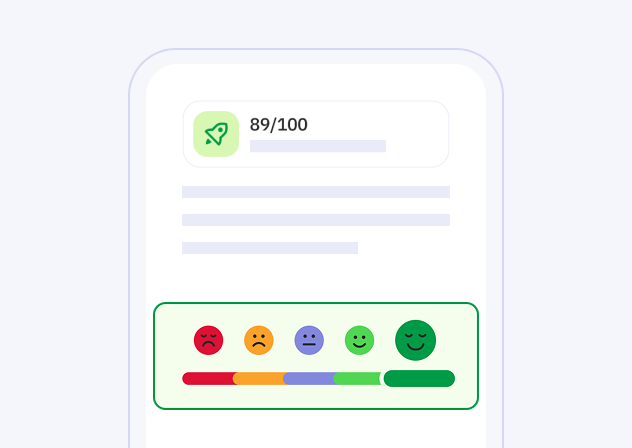
Recevez immédiatement des commentaires et des suggestions personnalisés pour accélérer votre maîtrise de la langue.
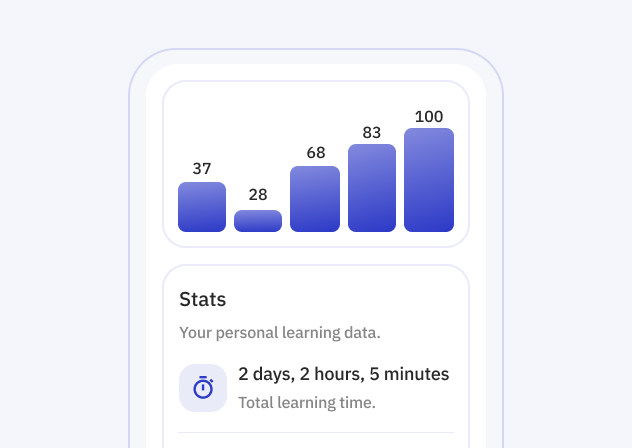
Apprenez avec des méthodes adaptées à votre style et à votre rythme, pour un apprentissage personnalisé et efficace de la langue.
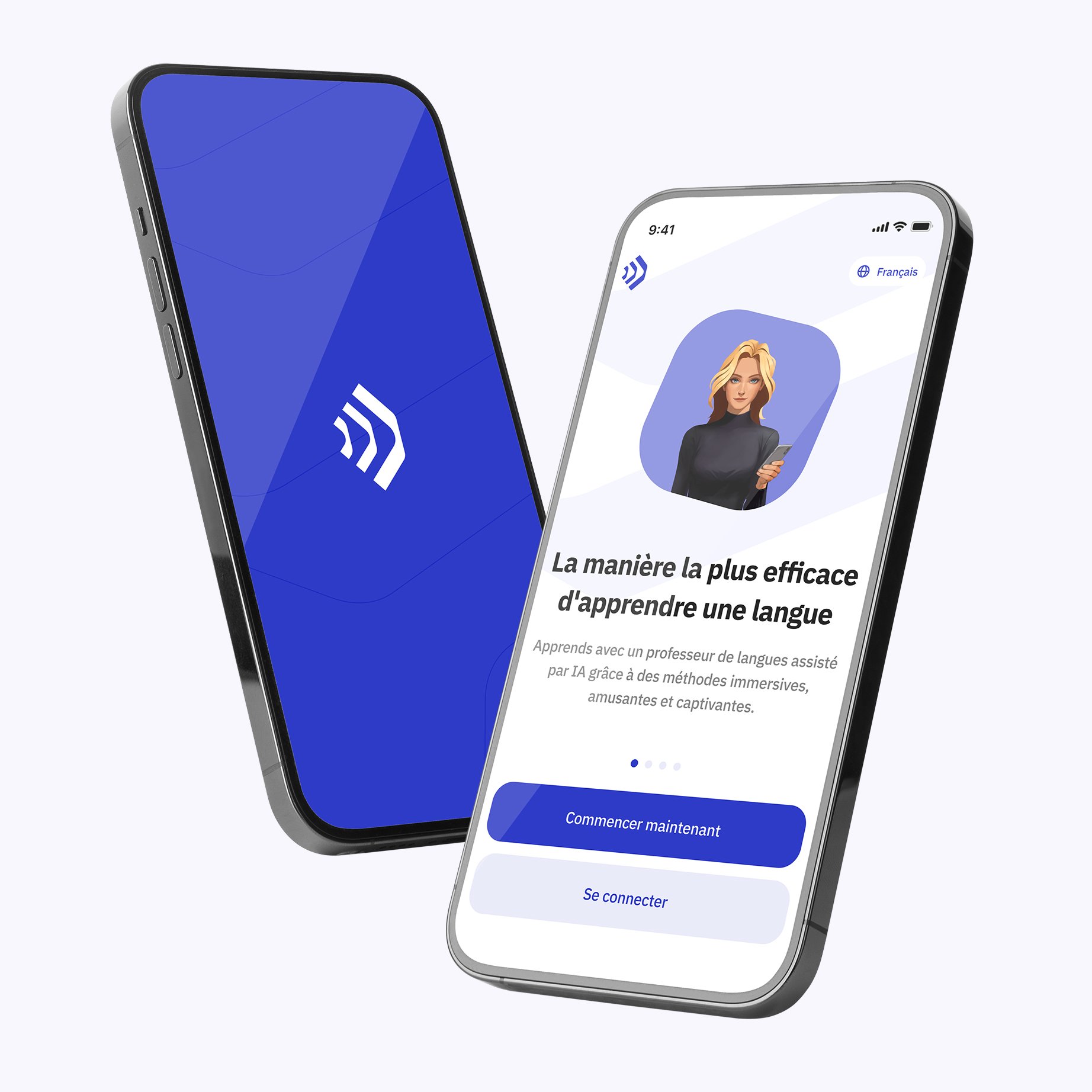
Talkpal est ton prof de langues boosté à l'IA, dispo sur le web et sur mobile. Améliore vite ton niveau, discute de sujets super intéressants à l'écrit ou à l'oral, et reçois des messages vocaux ultra-réalistes où et quand tu veux.


_icon.svg)
Talkpal, Inc., 2810 N Church St, PMB 54222, Wilmington, Delaware 19802, US

