


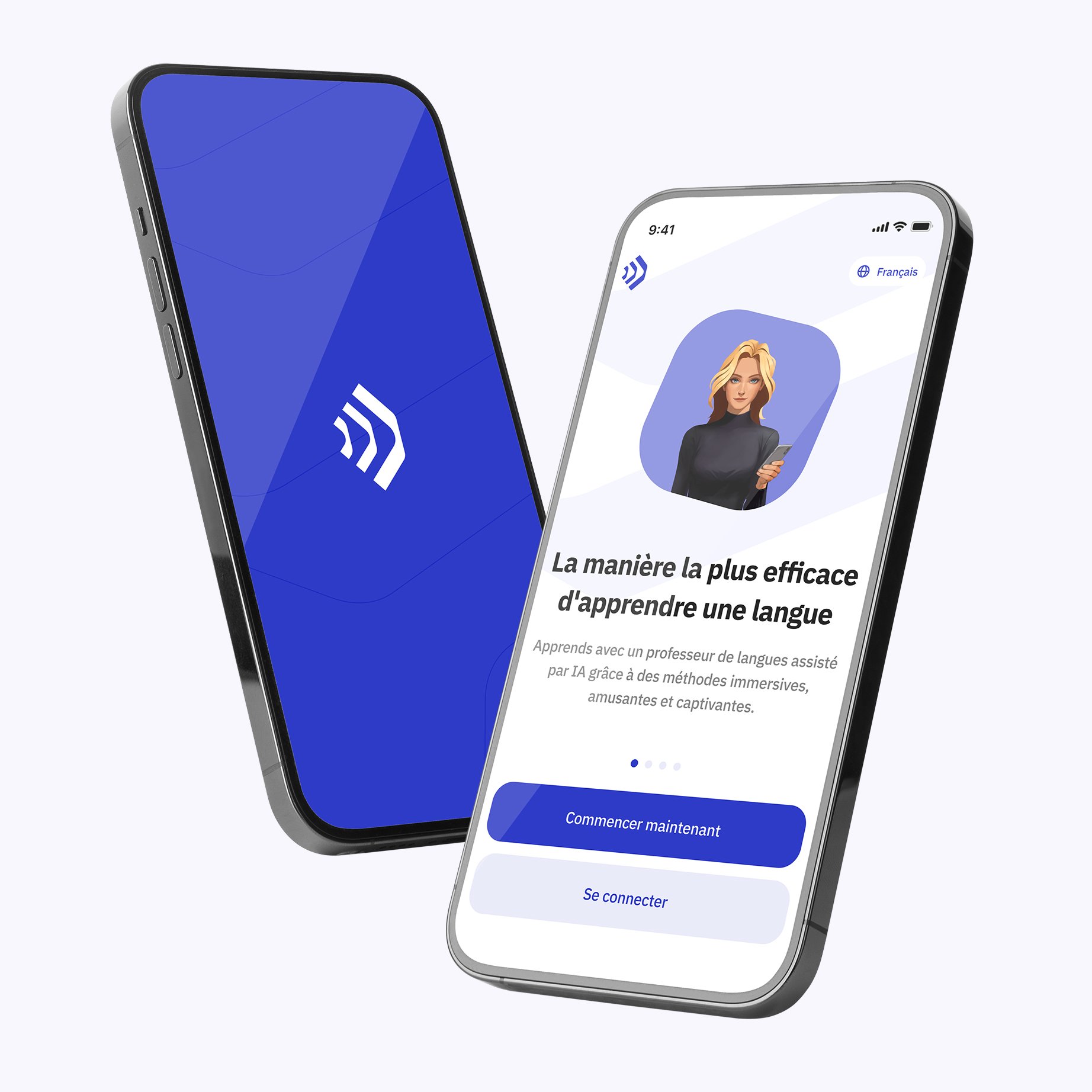
Talkpal transforme l'IA en ton prof de langue perso



Le verbe anglais "analyze" est un terme couramment utilisé qui signifie examiner minutieusement quelque chose afin de comprendre ses éléments constitutifs ou de découvrir des informations cachées. Plus précisément, "analyze" consiste à décomposer un sujet, un concept ou une situation en ses parties fondamentales pour en évaluer les aspects, les relations et les implications. Cela peut s'appliquer à divers domaines, tels que la science, la littérature, la psychologie, les affaires et bien d'autres. Analyser, c'est donc aller au-delà des apparences superficielles pour saisir les mécanismes internes et les dynamiques sous-jacentes.
She analyzed the data to find patterns that could help improve the business strategy.
The scientist will analyze the samples to determine their chemical composition.
We need to analyze the market trends before launching the new product.
He analyzes customer feedback regularly to enhance user experience.
They have analyzed the financial statements to identify areas for cost reduction.
Before making any decisions, it's crucial to analyze all available information.
She has been analyzing the competitive landscape to identify opportunities for growth.
During the meeting, we will analyze the project’s progress and set new milestones.
He was busy analyzing the survey results to prepare for the upcoming presentation.
We should analyze the risks associated with this investment before proceeding.
I analyze data every day.
You analyze problems well.
He analyzes the situation carefully.
She analyzes the results thoroughly.
It analyzes the information quickly.
We analyze the trends regularly.
They analyze the feedback together.
I analyzed the report last night.
You analyzed the data yesterday.
He analyzed the issue on Monday.
She analyzed the results last week.
It analyzed the information in seconds.
We analyzed the trends last month.
They analyzed the feedback last year.
I will analyze the data tomorrow.
You will analyze the problem soon.
He will analyze the situation later.
She will analyze the results shortly.
It will analyze the information quickly.
We will analyze the trends next week.
They will analyze the feedback together.
I am analyzing the data right now.
You are analyzing the problem at this moment.
He is analyzing the situation currently.
She is analyzing the results as we speak.
It is analyzing the information automatically.
We are analyzing the trends together.
They are analyzing the feedback now.
I was analyzing the data when you called.
You were analyzing the problem when it happened.
He was analyzing the situation at that time.
She was analyzing the results when I arrived.
It was analyzing the information continuously.
We were analyzing the trends during the meeting.
They were analyzing the feedback all day.
I will be analyzing the data all day tomorrow.
You will be analyzing the problem during the meeting.
He will be analyzing the situation when you arrive.
She will be analyzing the results this afternoon.
It will be analyzing the information continuously.
We will be analyzing the trends next week.
They will be analyzing the feedback tomorrow.
I have analyzed the data thoroughly.
You have analyzed the problem successfully.
He has analyzed the situation well.
She has analyzed the results correctly.
It has analyzed the information accurately.
We have analyzed the trends effectively.
They have analyzed the feedback comprehensively.
I had analyzed the data before the meeting.
You had analyzed the problem by then.
He had analyzed the situation before you arrived.
She had analyzed the results before the presentation.
It had analyzed the information before the update.
We had analyzed the trends before the conference.
They had analyzed the feedback by the end of the day.
I will have analyzed the data by tomorrow.
You will have analyzed the problem by the end of the day.
He will have analyzed the situation by then.
She will have analyzed the results by next week.
It will have analyzed the information by the time we check.
We will have analyzed the trends by the meeting.
They will have analyzed the feedback by the presentation.
I have been analyzing the data for hours.
You have been analyzing the problem all morning.
He has been analyzing the situation for days.
She has been analyzing the results since last week.
It has been analyzing the information continuously.
We have been analyzing the trends for months.
They have been analyzing the feedback for weeks.
I had been analyzing the data for hours when you called.
You had been analyzing the problem all morning before the meeting.
He had been analyzing the situation for days before the event.
She had been analyzing the results since last week before the report.
It had been analyzing the information continuously before it stopped.
We had been analyzing the trends for months before the change.
They had been analyzing the feedback for weeks before the deadline.
I will have been analyzing the data for hours by the time you arrive.
You will have been analyzing the problem all morning by then.
He will have been analyzing the situation for days by the time of the event.
She will have been analyzing the results since last week by the end of the month.
It will have been analyzing the information continuously by tomorrow.
We will have been analyzing the trends for months by the end of the quarter.
They will have been analyzing the feedback for weeks by the time of the presentation.
The fun and effective way to learn a language with AI
Essaie Talkpal gratuitement Powered by Advanced AI
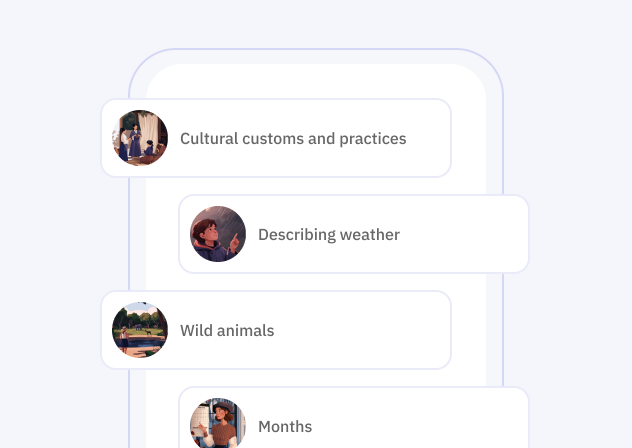
Chaque individu apprend d'une manière unique. Avec la technologie Talkpal , nous avons la possibilité d’examiner comment des millions de personnes apprennent simultanément et de concevoir les plateformes éducatives les plus efficaces, qui peuvent être personnalisées pour chaque étudiant.
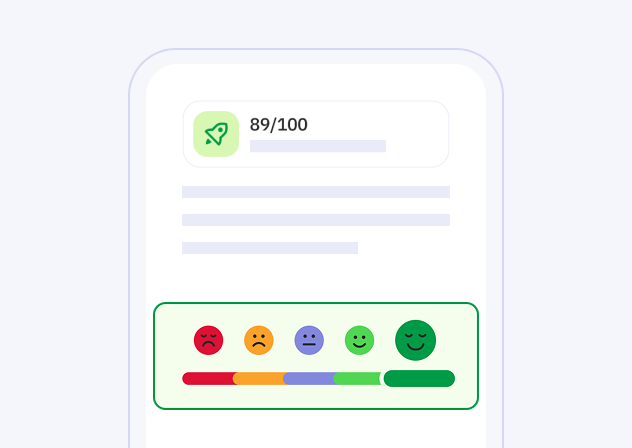
Recevez immédiatement des commentaires et des suggestions personnalisés pour accélérer votre maîtrise de la langue.
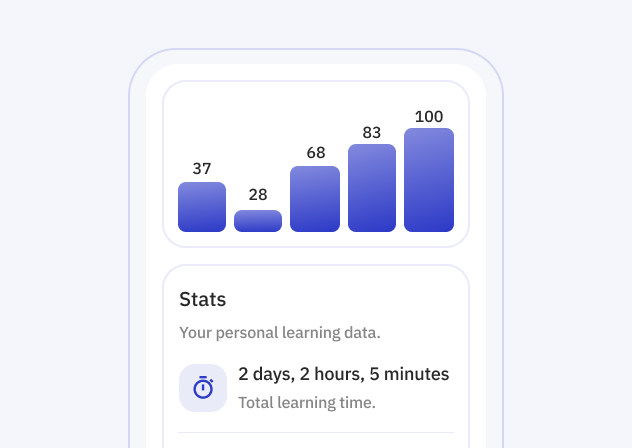
Apprenez avec des méthodes adaptées à votre style et à votre rythme, pour un apprentissage personnalisé et efficace de la langue.
Talkpal est ton prof de langues boosté à l'IA, dispo sur le web et sur mobile. Améliore vite ton niveau, discute de sujets super intéressants à l'écrit ou à l'oral, et reçois des messages vocaux ultra-réalistes où et quand tu veux.


_icon.svg)
Talkpal, Inc., 2810 N Church St, PMB 54222, Wilmington, Delaware 19802, US

