


O Talkpal transforma a IA no teu treinador de línguas pessoal



O verbo "dust" em inglês é um termo que pode ter múltiplas interpretações dependendo do contexto em que é utilizado. De forma geral, "dust" pode ser traduzido para o português como "limpar o pó" ou "espalhar pó". Na sua aceção principal, o verbo refere-se à ação de remover pó ou partículas de uma superfície, geralmente utilizando um pano ou outro utensílio de limpeza. Alternativamente, "dust" pode também significar a ação de espalhar uma substância em pó sobre uma superfície, como por exemplo, polvilhar farinha sobre uma mesa ou açúcar em pó sobre uma sobremesa. Esta versatilidade torna o verbo "dust" bastante útil em diversas situações do quotidiano.
She dusted the shelves every Saturday morning.
He needs to dust the furniture before the guests arrive.
The old book was covered in cobwebs and needed to be dusted.
Why don't you dust off those old records and give them a spin?
The maid dusted the chandelier carefully.
They regularly dust the museum exhibits to keep them looking pristine.
I dusted my laptop screen to remove the fingerprints.
You should dust the blinds; they're really dirty.
She dusted off her old skills and got back into painting.
Every spring, we dust the entire house from top to bottom.
I dust the shelves every weekend.
You dust the furniture regularly.
He dusts the living room every day.
She dusts the picture frames on Sundays.
It dusts the surfaces automatically.
We dust the house together.
They dust the blinds frequently.
I dusted the shelves yesterday.
You dusted the furniture last week.
He dusted the living room on Monday.
She dusted the picture frames earlier.
It dusted the surfaces last night.
We dusted the house together last weekend.
They dusted the blinds a few days ago.
I will dust the shelves tomorrow.
You will dust the furniture soon.
He will dust the living room next week.
She will dust the picture frames later.
It will dust the surfaces automatically.
We will dust the house together next weekend.
They will dust the blinds soon.
I have dusted the shelves.
You have dusted the furniture.
He has dusted the living room.
She has dusted the picture frames.
It has dusted the surfaces.
We have dusted the house together.
They have dusted the blinds.
I had dusted the shelves before you arrived.
You had dusted the furniture before the guests came.
He had dusted the living room before dinner.
She had dusted the picture frames before leaving.
It had dusted the surfaces automatically before stopping.
We had dusted the house before the party started.
They had dusted the blinds before the storm.
I will have dusted the shelves by tomorrow.
You will have dusted the furniture by next week.
He will have dusted the living room by the time you come.
She will have dusted the picture frames by this evening.
It will have dusted the surfaces by midnight.
We will have dusted the house by the weekend.
They will have dusted the blinds by the end of the day.
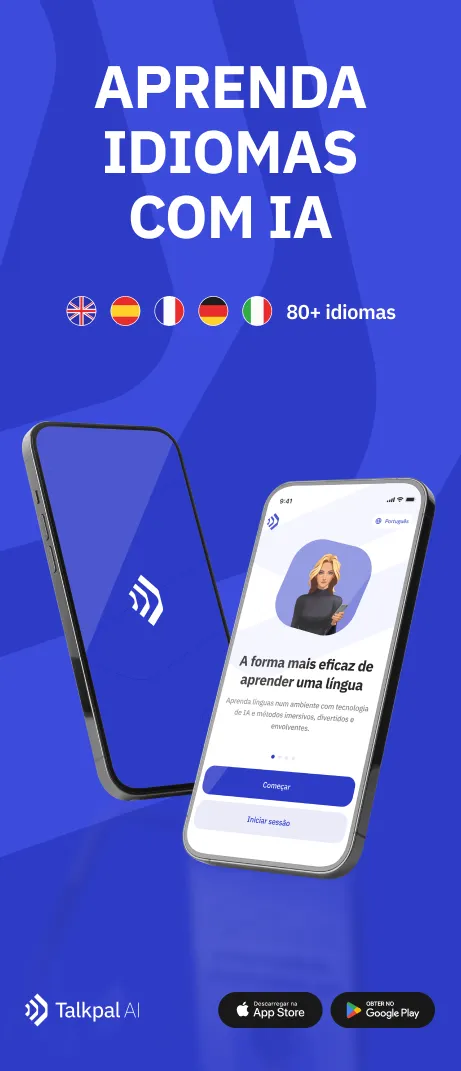
The fun and effective way to learn a language with AI
Experimenta o Talkpal grátis Powered by Advanced AI
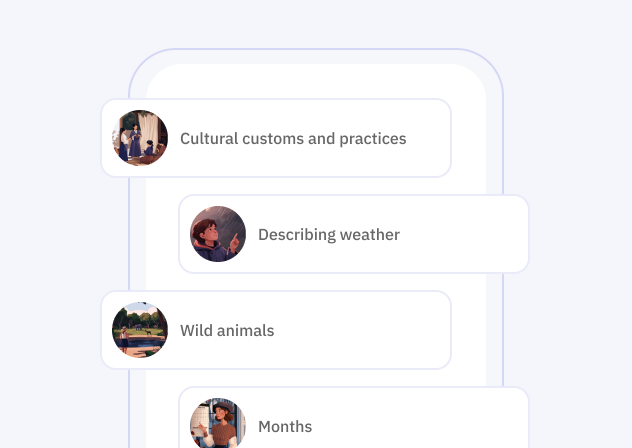
Cada indivíduo aprende de uma forma única. Com a tecnologia Talkpal , temos a capacidade de examinar como milhões de pessoas aprendem simultaneamente e projetar as plataformas educacionais mais eficientes, que podem ser personalizadas para cada aluno.
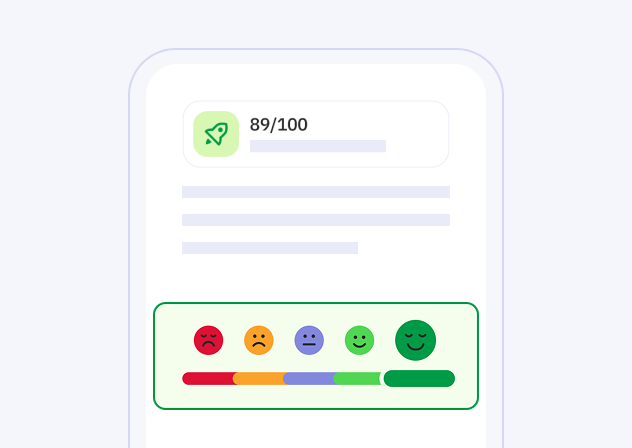
Recebe feedback imediato e personalizado e sugestões para acelerar o teu domínio da língua.
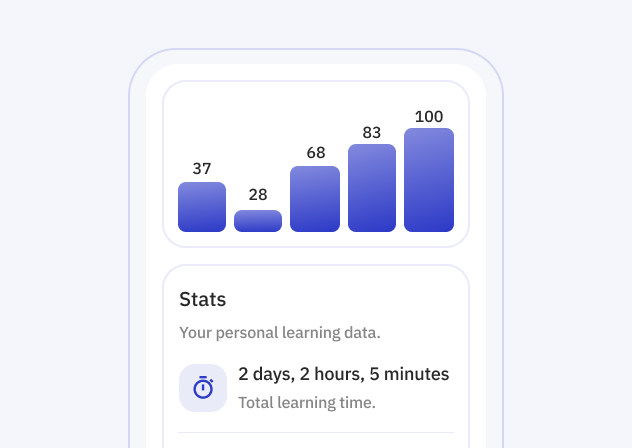
Aprende através de métodos adaptados ao teu estilo e ritmo únicos, garantindo uma viagem personalizada e eficaz até à fluência.
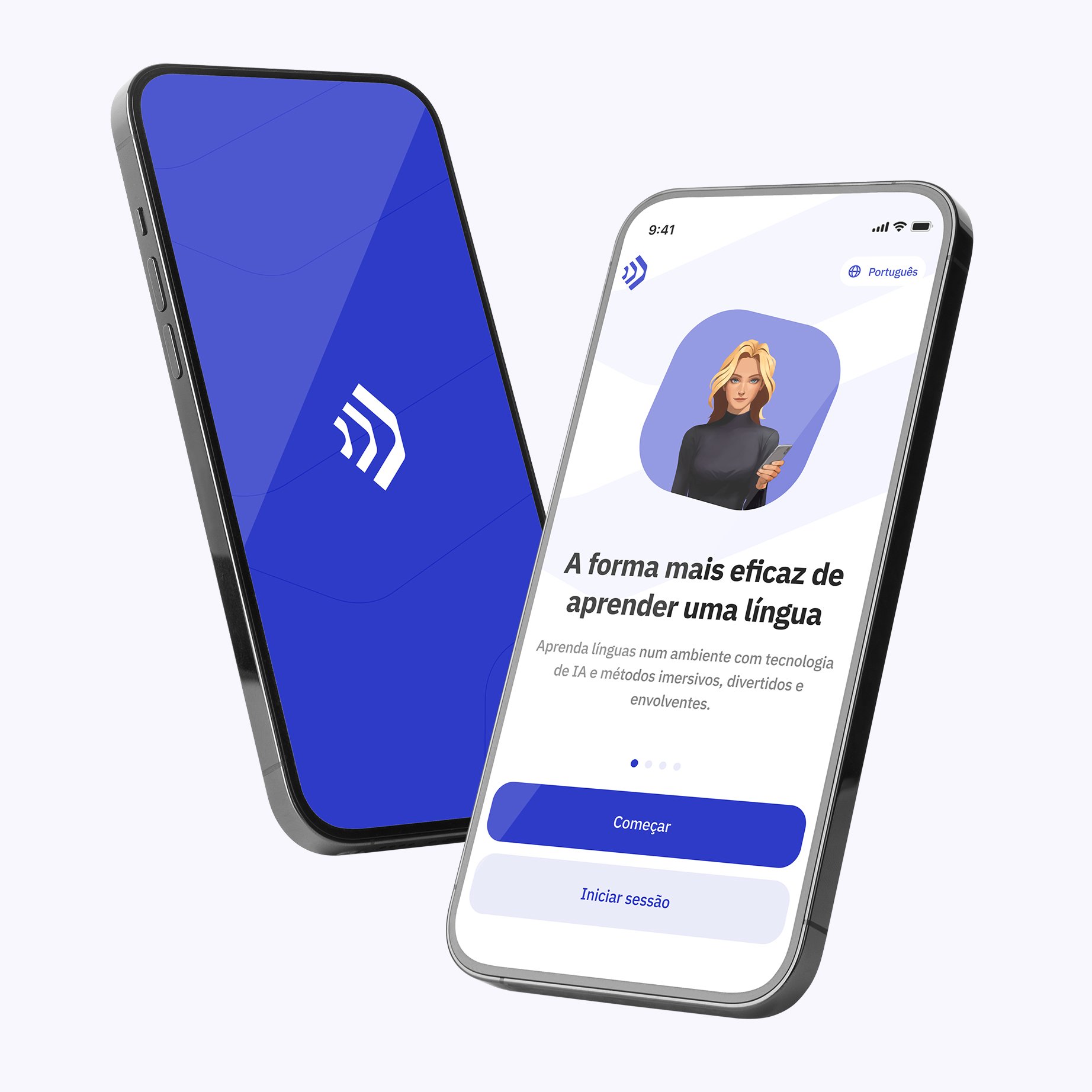
O Talkpal é um tutor de línguas com tecnologia de IA, disponível na web e em plataformas móveis. Acelera a tua fluência linguística, conversa sobre temas interessantes por escrito ou oralmente e recebe mensagens de voz realistas onde e quando quiseres.


_icon.svg)
Talkpal, Inc., 2810 N Church St, PMB 54222, Wilmington, Delaware 19802, US

