


Talkpal transforme l'IA en ton prof de langue perso



Le verbe anglais "sympathize" est un terme essentiel qui exprime un sentiment d'empathie et de compréhension envers les émotions ou les situations des autres. En français, on pourrait le traduire par "compatir" ou "sympathiser". Ce verbe est utilisé pour montrer que l'on partage les sentiments d'autrui, que ce soit dans des moments de joie ou de tristesse. Sympathize implique une connexion émotionnelle où l'on peut ressentir et comprendre ce que quelqu'un d'autre éprouve. C'est un verbe souvent employé dans des contextes où il est important de manifester de la compassion et de l'empathie.
She sympathizes with him because she has been through a similar experience.
They sympathized with the family who lost their home in the fire.
We can all sympathize with her situation, given how tough it must be.
He really sympathizes with anyone who has to work late hours.
It's hard not to sympathize with someone who is trying their best.
Everyone in the office sympathized with her when she got the bad news.
Can you sympathize with his struggle to find a job?
They always sympathize with people who are less fortunate.
She genuinely sympathizes with the victims of the natural disaster.
He sympathized with her feelings of frustration and disappointment.
I sympathize with your situation.
You sympathize with her loss.
He sympathizes with their plight.
She sympathizes with the victims.
It sympathizes with the affected communities.
We sympathize with their cause.
They sympathize with the workers.
I sympathized with his struggles.
You sympathized with her pain.
He sympathized with their concerns.
She sympathized with the refugees.
It sympathized with the troubled family.
We sympathized with the victims.
They sympathized with the employees.
I will sympathize with your feelings.
You will sympathize with their grief.
He will sympathize with the survivors.
She will sympathize with the injured.
It will sympathize with the affected communities.
We will sympathize with the families.
They will sympathize with the victims.
I am sympathizing with his plight.
You are sympathizing with their situation.
He is sympathizing with the injured.
She is sympathizing with the families.
It is sympathizing with the affected communities.
We are sympathizing with the workers.
They are sympathizing with the refugees.
I was sympathizing with their loss.
You were sympathizing with his struggle.
He was sympathizing with the victims.
She was sympathizing with the affected families.
It was sympathizing with the community.
We were sympathizing with the workers.
They were sympathizing with the refugees.
I will be sympathizing with their cause.
You will be sympathizing with their loss.
He will be sympathizing with the families.
She will be sympathizing with the victims.
It will be sympathizing with the affected communities.
We will be sympathizing with the workers.
They will be sympathizing with the refugees.
I have sympathized with their situation.
You have sympathized with his loss.
He has sympathized with the victims.
She has sympathized with the families.
It has sympathized with the affected communities.
We have sympathized with the workers.
They have sympathized with the refugees.
I had sympathized with their struggle.
You had sympathized with his loss.
He had sympathized with the victims.
She had sympathized with the families.
It had sympathized with the affected communities.
We had sympathized with the workers.
They had sympathized with the refugees.
I will have sympathized with their cause.
You will have sympathized with his loss.
He will have sympathized with the victims.
She will have sympathized with the families.
It will have sympathized with the affected communities.
We will have sympathized with the workers.
They will have sympathized with the refugees.

The fun and effective way to learn a language with AI
Essaie Talkpal gratuitement Powered by Advanced AI
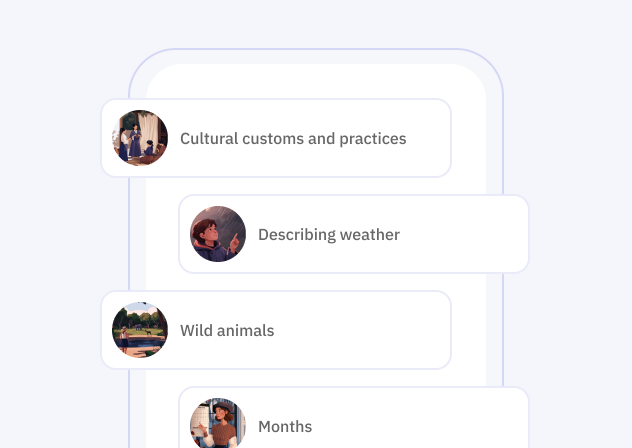
Chaque individu apprend d'une manière unique. Avec la technologie Talkpal , nous avons la possibilité d’examiner comment des millions de personnes apprennent simultanément et de concevoir les plateformes éducatives les plus efficaces, qui peuvent être personnalisées pour chaque étudiant.
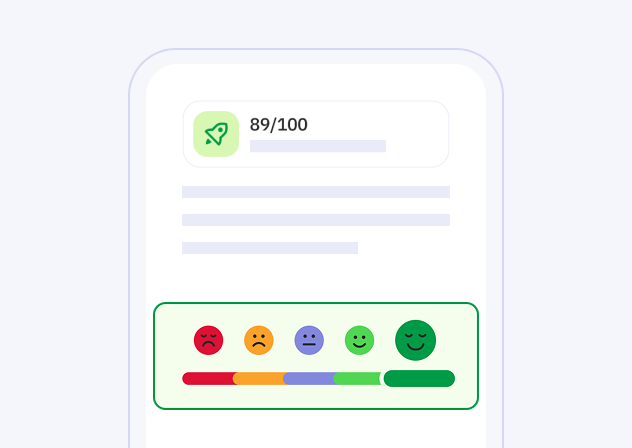
Recevez immédiatement des commentaires et des suggestions personnalisés pour accélérer votre maîtrise de la langue.
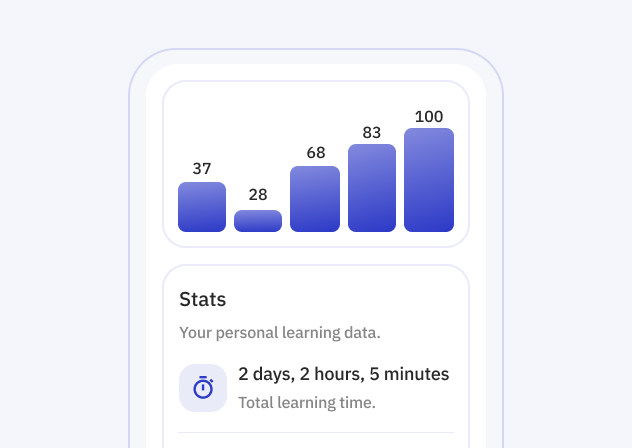
Apprenez avec des méthodes adaptées à votre style et à votre rythme, pour un apprentissage personnalisé et efficace de la langue.
Talkpal est ton prof de langues boosté à l'IA, dispo sur le web et sur mobile. Améliore vite ton niveau, discute de sujets super intéressants à l'écrit ou à l'oral, et reçois des messages vocaux ultra-réalistes où et quand tu veux.



_icon.svg)
Talkpal, Inc., 2810 N Church St, PMB 54222, Wilmington, Delaware 19802, US

