


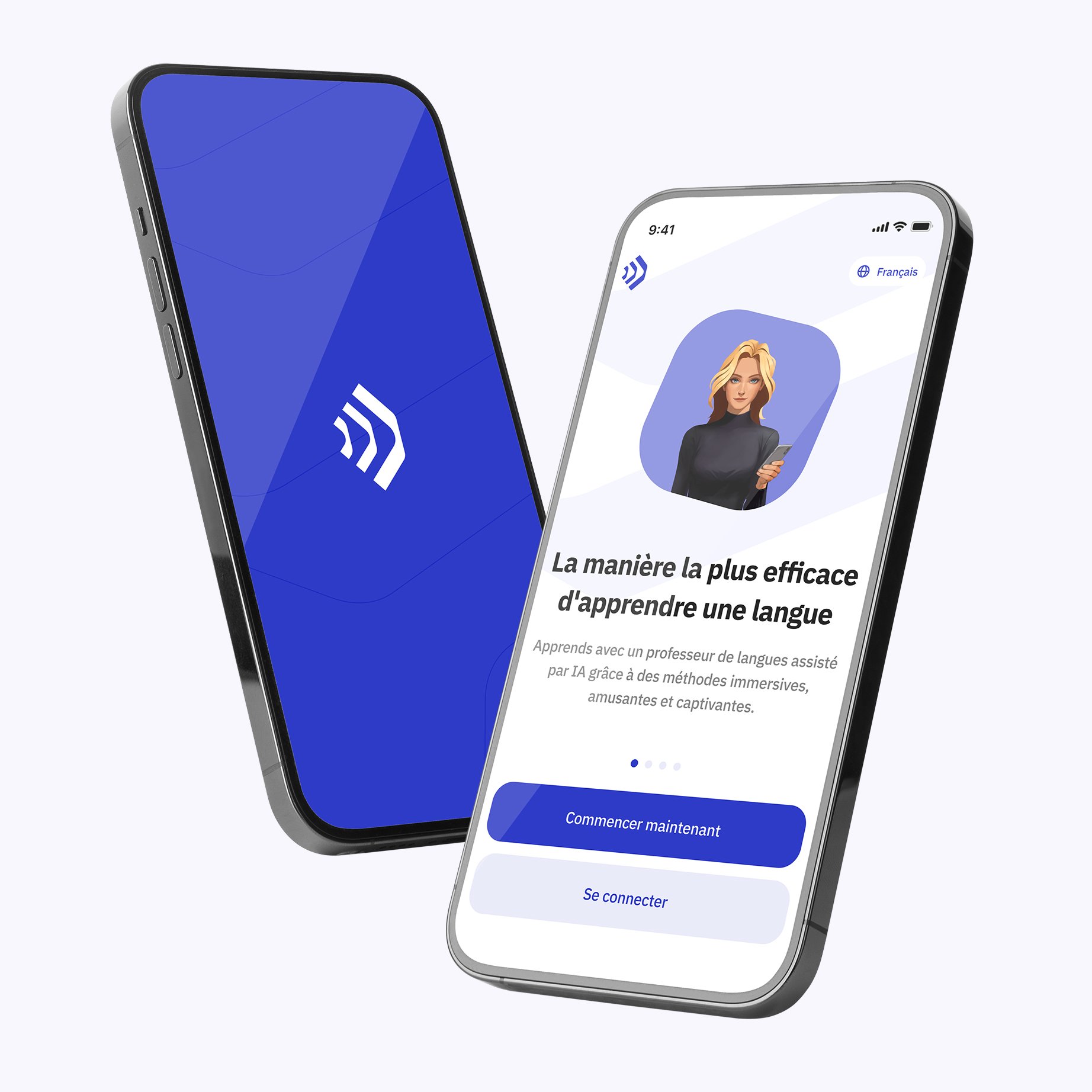
Talkpal transforme l'IA en ton prof de langue perso



Le verbe anglais "to park" est couramment utilisé pour décrire l'action de stationner un véhicule dans un espace désigné. Cette action implique de placer un véhicule, comme une voiture, un camion ou une moto, dans un endroit spécifique, souvent temporaire, afin de ne pas obstruer la circulation ou pour se conformer à la réglementation de stationnement. En français, ce verbe se traduit par "stationner" ou "garer". La compréhension de ce verbe est essentielle pour toute personne conduisant dans un pays anglophone ou utilisant des manuels et panneaux de signalisation en anglais.
I parked my car in the garage last night.
He always parks his bike next to the tree.
We were looking for a spot to park during the busy weekend.
She had to repark her car because it was too close to the curb.
They will park their RV near the lake for the weekend.
Is there a safe place to park around here?
The valet parks the cars for the restaurant guests.
You should have parked in the designated area.
I noticed that she was parking her car when I arrived.
He has parked in that spot for years without any issues.
I park my car here.
You park your bike over there.
He parks his truck in the garage.
She parks near the entrance.
It parks automatically.
We park together.
They park in the lot.
I parked my car here yesterday.
You parked your bike over there last week.
He parked his truck in the garage this morning.
She parked near the entrance an hour ago.
It parked automatically last night.
We parked together last weekend.
They parked in the lot earlier today.
I will park my car here tomorrow.
You will park your bike over there next week.
He will park his truck in the garage later.
She will park near the entrance soon.
It will park automatically in the future.
We will park together next time.
They will park in the lot tomorrow.
I am parking my car here.
You are parking your bike over there.
He is parking his truck in the garage.
She is parking near the entrance.
It is parking automatically.
We are parking together.
They are parking in the lot.
I was parking my car here when it started to rain.
You were parking your bike over there when I saw you.
He was parking his truck in the garage while I waited.
She was parking near the entrance when we arrived.
It was parking automatically when the power went out.
We were parking together when the alarm sounded.
They were parking in the lot when the event started.
I will be parking my car here at 5 PM.
You will be parking your bike over there later.
He will be parking his truck in the garage soon.
She will be parking near the entrance when you arrive.
It will be parking automatically in a few moments.
We will be parking together at the next event.
They will be parking in the lot by the time you get here.
I have parked my car here.
You have parked your bike over there.
He has parked his truck in the garage.
She has parked near the entrance.
It has parked automatically.
We have parked together.
They have parked in the lot.
I had parked my car here before it started to rain.
You had parked your bike over there before I saw you.
He had parked his truck in the garage before I arrived.
She had parked near the entrance before we got there.
It had parked automatically before the power went out.
We had parked together before the alarm sounded.
They had parked in the lot before the event started.
I will have parked my car here by 5 PM.
You will have parked your bike over there by the time I get there.
He will have parked his truck in the garage by then.
She will have parked near the entrance when you arrive.
It will have parked automatically in a few moments.
We will have parked together by the next event.
They will have parked in the lot by the time you get here.
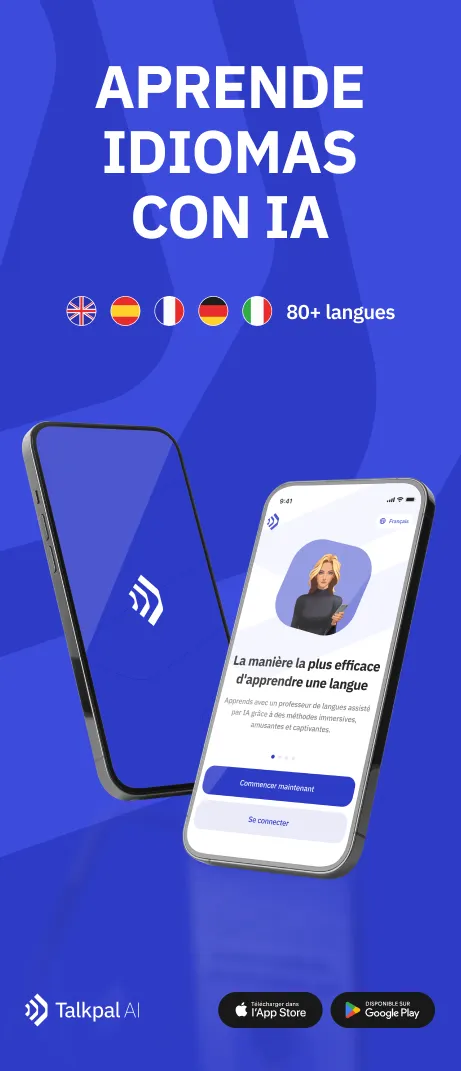
The fun and effective way to learn a language with AI
Essaie Talkpal gratuitement Powered by Advanced AI
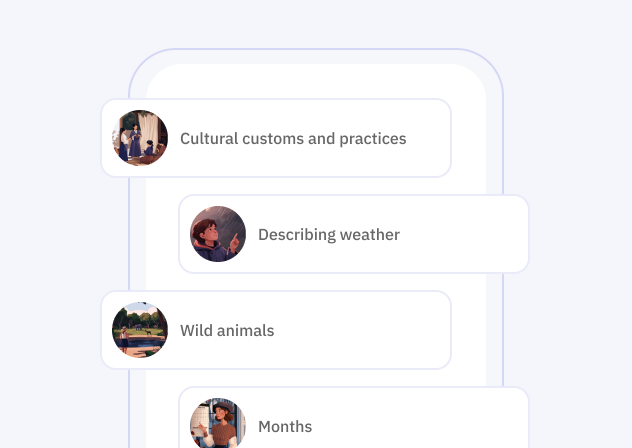
Chaque individu apprend d'une manière unique. Avec la technologie Talkpal , nous avons la possibilité d’examiner comment des millions de personnes apprennent simultanément et de concevoir les plateformes éducatives les plus efficaces, qui peuvent être personnalisées pour chaque étudiant.
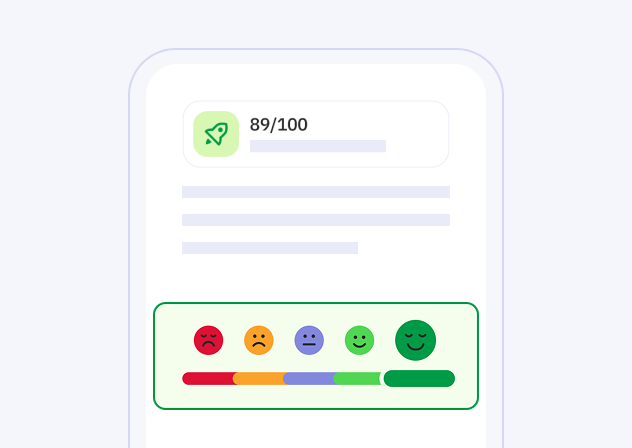
Recevez immédiatement des commentaires et des suggestions personnalisés pour accélérer votre maîtrise de la langue.
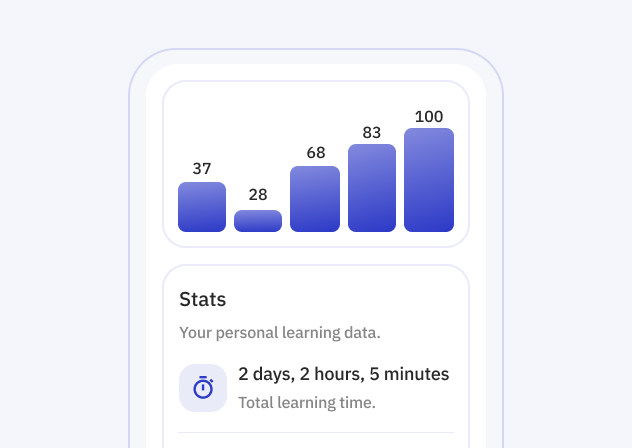
Apprenez avec des méthodes adaptées à votre style et à votre rythme, pour un apprentissage personnalisé et efficace de la langue.
Talkpal est ton prof de langues boosté à l'IA, dispo sur le web et sur mobile. Améliore vite ton niveau, discute de sujets super intéressants à l'écrit ou à l'oral, et reçois des messages vocaux ultra-réalistes où et quand tu veux.


_icon.svg)
Talkpal, Inc., 2810 N Church St, PMB 54222, Wilmington, Delaware 19802, US

