


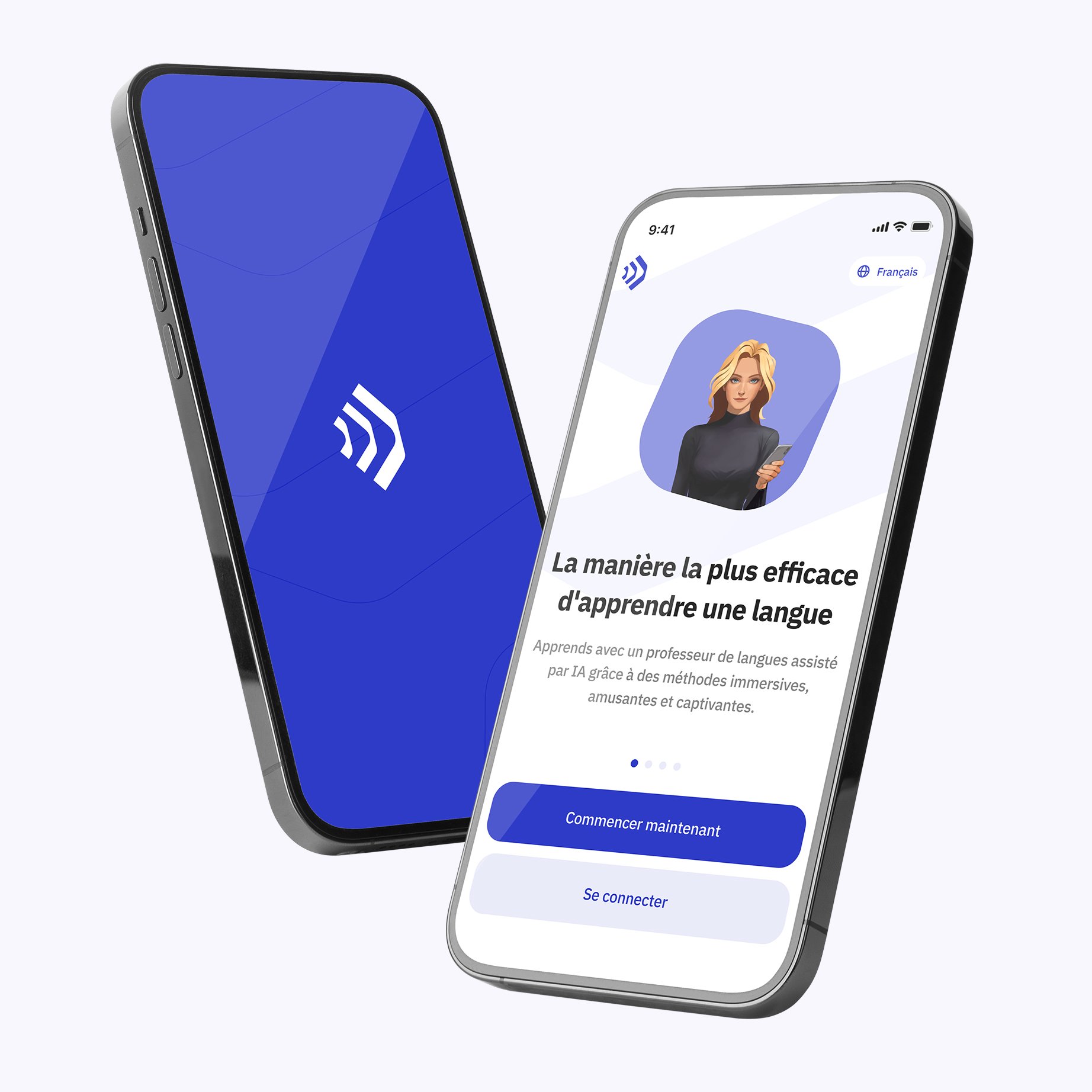
Talkpal transforme l'IA en ton prof de langue perso



Le verbe anglais "recognize" est un terme couramment utilisé dans la langue anglaise. Il dérive du verbe latin "recognoscere", signifiant "reconnaître" ou "identifier". En anglais, "recognize" signifie essentiellement identifier quelqu'un ou quelque chose de manière officielle ou formelle, souvent basé sur une connaissance préalable ou une familiarité. Ce verbe peut également impliquer l'acceptation ou l'admission de la validité ou de l'importance de quelque chose. Il est utilisé dans divers contextes, qu'il s'agisse de reconnaître des visages, des voix, des talents, des accomplissements ou même des situations.
She quickly recognized the song from her childhood.
Can you recognize the man in this photo?
They were finally recognized for their hard work and dedication.
He failed to recognize the importance of the moment.
We should recognize their efforts in improving the community.
I instantly recognized her voice on the phone.
It's important to recognize the signs of stress early.
She will be officially recognized at the award ceremony next week.
He needs to recognize his own limitations.
They recognized the need for a new policy.
I recognize the song.
You recognize the face.
He recognizes the voice.
She recognizes the smell.
It recognizes the pattern.
We recognize the place.
They recognize the effort.
I recognized the song yesterday.
You recognized the face last week.
He recognized the voice this morning.
She recognized the smell immediately.
It recognized the pattern quickly.
We recognized the place right away.
They recognized the effort after a while.
I will recognize the song.
You will recognize the face.
He will recognize the voice.
She will recognize the smell.
It will recognize the pattern.
We will recognize the place.
They will recognize the effort.
I am recognizing the song right now.
You are recognizing the face at the moment.
He is recognizing the voice as we speak.
She is recognizing the smell currently.
It is recognizing the pattern now.
We are recognizing the place these days.
They are recognizing the effort nowadays.
I was recognizing the song when you called.
You were recognizing the face when I saw you.
He was recognizing the voice during the meeting.
She was recognizing the smell when it happened.
It was recognizing the pattern at that time.
We were recognizing the place all day.
They were recognizing the effort throughout the project.
I will be recognizing the song during the event.
You will be recognizing the face at the party.
He will be recognizing the voice in the future.
She will be recognizing the smell soon.
It will be recognizing the pattern eventually.
We will be recognizing the place next time.
They will be recognizing the effort soon enough.
I have recognized the song already.
You have recognized the face before.
He has recognized the voice many times.
She has recognized the smell a few times.
It has recognized the pattern before.
We have recognized the place several times.
They have recognized the effort previously.
I had recognized the song before the event.
You had recognized the face before I met you.
He had recognized the voice before the meeting started.
She had recognized the smell before we arrived.
It had recognized the pattern long before.
We had recognized the place before the tour.
They had recognized the effort before it was acknowledged.
I will have recognized the song by the end of the event.
You will have recognized the face by the time I arrive.
He will have recognized the voice by the end of the meeting.
She will have recognized the smell before we leave.
It will have recognized the pattern by then.
We will have recognized the place by the end of the tour.
They will have recognized the effort by the time it's over.
The fun and effective way to learn a language with AI
Essaie Talkpal gratuitement Powered by Advanced AI
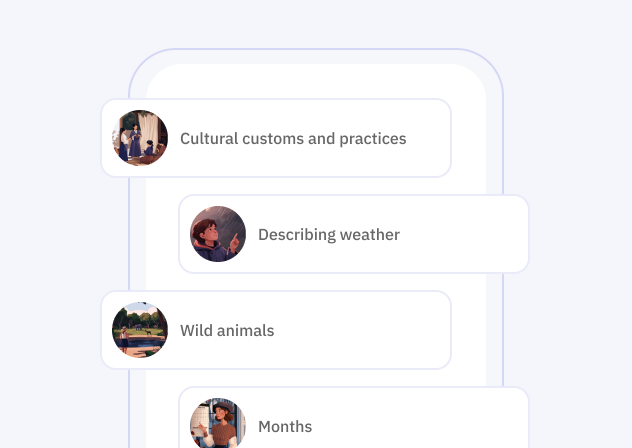
Chaque individu apprend d'une manière unique. Avec la technologie Talkpal , nous avons la possibilité d’examiner comment des millions de personnes apprennent simultanément et de concevoir les plateformes éducatives les plus efficaces, qui peuvent être personnalisées pour chaque étudiant.
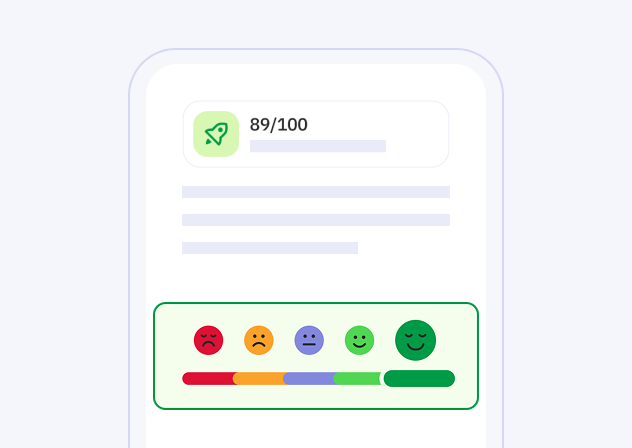
Recevez immédiatement des commentaires et des suggestions personnalisés pour accélérer votre maîtrise de la langue.
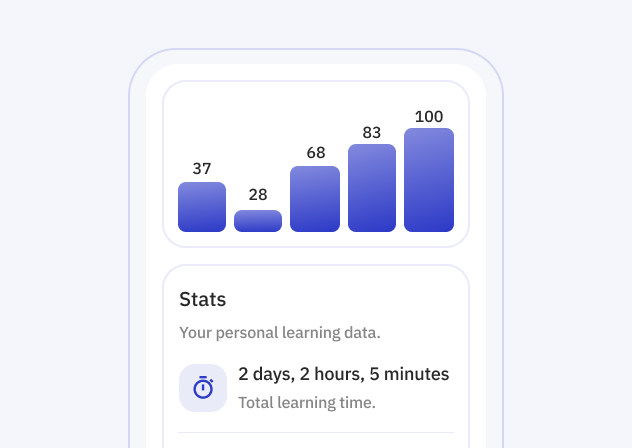
Apprenez avec des méthodes adaptées à votre style et à votre rythme, pour un apprentissage personnalisé et efficace de la langue.
Talkpal est ton prof de langues boosté à l'IA, dispo sur le web et sur mobile. Améliore vite ton niveau, discute de sujets super intéressants à l'écrit ou à l'oral, et reçois des messages vocaux ultra-réalistes où et quand tu veux.


_icon.svg)
Talkpal, Inc., 2810 N Church St, PMB 54222, Wilmington, Delaware 19802, US

