


Talkpal transforme l'IA en ton prof de langue perso



Le verbe anglais "to cut" est un terme polyvalent utilisé pour décrire l'action de diviser ou de séparer quelque chose en utilisant un objet tranchant tel qu'un couteau, des ciseaux ou une scie. Il peut également signifier réduire, diminuer ou interrompre quelque chose. Ce verbe est employé dans divers contextes, allant de la cuisine à la coiffure, en passant par la menuiserie et même les discussions informelles. En tant que verbe irrégulier, il présente des formes spécifiques au passé et au participe passé, mais ici nous nous concentrons sur sa définition et ses utilisations générales. Le verbe "to cut" est essentiel pour exprimer des actions impliquant une interruption physique ou symbolique et est couramment utilisé dans la langue anglaise quotidienne.
I accidentally cut my finger while chopping vegetables.
She cut the paper into small pieces for the project.
He cut his hair short for the summer.
The tailor cut the fabric according to the measurements.
They cut down the old tree in the backyard.
After the argument, he felt like he had been cut off from his friends.
We cut through the alley to save time.
The director cut several scenes from the final version of the movie.
She cut the cake into eight equal slices.
He cut out the article from the newspaper.
I cut paper.
You cut your hair.
He cuts the vegetables.
She cuts the ribbon.
It cuts through metal.
We cut the cake.
They cut costs.
I cut my finger yesterday.
You cut the rope last week.
He cut the grass this morning.
She cut the fabric for the dress.
It cut smoothly through the wood.
We cut the wires during the experiment.
They cut the budget significantly.
I will cut the paper tomorrow.
You will cut the cord next week.
He will cut the grass this weekend.
She will cut the cake at the party.
It will cut through the material easily.
We will cut down the tree next month.
They will cut the ribbon at the ceremony.
I am cutting the paper now.
You are cutting your hair.
He is cutting the vegetables.
She is cutting the ribbon.
It is cutting through the metal.
We are cutting the cake.
They are cutting costs.
I was cutting the paper when you called.
You were cutting your hair last night.
He was cutting the vegetables.
She was cutting the ribbon.
It was cutting through the metal.
We were cutting the cake.
They were cutting costs.
I will be cutting the paper.
You will be cutting your hair.
He will be cutting the vegetables.
She will be cutting the ribbon.
It will be cutting through the metal.
We will be cutting the cake.
They will be cutting costs.
I have cut the paper.
You have cut your hair.
He has cut the vegetables.
She has cut the ribbon.
It has cut through the metal.
We have cut the cake.
They have cut costs.
I had cut the paper before you arrived.
You had cut your hair by then.
He had cut the vegetables.
She had cut the ribbon.
It had cut through the metal.
We had cut the cake.
They had cut costs.
I will have cut the paper by tomorrow.
You will have cut your hair by next week.
He will have cut the vegetables by dinner time.
She will have cut the ribbon by then.
It will have cut through the metal by the end of the day.
We will have cut the cake by the time you arrive.
They will have cut costs by the end of the quarter.
I have been cutting the paper for an hour.
You have been cutting your hair for a while.
He has been cutting the vegetables all morning.
She has been cutting the ribbon for a few minutes.
It has been cutting through the metal since yesterday.
We have been cutting the cake for the past hour.
They have been cutting costs for months.
I had been cutting the paper before you arrived.
You had been cutting your hair for an hour.
He had been cutting the vegetables all morning.
She had been cutting the ribbon for a few minutes.
It had been cutting through the metal for a while.
We had been cutting the cake for the past hour.
They had been cutting costs for months.
I will have been cutting the paper for two hours by then.
You will have been cutting your hair for an hour by next week.
He will have been cutting the vegetables all morning by lunch.
She will have been cutting the ribbon for a few minutes by the time you arrive.
It will have been cutting through the metal for a while by the end of the day.
We will have been cutting the cake for the past hour by the time guests arrive.
They will have been cutting costs for months by the end of the quarter.

The fun and effective way to learn a language with AI
Essaie Talkpal gratuitement Powered by Advanced AI
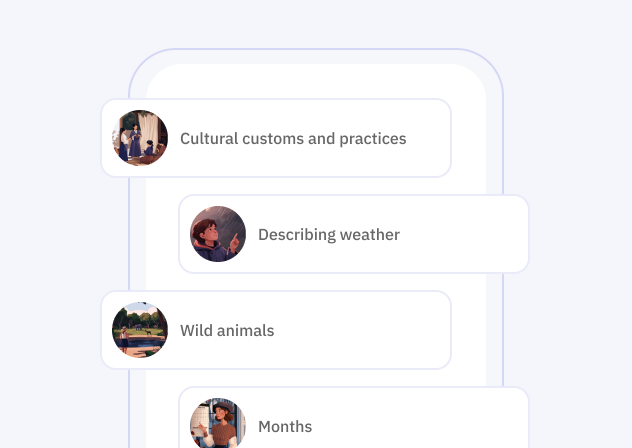
Chaque individu apprend d'une manière unique. Avec la technologie Talkpal , nous avons la possibilité d’examiner comment des millions de personnes apprennent simultanément et de concevoir les plateformes éducatives les plus efficaces, qui peuvent être personnalisées pour chaque étudiant.
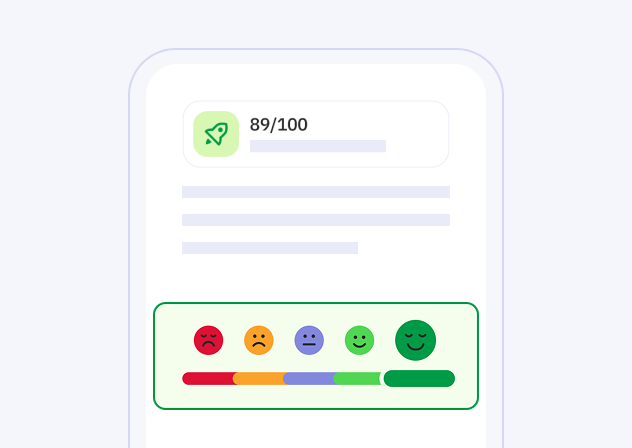
Recevez immédiatement des commentaires et des suggestions personnalisés pour accélérer votre maîtrise de la langue.
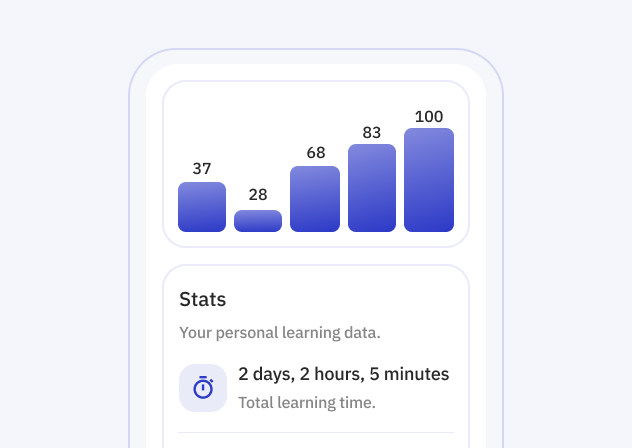
Apprenez avec des méthodes adaptées à votre style et à votre rythme, pour un apprentissage personnalisé et efficace de la langue.
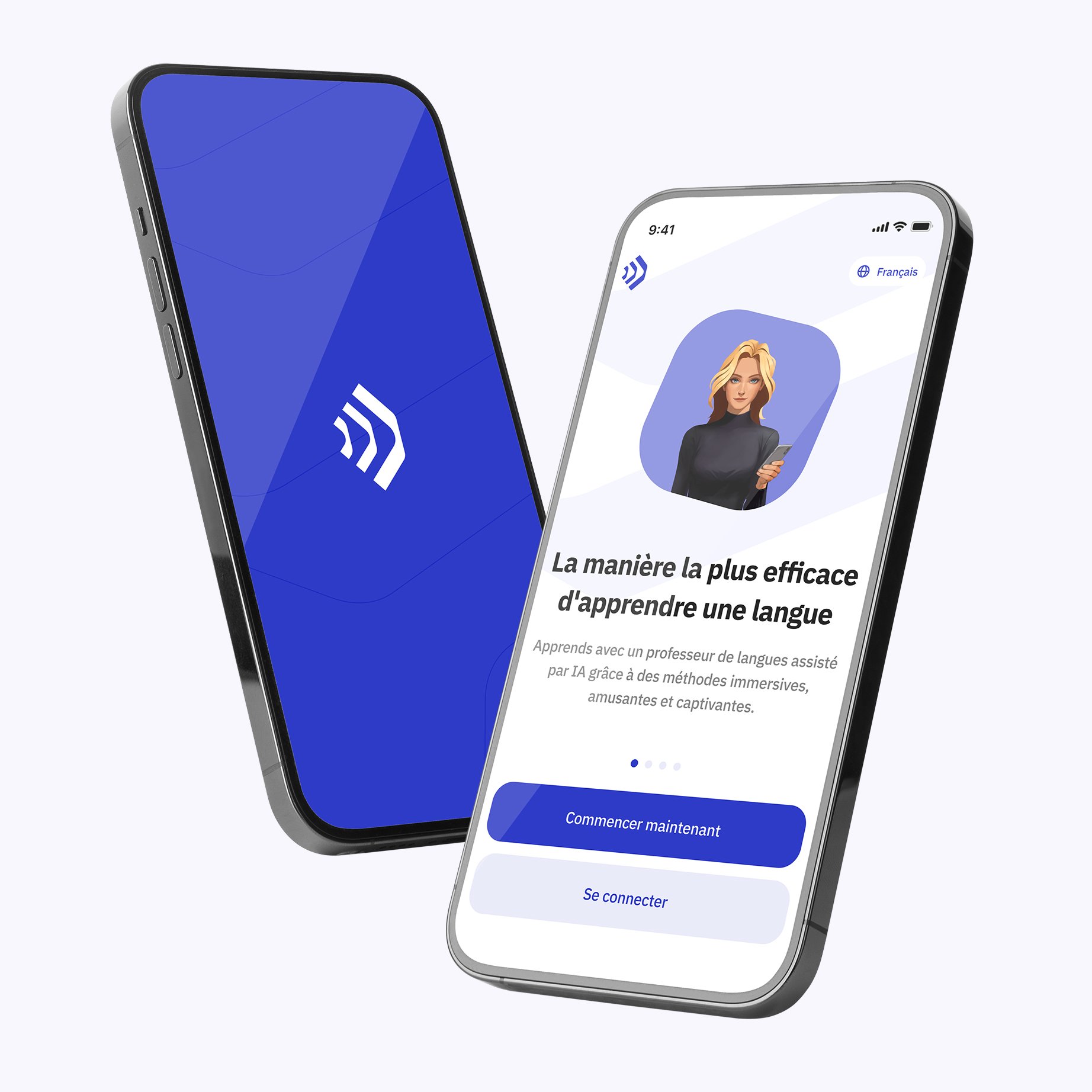
Talkpal est ton prof de langues boosté à l'IA, dispo sur le web et sur mobile. Améliore vite ton niveau, discute de sujets super intéressants à l'écrit ou à l'oral, et reçois des messages vocaux ultra-réalistes où et quand tu veux.


_icon.svg)
Talkpal, Inc., 2810 N Church St, PMB 54222, Wilmington, Delaware 19802, US

