


Talkpal trasforma l'IA nel tuo coach linguistico personale



Il verbo "guess" in inglese è un termine polisemico che assume diversi significati a seconda del contesto in cui viene utilizzato. Nella sua accezione principale, "guess" significa indovinare o fare un'ipotesi su qualcosa senza avere certezza o informazioni complete. È un verbo che implica una certa dose di intuizione o di supposizione, spesso utilizzato quando si tenta di risolvere un enigma, di rispondere a una domanda o di formulare una previsione. Il termine può anche essere usato in modo più colloquiale per esprimere un'opinione incerta o per suggerire una possibilità. È un verbo frequentemente utilizzato nella lingua parlata e scritta per indicare l'azione di giungere a una conclusione provvisoria basata su informazioni incomplete o su una semplice intuizione.
Can you guess what I am thinking right now?
She guessed the correct answer on her first try.
We are supposed to guess the number of candies in the jar.
He has always been good at guessing people's ages.
They guessed that the meeting would be postponed.
I guess we'll find out the results tomorrow.
The magician asked the audience to guess a card from the deck.
She guesses that it will rain later today.
Without any hints, it's hard to guess the password.
After several attempts, he finally guessed the right code.
I guess the answer.
You guess the answer.
He guesses the answer.
She guesses the answer.
It guesses the answer.
We guess the answer.
They guess the answer.
I guessed the answer.
You guessed the answer.
He guessed the answer.
She guessed the answer.
It guessed the answer.
We guessed the answer.
They guessed the answer.
I will guess the answer.
You will guess the answer.
He will guess the answer.
She will guess the answer.
It will guess the answer.
We will guess the answer.
They will guess the answer.
I am guessing the answer.
You are guessing the answer.
He is guessing the answer.
She is guessing the answer.
It is guessing the answer.
We are guessing the answer.
They are guessing the answer.
I was guessing the answer.
You were guessing the answer.
He was guessing the answer.
She was guessing the answer.
It was guessing the answer.
We were guessing the answer.
They were guessing the answer.
I will be guessing the answer.
You will be guessing the answer.
He will be guessing the answer.
She will be guessing the answer.
It will be guessing the answer.
We will be guessing the answer.
They will be guessing the answer.
I have guessed the answer.
You have guessed the answer.
He has guessed the answer.
She has guessed the answer.
It has guessed the answer.
We have guessed the answer.
They have guessed the answer.
I had guessed the answer.
You had guessed the answer.
He had guessed the answer.
She had guessed the answer.
It had guessed the answer.
We had guessed the answer.
They had guessed the answer.
I will have guessed the answer.
You will have guessed the answer.
He will have guessed the answer.
She will have guessed the answer.
It will have guessed the answer.
We will have guessed the answer.
They will have guessed the answer.
Il modo più efficace per imparare una lingua
Prova Talkpal gratis l'intelligenza artificiale più avanzata
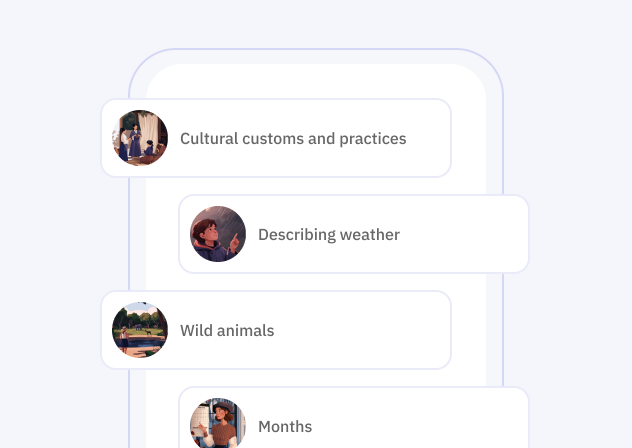
Ogni individuo apprende in modo unico. Con la tecnologia Talkpal , abbiamo la possibilità di esaminare come milioni di persone imparano contemporaneamente e progettare le piattaforme educative più efficienti, che possono essere personalizzate per ogni studente.
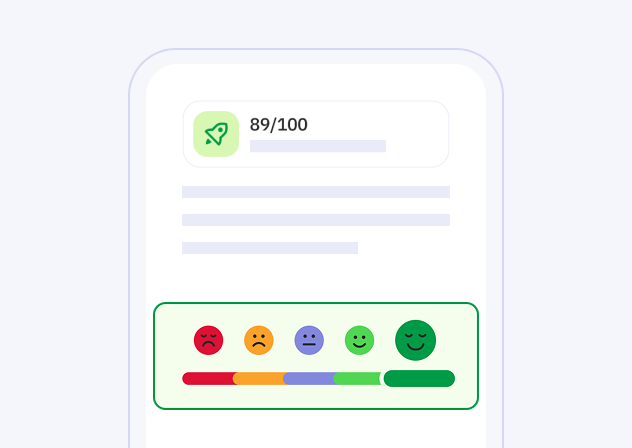
Ricevi un feedback immediato e personalizzato e suggerimenti per accelerare la tua padronanza della lingua.
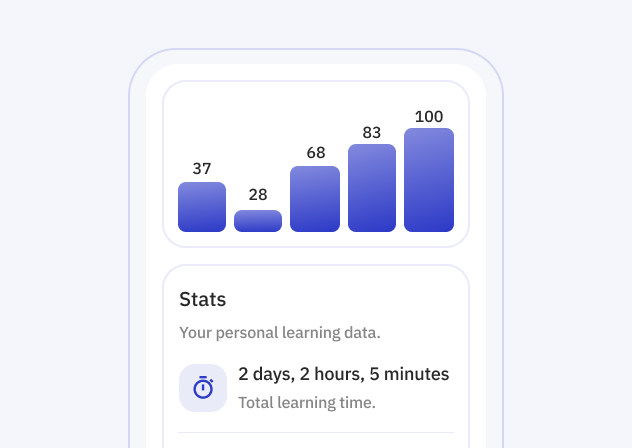
Impara con metodi personalizzati in base al tuo stile e al tuo ritmo, assicurandoti un percorso personalizzato ed efficace verso la fluidità.
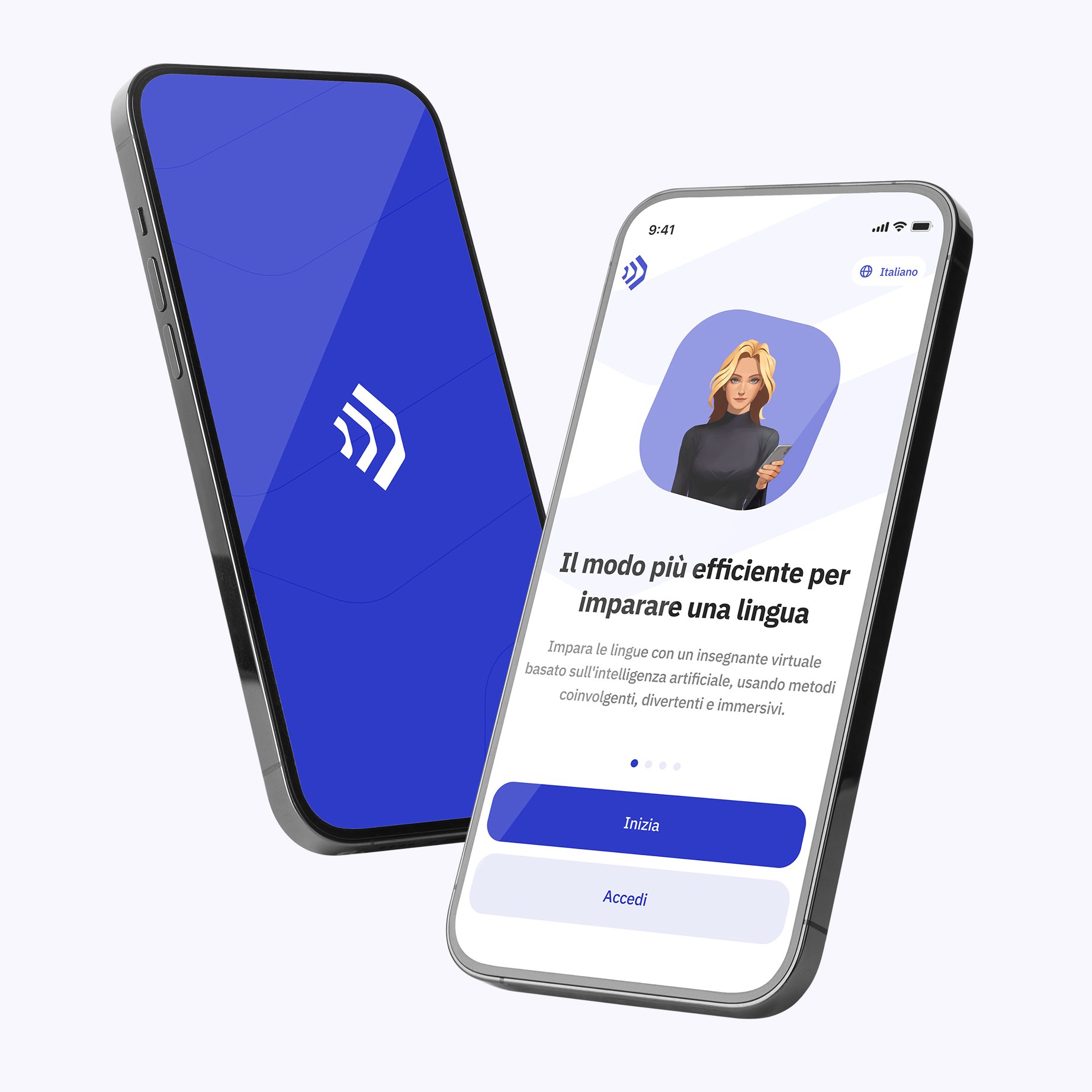
Talkpal è il tuo tutor di lingue basato sull'IA, disponibile su web e mobile. Migliora la tua fluidità in un attimo, chiacchiera di argomenti interessanti scrivendo o parlando, e ricevi messaggi vocali super realistici dove e quando ti pare.


_icon.svg)
Talkpal, Inc., 2810 N Church St, Wilmington, Delaware 19802, US
© 2026 Tutti i diritti riservati.

